

The D41 1126 standard, developed by the PSA Peugeot Citroen group, the second largest automobile manufacturer in Europe, defines a test method for determining the tear strength of plastic coated textile materials, plastic sheets, carpets and leathers used in the automotive industry.
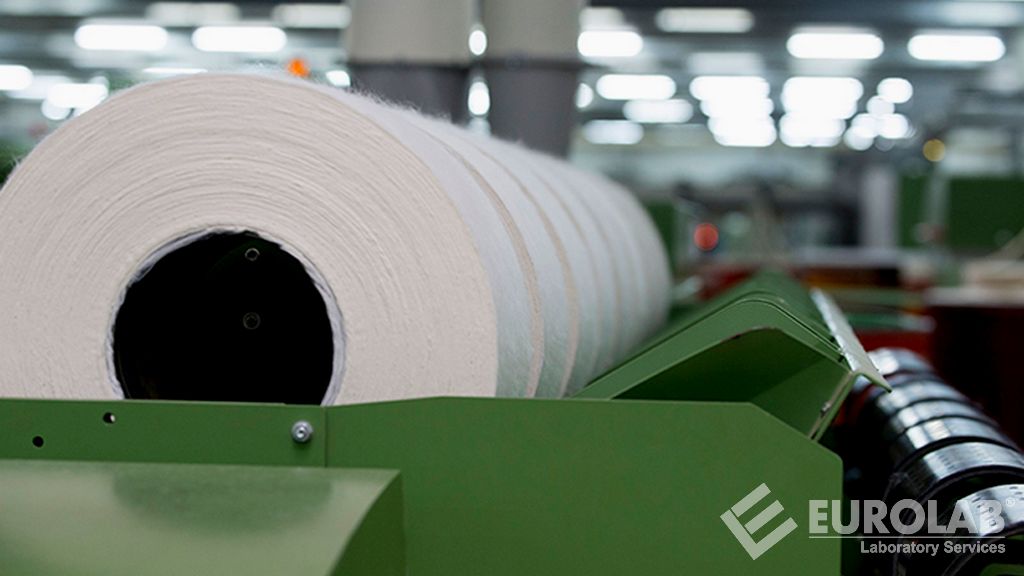
Plastic coated textile products are generally fabrics coated with PVC (polyvinyl chloride) or fabrics made of polyester. Plastic coated textile products are widely used in the automotive industry. Generally, such fabrics are produced by coating liquid PVC on both sides of the thin fabric.
In most cases, the plasticizers in the PVC are sealed, applying a topcoat that provides better resistance to dirt. In this way, migration of plasticizers to the surface and making the material sticky is prevented. Some topcoats provide additional ultraviolet (UV) resistance that extends the life of the material, while others provide a dirt-repellent surface. Plastic-coated textiles tend to be durable for a long time.
While applying in the D41 1126 standard, the samples are subjected to the conditioning procedure in two ways:
In addition to the results obtained, the test report should include:
Our organization, among the numerous test, measurement, analysis and evaluation studies it has given for businesses in various sectors, with its trained and expert staff and advanced technological equipment, aims to determine the tear strength of plastic sheets, carpets and leathers, which are used as automobile upholstery and coatings, within the scope of the D41 1126 standard. It also provides testing services for
To get an appointment, to get more detailed information or to request an evaluation, you can ask us to fill in our form and reach you.

