

The ISO 12945-1 standard, developed by the International Standards Organization (ISO), describes a test method for determining the resistance of textile fabrics to pilling, pilling and felting using a rotary pilling box apparatus.
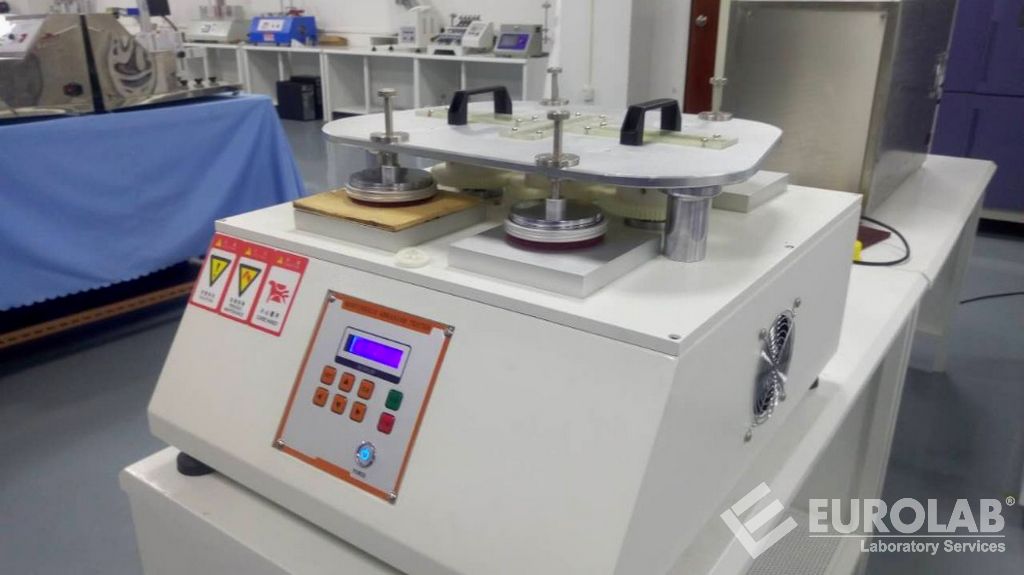
Pitting or pilling occurs when the fibers on the fabric surface become entangled during wear. Such surface deterioration is generally undesirable. However, the degree of consumer tolerance for a given pilling level depends on the type of garment and the end use of the fabric.
Generally, the level of pilling developed is determined by the rates of the following parallel processes:
The rates of these processes depend on the fiber, yarn, and fabric properties. Fabrics containing strong fibers react more strongly than fabrics containing weak fibers. One consequence of strong fibers is a pilling rate that exceeds the abrasion rate. This leads to increased pilling as abrasion increases. With a weak fiber, the pilling rate competes with the abrasion rate. This causes a pilling fluctuation as abrasion increases. There are also other fabric structures where surface fiber abrasion occurs before pilling. This complicates the assessment of surface changes on different fabric types.
Tests carried out in advanced laboratories accelerate the three types of wear processes listed above by exactly the same factor and are universally valid for all fiber, yarn and fabric types.
For the purposes of this standard,
Our organization, among the numerous test, measurement, analysis and evaluation studies it has given for businesses in various sectors, with its trained and expert staff and advanced technological equipment, within the scope of ISO 12945-1 standard, for the determination of the tendency of pilling, fuzzing or felting on the surface of the fabric: pilling box test also provides services.
To get an appointment, to get more detailed information or to request an evaluation, you can ask us to fill in our form and reach you.

