

ISO 5085-1 Textiles - Determination of Heat Resistance - Part 1: Low Heat Resistance
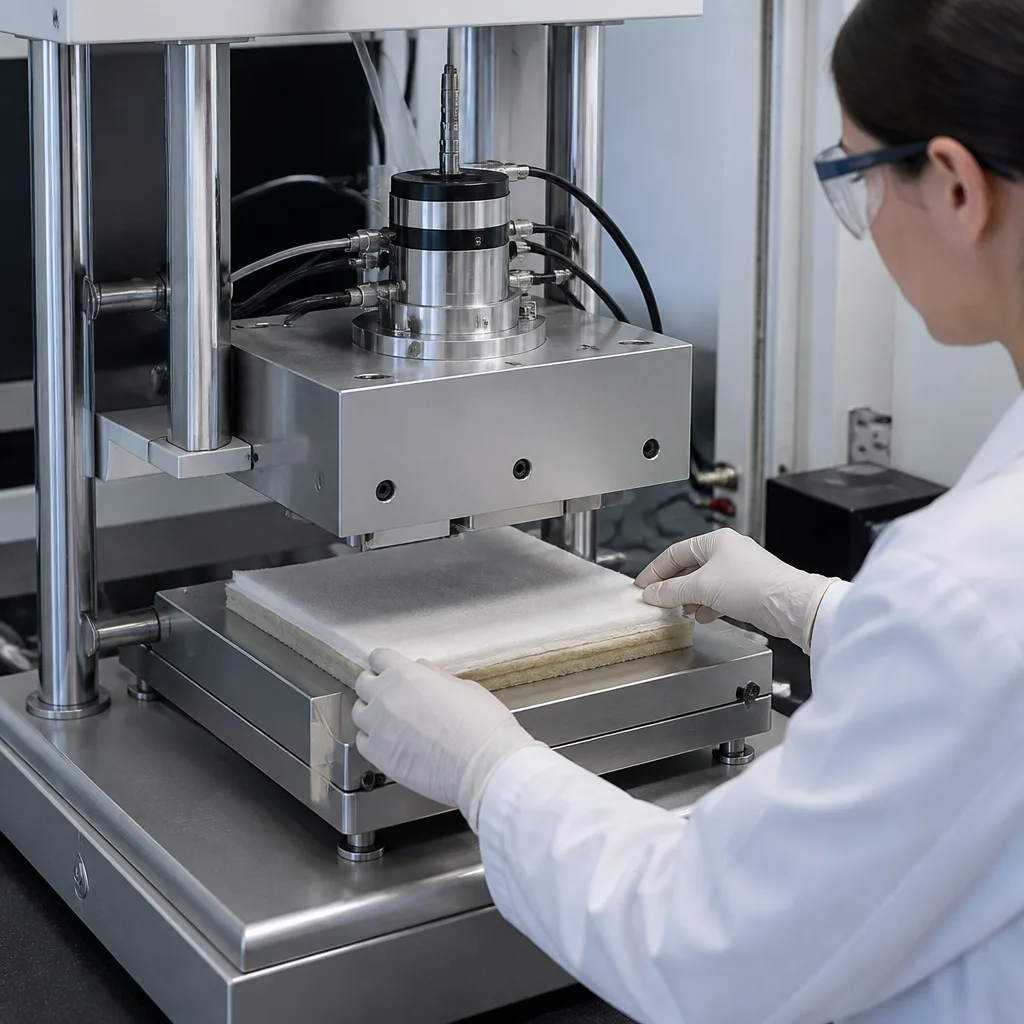
The ISO 5085-1 Textiles - Determination of thermal resistance - Part 1: Low thermal resistance standard, published by the International Organization for Standardization (ISO), describes a method for determining the resistance of fabrics, fabric groups, or sheet fiber aggregates to thermal conduction under steady-state conditions. This method is applicable to materials with a thermal resistance of approximately 0,2 m² · K/W. The method is suitable for materials up to 20 mm thick (beyond this thickness, edge losses become significant). Recommendations on suitable components for the construction of the device, methods for determining thermal conductivity, and numerical values for certain textile materials are included in the annexes to this standard (Annex A, Annex B, and Annex C).
For the purposes of this standard, the following definitions apply.
Since textiles are heterogeneous systems composed of fibers and air, the term thermal conductivity does not carry its usual precise meaning, as heat can be transferred through a textile not only by conduction but also by radiation and possibly convection. The heat transfer rate included in the definition therefore refers to the total transfer occurring through conduction and radiation (and convection where applicable).
ISO 5085-1 is an international testing standard that includes a laboratory method for measuring the heat resistance of textile materials with relatively low insulation values. This standard is widely used to evaluate how effectively fabrics resist heat transfer under steady-state conditions.
Thermal resistance is one of the most important comfort properties of textiles. It affects how warm or cold a fabric feels and directly impacts the performance of clothing, bedding, upholstery, and many technical textiles.
The purpose of the ISO 5085-1 standard is to provide a standardized procedure for determining the heat resistance of the following materials:
The described test method allows manufacturers and laboratories to compare the insulation performance of different textile materials using consistent and repeatable methods. This method is applicable to materials with heat resistance values up to approximately 0,2 m² · K/W and is suitable for samples up to approximately 20 mm thick. Beyond this thickness, edge heat losses become significant.
In principle, the ISO 5085-1 standard measures heat resistance under steady-state heat transfer conditions. When applying the test,
The higher the heat resistance, the better the insulation the material provides against heat transfer.
The tests primarily utilize the following specialized laboratory equipment:
Annex A of this standard provides guidance on the construction of suitable devices, while Annex B describes methods for determining thermal conductivity.
The ISO 5085 standard applies to the following:
Before testing, samples are conditioned under standard atmospheric conditions for textile testing to ensure consistent moisture content and temperature. Generally, the test procedure follows these steps:
Thermal resistance is expressed in m² · K/W (Kelvin/Watt per square meter). This value represents the material's resistance to conductive heat flow.
The ISO 5085-1 standard is widely used in the following areas:
The materials typically tested include:
Several factors affect thermal resistance, including:
Materials containing more trapped air generally have higher heat resistance.
The ISO 5085-1 standard is commonly used by the following sectors:
The ISO 5085-1 standard is generally used in conjunction with other textile performance standards, primarily the following:
In conclusion, the ISO 5085-1 standard is important because it provides a consistent and internationally accepted method for evaluating the thermal insulation performance of textile materials. Manufacturers can objectively compare fabrics by measuring heat resistance under controlled laboratory conditions, optimize products in terms of thermal comfort, and verify that materials meet performance requirements. This standard supports quality control, product development, regulatory compliance, and customer confidence in applications ranging from everyday wear and home textiles to automotive and technical textiles.
For many years, our organization, with its competent and experienced staff, has been understanding the needs of its clients, providing the advanced testing services they require, and assisting them in the establishment, implementation, and improvement of management systems. Within this framework, we also provide testing services compliant with the ISO 5085-1 standard.
To get an appointment, to get more detailed information or to request an evaluation, you can ask us to fill in our form and reach you.

