

The German Standards Institute (DIN) standard “DIN 54231 Textiles - Determination of Dyes after Methanol Extraction” describes a test method for detecting and determining the dye content in methanol extracts. This test method is applicable to all types of textile products made from naturally or synthetically dyed fibers, such as fibers of animal origin, cellulose fibers, polyesters, polyamides, acetates, triacetates, polyacrylics, viscose, and other dyeable fibers. This method is applicable to blended fabrics containing elastane and elastodiene fibers, but not to these fibers. This is a conventional method; modified extraction conditions may lead to different results.
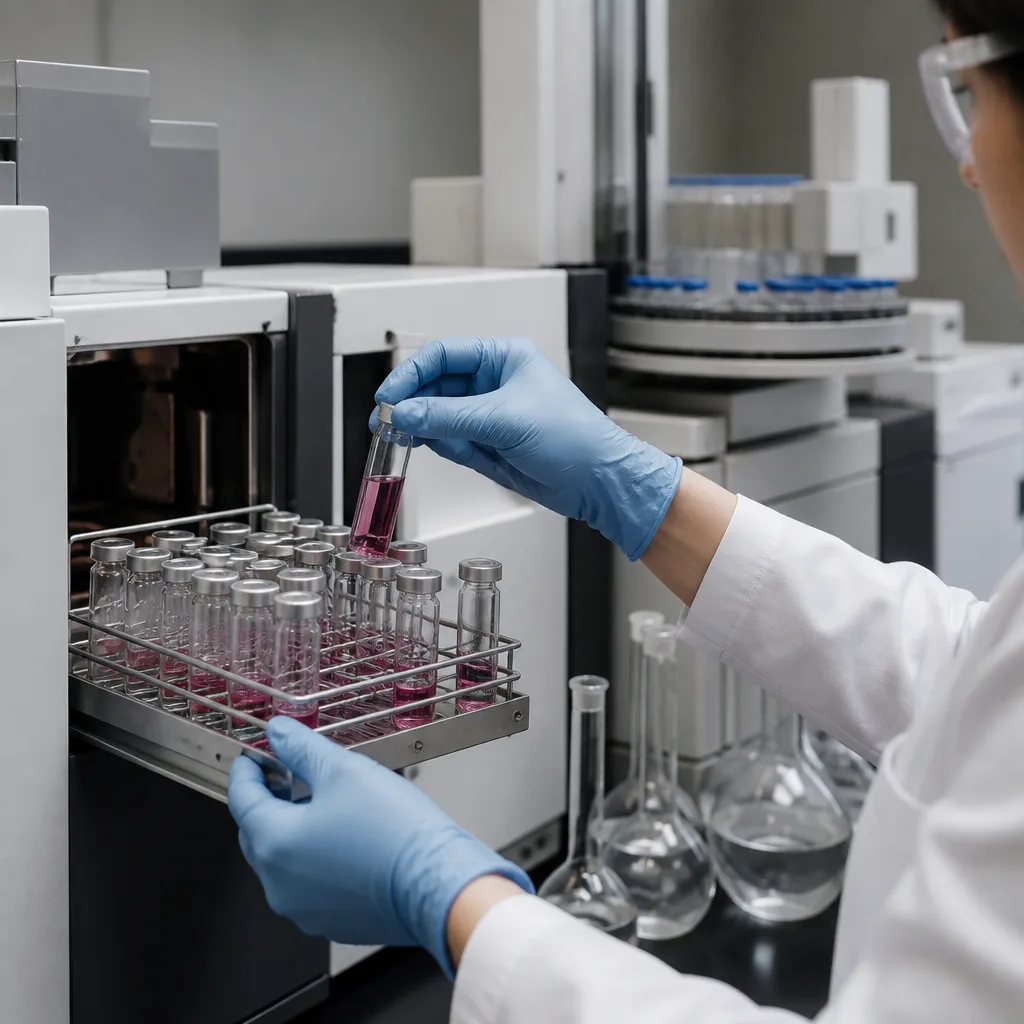
The DIN 54231 standard provides a reliable analytical procedure for determining and measuring the content of dyes (especially disperse dyes) that can migrate from dyed textiles. These dyes, commonly used in synthetic fibers such as polyester, acetate, and nylon, are a concern because some can cause allergic reactions or other health problems upon skin contact.
This standard is widely referenced in the clothing and textile industry for compliance testing to ensure consumer safety, including lists of restricted substances.
This latest update to the standard expands the method beyond just disperse dyes to cover a wider range of dyes in methanol extracts derived from various textile materials.
The basic principles of the described method are as follows:
This method specifies performance criteria, including detection limits (e.g., approximately 0,7 mg/L for specific dyes such as Disperse Blue 1 in the basic procedure), and provides appendices on chromatographic conditions, dye characterization, and method reliability.
This standard reflects ongoing efforts in the textile industry to balance vibrant colors with health and environmental safety through standardized, repeatable testing.
In short, DIN 54231 is an industry standard that includes test methods for the quantitative analysis of textile fiber blends. This standard is primarily used to determine the percentage composition of different fibers in a textile product using chemical or physical separation methods.
Modern textiles are rarely made from a single type of fiber. Fabrics usually combine fibers such as:
Fiber blending improves comfort, durability, flexibility, wrinkle resistance, and cost-effectiveness. However, manufacturers, importers, and regulators need accurate methods to verify that the declared fiber composition matches the actual product. The DIN 54231 standard provides a structured laboratory procedure for determining these fiber percentages with reliable repeatability.
DIN 54231 generally covers the following:
This standard is applicable to:
The basic principle of the DIN 54231 standard is selective chemical dissolution. A reagent is selected that dissolves one type of fiber while leaving another unaffected. For example,
The process typically involves the following:
This allows laboratories to calculate how much of each fiber was initially present.
The DIN 54231 standard is necessary because it affects textile composition:
Accurate composition analysis helps predict product performance.
The DIN 54231 standard is widely used in the following areas:
In conclusion, the DIN 54231 standard is a crucial textile analytical standard for determining the quantitative composition of blended fibers. By providing reliable laboratory methods for fiber separation and percentage calculation, it supports quality assurance, legal compliance, fair trade, and consumer confidence in textile products. In an industry where fiber blends are becoming increasingly common, this standard helps ensure that what is stated on the label truly reflects the fabric's composition.
For many years, our organization, with its competent and experienced staff, has been understanding the needs of its clients, providing the advanced testing services they require, and assisting them in the establishment, implementation, and improvement of management systems. Within this framework, we also provide testing services in accordance with the DIN 54231 standard.
To get an appointment, to get more detailed information or to request an evaluation, you can ask us to fill in our form and reach you.

