

Azo dyes are the largest group of synthetic dyes with their aromatic ring structures. Azo dyes are the most important class of dyes, accounting for more than half of the world's annual production. The toxicity of azo dyes was recognized in 1895. At that time, an increase in bladder cancer was observed in dye manufacturing workers, and many studies have been conducted to date showing the toxic potential of azo dyes. The carcinogen may be the dye itself or a metabolite of the dye. Water-insoluble but solvent-soluble dyes, such as solvent dyes and disperse dyes, are normally carcinogenic.
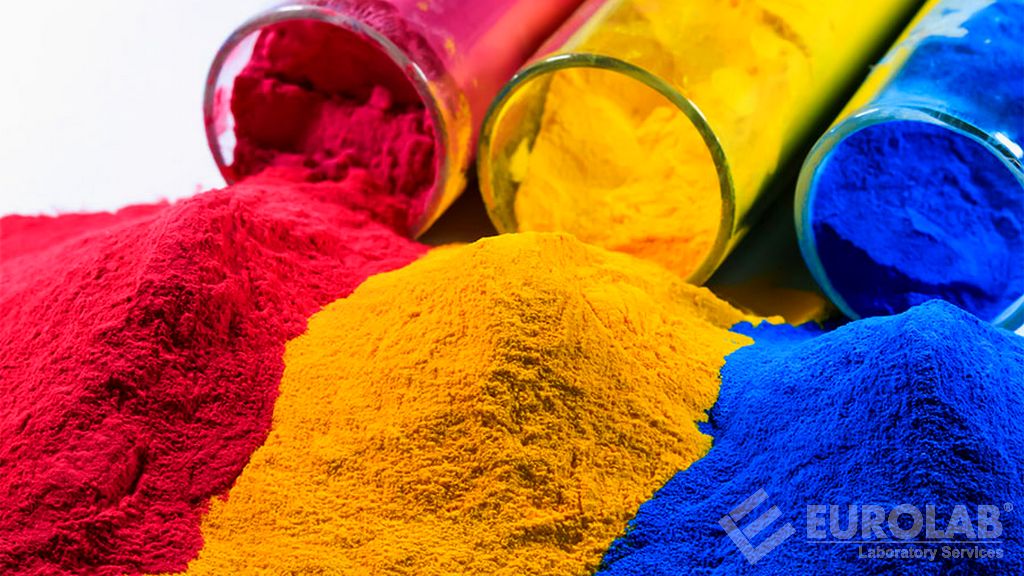
Briefly, azo dyes is a general concept that refers to a group of synthetic dyes consisting of a chemical azo group. It is mainly produced in developing countries such as China, India, Korea and Argentina. Azo compounds are widely used in dyeing all kinds of natural, artificial and synthetic fibers for coloring. It has a wide usage area from textile products to plastic products, from cosmetics to foods. Studies have shown that azo dyes are used in approximately 70% of all organic commercial dyes. Azo dyes are widely used as they can dye fabric at a lower temperature than dyes that do not contain azo. They also offer a wide range of colors that do not bleed easily in the wash and allow for brighter garments.
In the test, analysis, measurement and evaluation studies carried out in our organization, national and international standards and applicable legal regulations are complied with and reliable and impartial results are obtained. Among the numerous tests carried out in this context, there are also azo dyestuff determination services.
To get an appointment, to get more detailed information or to request an evaluation, you can ask us to fill in our form and reach you.

