TS 2720 Nylon Girth (Woven)
The "TS 2720 Nylon girth (weaving)" standard published by the Turkish Standards Institute (TSE) describes the requirements for weavings produced from nylon fibers.
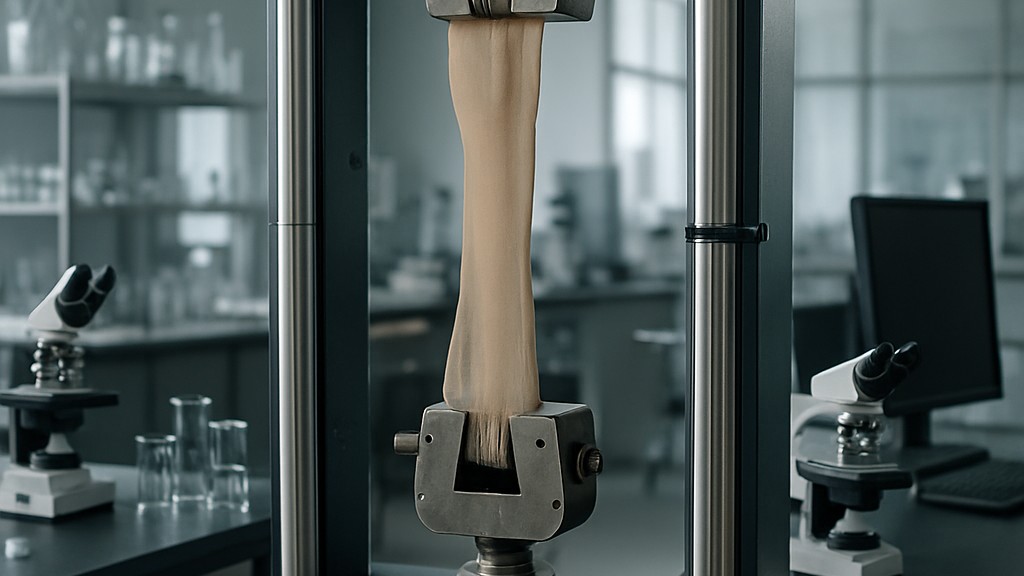
Nylon webbing is a flat, strong, woven strip of nylon fibers. Known for its exceptional strength, flexibility, and abrasion resistance, nylon webbing is used in a wide variety of industries, including military, outdoor equipment, automotive, sports equipment, and seat belts.
The main properties of nylon fabric are:
- High tensile strength: Nylon webbing can support heavy loads, making it ideal for load-bearing applications.
- Durability: Resists wear, tear, and UV rays better than many other materials.
- Stretching under load: Nylon stretches slightly under load, which can be useful for shock absorption (e.g. in climbing harnesses or towing straps).
- Moisture absorption: Nylon absorbs water (up to about 10 percent of its weight), which can affect its durability and drying time in wet environments.
- Temperature resistance: Performs well over a wide temperature range, but excessive heat (above about 200 degrees) may degrade its quality.
Generally, nylon girth types are as follows:
- Plain weave: A smooth, uniform surface, often used for belts, straps, and harnesses.
- Tubular webbing: A hollow, double-layered webbing, stronger and more flexible, often used in climbing and rescue operations.
- Jacquard weave: Woven with text or logos, popular in fashion and branding.
Common applications include:
- Outdoor gear: Backpacks, tents, sleeping bags and hammocks.
- Military and tactical equipment: Modular Lightweight load carrying equipment systems, slings and utility belts.
- Climbing and safety equipment: Harnesses, anchors and safety ropes.
- Pet accessories: Collars, leashes and harnesses.
- Automotive and industrial use: Lashing straps, tow ropes and seat belt materials.
Nylon webbing is the best choice for its durability, flexibility, and strength. Whether securing equipment, making seat belts, or adding functional design elements, nylon webbing is a proven and reliable material that adapts well to a wide variety of uses.
The TS 2720 standard defines the technical requirements and performance criteria for nylon fabrics used in various industries, particularly security, military, automotive, and outdoor applications. This standard ensures consistency, safety, and quality in nylon fabric products manufactured or used in Türkiye.
According to this standard, nylon webbing is a strong and durable woven fabric strip made from nylon fibers. It is known for its high tensile strength, abrasion resistance, flexibility and elasticity, and resistance to mold, rot, and some chemicals. It is widely used in seat belts, safety harnesses, luggage straps, military equipment, backpacks, and industrial slings.
According to the TS 2720 standard, the material properties are as follows:
- Polyamide 6 or polyamide 6.6 (nylon) yarns are used
- Minimum fiber quality, typically requiring virgin (non-recycled) nylon for strength
- Resists UV and moisture degradation.
The physical properties of the material are as follows:
- Tensile strength: This standard defines the minimum breaking strength per width
- Elongation: The material must meet certain limits under various loads.
- Thickness and width: Tolerances are specified according to the intended application (e.g. 25 mm, 38 mm or 50 mm webbing)
The performance criteria of the material are as follows:
- Wear resistance: Resistance under cyclic wear conditions.
- Colour fastness: For dyed fabrics, resistance to fading against UV rays and washing.
- Heat resistance: Performance at high temperatures.
- Dimensional stability: Limits of shrinkage or expansion under heat and humidity
The following test methods are described in the TS 2720 standard:
- Tensile testing (ISO or EN based procedures)
- Pre-test environmental conditioning
- Visual and mechanical inspection criteria
Compliance with this standard is critical in industries where strength and durability are important:
- Defense and military: Tactical gear, parachute harnesses, equipment straps
- Automotive: Seat belts, cargo restraint systems
- Outdoor and mountaineering: Climbing harnesses, backpacks, safety equipment
- Industrial safety: Fall protection ropes, lifting slings, lashing straps
The TS 2720 standard is considered important for the following reasons:
- Ensures safety and reliability: Nylon webbing is frequently used in critical applications such as safety belts, harnesses, lifting slings, and military equipment, where failure can cause serious injury or even death. This standard specifies minimum strength, durability, and performance requirements to ensure the webbing can reliably withstand the stresses it will encounter.
- Maintains consistent quality: Without a standard, manufacturers can produce a wide variety of fabric qualities. This standard establishes uniform technical specifications to ensure consistent physical and mechanical properties of products. This reduces the risk of substandard materials entering the market.
- Supports regulatory compliance: For companies operating in or exporting to Turkish markets, compliance with the TS 2720 standard is often required or strongly recommended by regulators. Compliance with this standard helps products pass inspections and obtain the necessary certifications for legal use in safety-critical environments.
- Protects end users and workers: By defining tests and limits for tensile strength, abrasion resistance, and environmental durability, the standard protects people who use nylon straps at work or in recreational activities and minimizes accidents due to material failures.
- Promotes industry confidence and market access: Manufacturers and suppliers who demonstrate compliance with this standard earn the trust of customers, authorities, and business partners. This helps them compete effectively and gain access to markets where safety standards are rigorously enforced.
- Encourages innovation: Having a clear standard allows companies to innovate in materials and manufacturing processes while ensuring all their products meet safety and performance baselines.
Consequently, the TS 2720 standard is vital because it ensures that nylon straps are safe, reliable, and fit for purpose, especially in demanding and critical applications. This standard plays a vital role in regulating the quality and safety of nylon straps used across various industries in Türkiye. Whether for climbing equipment, vehicle seat belts, or military equipment, adhering to this standard ensures that nylon straps meet stringent requirements for durability, strength, and safety.
Our organization, which has been supporting businesses across all sectors for years through a wide range of testing, measurement, analysis, and evaluation activities, has a strong team of employees who closely follow global developments in science and technology and are constantly improving themselves. In this context, we also provide testing services to businesses in accordance with the TS 2720 Nylon Belt (Webbing) standard.



