

Most glass fibers are 50-60 percent silica-based and contain a number of other oxides of calcium, boron, sodium, aluminum, iron, and similar. They are often used for reinforcing thermoset and thermoplastic polymers. In other words, glass fiber is based on a combination of natural minerals and man-made compounds. The three main components are silica sand, sodium carbonate and limestone. Other components may be borax, magnesite and calcined alumina.
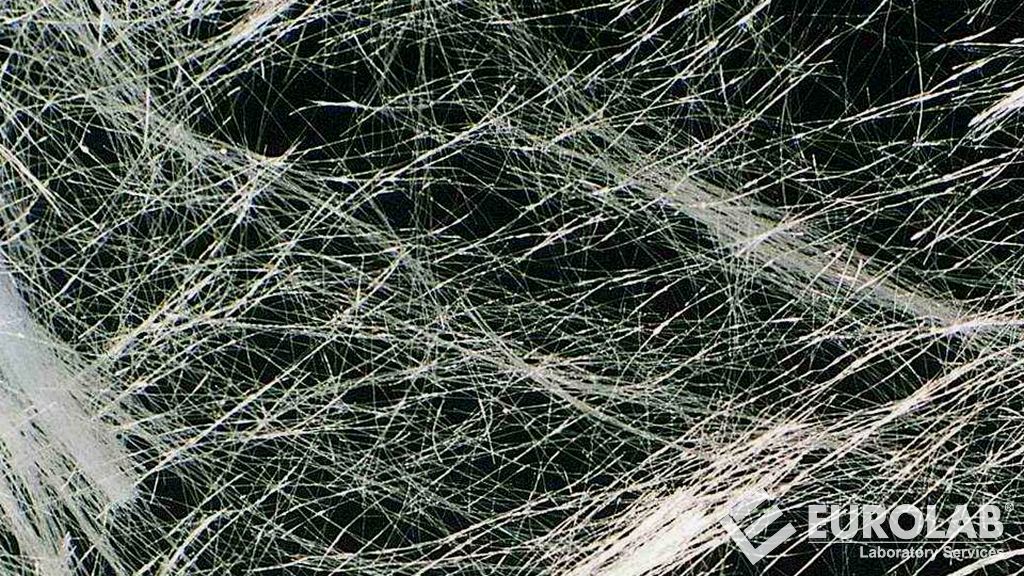
Textile fabrics produced from Cem fiber do not rot, mold or deteriorate. Resists most acids except hydrofluoric acid and phosphoric acid. These fabrics do not stretch or shrink. The nominal elongation break is 3-4 percent. It has a low coefficient of thermal expansion and relatively high thermal conductivity. Glass fabrics dissipate heat faster than asbestos or organic fibres. Cem fiber yarn has a high strength-to-weight ratio. This thread is twice as strong as steel wire. Glass fiber is non-flammable and basically unaffected by the curing temperatures used in industrial processes. Glass fiber retains about 370 percent of its strength at a temperature of 50 degrees and 540 percent at a temperature of 25 degrees. Glass fiber yarn has extremely low moisture absorption. Their high dielectric strength and relatively low dielectric constants make such fabrics outstanding for electrical insulating purposes. In addition, such fabrics offer a cost advantage over other synthetic and natural fiber fabrics. With these properties, glass fiber finds wide use in various industries.
It has been observed that in glass fiber yarns and fabrics, the tensile strength increases proportionally with increasing glass fiber content, while the elongation at break decreases continuously, inversely to the tensile strength. This is because the stiffness of the composite increases with increasing glass fiber content, and conversely, the deformation ability of the composite decreases with increased strength.
Similarly, the hardness values of composite materials increase with the increase of glass fiber ratio. Again, as the glass fiber ratio in the composite material increases, the flexural strength also increases.
Our organization also provides glass fiber ratio testing services with its trained and expert staff and advanced technological equipment, among the numerous test, measurement, analysis and evaluation studies it provides for businesses in various sectors.
To get an appointment, to get more detailed information or to request an evaluation, you can ask us to fill in our form and reach you.

