

This standard, published by the Turkish Standards Institute (TSE), includes the description of the operating room fabric, its properties, sampling, inspection and tests, and the way it is placed on the market.
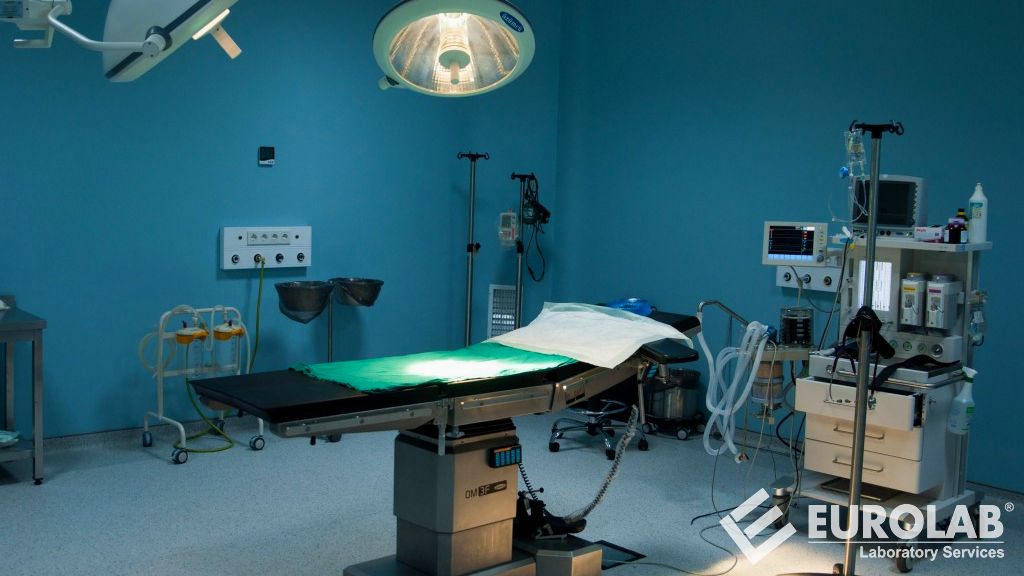
Surgical drapes are used in the operating room to protect the patient, staff and equipment. Curtains can be made of fabric or paper and can be reusable or disposable. Important properties include barrier protection effectiveness, ignition resistance and durability. Surgical drapes are used to provide a physical barrier that protects the surgical field from contamination. These drapes are the wall consisting of curtains installed to create a barrier between the anesthesia work area on the patient's head and the surgical area. Such drapes are also placed in the surgical area around the surgery area to cover the patient and collect the discharges. These drapes are also used to wrap sterile surgical instruments and to cover equipment in the surgical field.
Briefly, surgical drapes are used to prevent contamination of the material and to provide a sterile field in the surgical site. There are generally three types of cover materials: reusable fabric covers, disposable paper covers, and disposable plastic adhesive covers. The use of disposable drapes allows the surgeon to cut an opening in the drape to any size or shape. There is an opening in a fabric cover that cannot be replaced.
Synthetic fibers such as polypropylene and polyester are widely used in making surgical drapes and gowns, as well as viscose. Antimicrobial non-woven fabrics are prepared by direct addition of cetyl trimethyl ammonium bromide, a quaternary ammonium salt, onto polyester and polypropylene and viscose non-woven fabrics. Bacterial growth on polyester and polypropylene fabrics is clearly inhibited and reduced perfectly. The antimicrobial activity of cetyl trimethyl ammonium bromide is not bacteriostatic but bactericidal in nature.
The materials used to manufacture surgical fabrics are characterized by high barrier properties that protect surgeons and patients against microbes. However, medical clothing made of these materials should not cause thermal stress.
Our organization also provides testing services for operating room fabrics within the scope of TSE K 406 standard, with its trained and expert staff and advanced technological equipment, among the numerous test, measurement, analysis and evaluation studies it provides for businesses in various sectors.
To get an appointment, to get more detailed information or to request an evaluation, you can ask us to fill in our form and reach you.

