SES N 3246 Carpet and Mat Quality Assessment
Developed by Suzuki Motor Corporation as part of its interior materials/textile standards, the “SES N 3246 Carpet and Mat Quality Assessment” standard is an automotive materials standard that defines the assessment and quality requirements for carpet and mat materials used in vehicle interiors. This standard guarantees that automotive carpets and mats meet the following criteria:
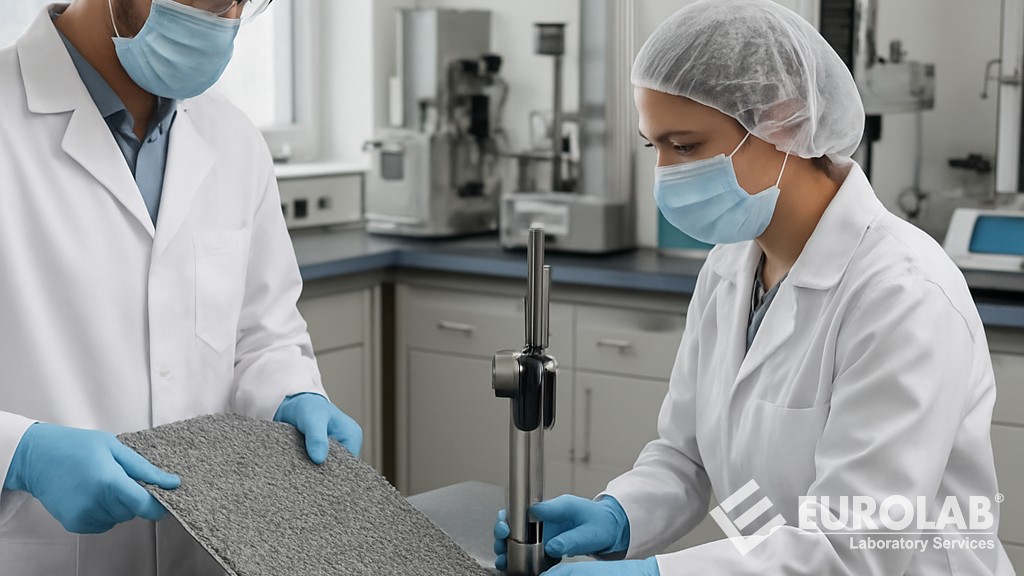
- To meet performance, durability and safety requirements.
- To maintain the appearance and functionality of the vehicle throughout its lifespan.
- Ensuring consistent quality among suppliers.
In short, it guarantees that interior floor coverings are reliable, safe, and long-lasting.
In the automotive industry, carpets and mats refer to interior components used for floor covering, protection, comfort, and aesthetics. Their use goes far beyond simple decoration; they are engineered parts integrated into the vehicle design and certified by standards such as SES N 3246.
The use of carpets and floor mats in the automotive industry is as follows:
- Interior floor covering (carpet): Automotive carpets are laid as a fixed layer in the following areas:
- Passenger cabin floor
- Luggage / luggage compartment
- Underarm areas
Its main functions are as follows:
- Noise reduction (NVH, noise, vibration, harshness)
- Thermal insulation
- Improving the interior appearance
- Protection of the vehicle body (metal floor)
Molded carpets are shaped to perfectly match the vehicle floor geometry.
- Removable protection (mats): Mats are removable components that are placed on top of carpets. Their main functions are as follows:
- It protects the carpet from dirt, mud, water, and wear.
- Easy cleaning and replacement.
- Enhances safety (non-slip base, fixing clips)
The driver's side floor mats are reinforced to withstand heel wear.
Engineers select materials based on the following criteria:
- Durability (resistance to abrasion and tearing)
- Fiber retention (no shedding)
- Resistance to moisture and chemicals.
- Comfort (softness, texture)
Common materials include:
- Polypropylene (PP)
- Nylon (PA)
- Rubber (for all-weather mats)
Carpet and mat materials must comply with the SES N 3246 standard, as well as the “Flammability of interior materials” standard (SES N 3245), equivalent international standards, and original equipment manufacturers' specific standards.
The SES N 3246 standard has the following application areas:
- Supplier approval
- Product verification
- Quality control in production
Proper design ensures the following:
- The mats are non-slip and do not interfere with the pedals.
- The materials will not tear or deform during use.
- There will be no fiber emissions that could affect cabin air quality.
In terms of production and integration, carpets and mats,
- It is cut, molded, or shaped.
- It is combined with support layers (foam, rubber).
- It is installed during vehicle assembly.
The SES N 3246 standard primarily includes various mechanical and physical performance tests, such as those listed below:
- Mechanical strength:
- Tear resistance (foot tear test)
- Break strength (layer bonding test)
These tests ensure that the materials do not degrade under stress or repeated use.
- Pile and loop attachment:
- Pile pull force (pile pull test)
This test checks how firmly the fibers adhere to the carpet structure.
- Structural integrity:
- Resistance to delamination and material fracture.
- Stability of support layers
- Durability performance: Typically aligned with automotive expectations:
- Abrasion resistance (wear and tear from shoes)
- Resistance to deformation (foot pressure, pedals)
Suppliers must test carpet and mat materials according to the SES N 3246 standard prior to the following:
- Before approval for vehicle programs
- Before mass production begins
Original equipment manufacturers use this standard for quality control purposes as follows:
- Comparing different suppliers
- Ensuring consistent quality in production batches.
Engineers use the results in the design verification process for the following purposes:
- Selecting appropriate materials for floor areas (driver, passenger, luggage).
- Ensuring that the mats withstand real-life usage conditions.
The SES N 3246 standard is critical in the automotive industry because it ensures that carpets and mats meet specific quality, durability, and safety criteria. The main reasons this standard is considered important are as follows:
- Safety (the most critical reason): The driver's side mats must not slip or get caught on the pedals. The material must not tear or deform. Otherwise, the brake or gas pedal may get stuck, leading to serious accidents.
- Durability and longevity: Car carpets and mats are constantly exposed to foot pressure, friction and wear, as well as dirt, water and chemicals. Thanks to this standard, the material does not wear out prematurely, the fibers do not shed and the layers do not separate (no delamination).
- Quality and customer satisfaction: Adherence to this standard preserves the interior appearance of the vehicle, prevents deterioration of the carpet, loss or deformation of the plush texture, and maintains the premium feel. The vehicle looks like new for longer.
- Standardization and supplier control: All suppliers are evaluated according to the same tests. This ensures quality consistency for the original equipment manufacturer. This allows parts from different manufacturers to perform identically.
- Engineering and the right material selection: Thanks to these tests,
- Which material is more durable is determined.
- The correct materials are selected for different areas inside the vehicle (driver, passenger, luggage).
This standard is often mandatory for the original equipment manufacturer (OEM). Products that fail the tests cannot enter mass production and cannot be used in vehicles.
In conclusion, the SES N 3246 standard,
- It ensures safety (no risk of slipping or pedaling)
- It guarantees durability.
- It standardizes quality.
- Increases customer satisfaction
Carpets and floor mats play a critical role in ensuring that vehicle interiors remain safe, durable, and high-quality throughout the vehicle's lifespan. They are functional components providing protection, comfort, and safety.
For many years, our organization, with its competent and experienced team, has been understanding the needs of its clients, providing the advanced testing services they require, and assisting them in the establishment, implementation, and improvement of management systems. Within this framework, we also provide testing services compliant with the SES N 3246 standard.



