

Textile fibers are rarely the causative agent. In general, the situation where the skin develops an allergic reaction after contact with a textile product is mainly due to the chemical compounds and processes used to impart certain qualities or performances to the textile product.
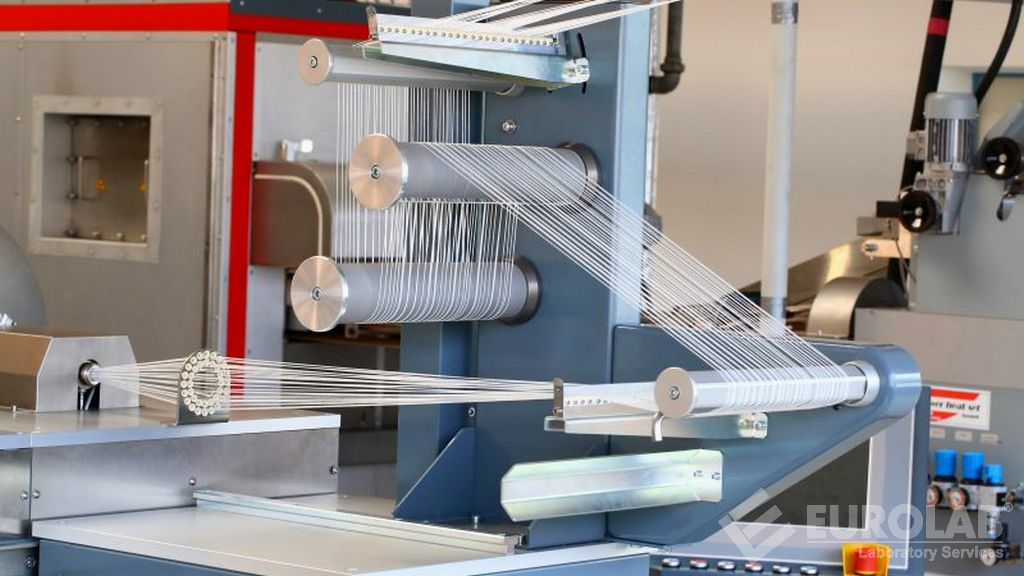
Textiles are made from fibers. These include natural wool, linen, cotton, silk, and synthetic cellulose derivatives and polyamides. To give the textile product a desired property, other materials such as metal or rubber components are added, and for the same reason, the textile undergoes further processing. Textile products are dyed or treated with different substances to create specific effects or to give the garment a certain quality. The main causes of allergic reactions in textile products stem from how the textile is prepared and processed.
Biocides are used in textiles to provide protection during manufacturing or transportation and to prevent bad odor, especially in textile products used in sports. In addition, other substances remaining after dyeing or sulfites used during bleaching can cause allergic disorders. Formaldehyde resin, which is used to prevent wrinkles, is also allergy agents. Among the causes of allergic reaction, type IV reactions are the most common reactions related to textile dyes.
In the test, analysis, measurement and evaluation studies carried out in our organization, national and international standards and applicable legal regulations are complied with and reliable and impartial results are obtained. Textile allergen testing services are among the numerous tests carried out in this context.
To get an appointment, to get more detailed information or to request an evaluation, you can ask us to fill in our form and reach you.

