

The standard “ISO 12945 Textiles - Determination of the tendency of fabrics to fluff, pile or felt on the surface” published by the International Organization for Standardization (ISO) consists of the following subsections published under the same title:
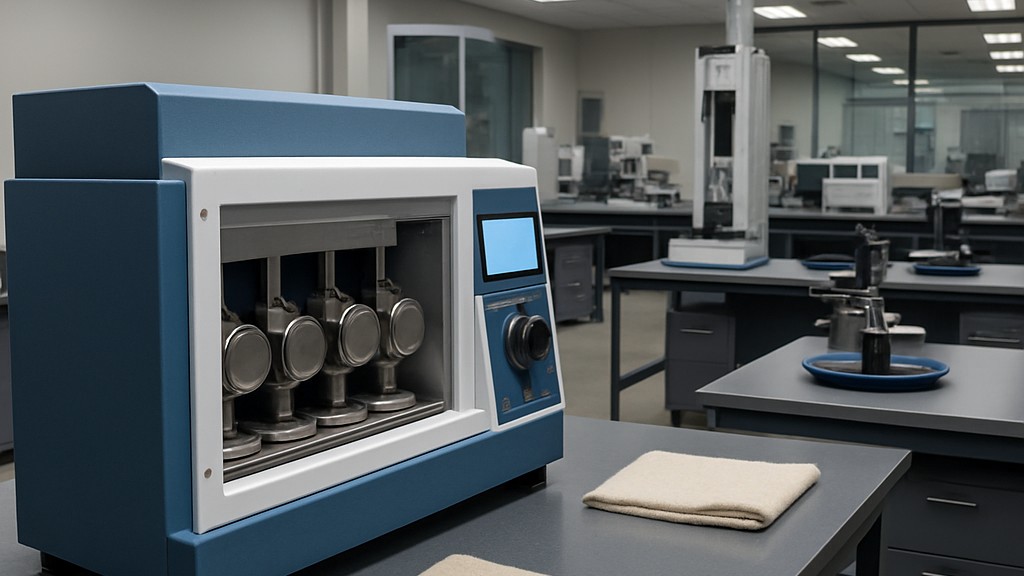
In principle, test samples are mounted in polyurethane tubes and rolled randomly at a constant rotation speed in a cork-lined box. Fuzzing, pilling, and felting are visually assessed after specific test stages.
This standard provides a standardized procedure for measuring how well a textile fabric resists surface changes caused by friction, such as pilling (the formation of fiber balls), fuzz (loose fibers protruding from the surface), and felting (the flattening or felting of the fabric surface). This standard applies specifically to woven and knitted fabrics used in apparel, upholstery, and other end-use applications. The pilling box method simulates the mechanical abrasion to which fabrics are subjected during daily use (such as rubbing against other surfaces or spinning in a washing machine). By measuring these effects, manufacturers can predict fabric lifespan and quality and ensure products meet consumer expectations and regulatory requirements.
The ISO 12945-1 standard applies to most textile fabrics, including woven, knitted, and nonwoven fabrics, but does not cover fabrics with a very loose structure or high pile (such as velvet) that may not be suitable for pilling box testing. This standard is designed for laboratory use and helps:
This standard does not cover chemical or enzymatic treatments that may affect pilling, but instead focuses on mechanical performance.
This standard includes a precise testing procedure to evaluate how well textile fabrics resist pilling (small balls of fibers), fuzzing (loose fibers that stick out), and matting (a smoothing or felting of the surface) when subjected to mechanical abrasion. The method uses a modified version of the Martindale abrasion tester, a staple in textile laboratories, to generate consistent friction forces that mimic everyday wear conditions, such as rubbing against skin, furniture, or other fabrics.
This standard is important for woven, knitted and nonwoven fabrics used in apparel, upholstery and technical textiles and helps predict long-term performance and guide material selection.
In principle, test samples are randomly rolled in a lined cylindrical test chamber under specified conditions. Fuzzing, pilling, and felting are visually assessed after a specified rolling period.
This standard includes a procedure for evaluating a fabric's resistance to pilling (the formation of fiber balls), fuzzing (loose fibers sticking out), and felting (the smoothing or felting of the surface). The random tumbling method uses a cylindrical chamber in which fabric samples are rotated through abrasive materials, simulating the harsh mechanical action of washing machines or prolonged abrasion.
This standard is particularly suitable for fabrics used in apparel, home textiles and upholstery where resistance to surface degradation is critical to quality assurance and consumer expectations.
The random tumble method has unique value as it mimics the aggressive abrasion to which fabrics are subjected during washing, a common cause of pilling in daily use.
By adhering to this standard, manufacturers can:
This standard specifies a method for the visual assessment and grading of pilling (small balls of fibers), fuzz (loose protruding fibers), and felting (surface smoothing or felting) in textile fabrics. This standard provides guidelines for the visual assessment and grading of these conditions after testing by methods such as the pilling box (ISO 12945-1), modified Martindale (ISO 12945-2), or random tumble (ISO 12945-3). Unlike other sections describing physical test procedures, ISO 12945-4 focuses on the subjective assessment process, ensuring consistent and reproducible grading of surface changes.
This standard is important for woven, knitted and nonwoven fabrics used in apparel, upholstery and other applications, allowing manufacturers to measure visual quality and compare results across different test methods.
This standard targets woven, knitted and nonwoven fabrics in applications such as apparel and upholstery, leveraging technologies such as machine vision to ensure repeatable, data-driven qualities that reduce human bias.
Once completed, this standard will be applied to fabrics tested in accordance with other parts of the range and will provide a digital alternative to the manual grading in ISO 12945-4. It is ideal for high-volume quality control, research, and certification where objectivity is paramount, such as in sustainable fabric development or automated production lines.
This standard will emphasize mechanical surface changes after wear, excluding chemical effects. It will support integration with existing laboratory workflows and enable comparisons between digital and visual results for validation.
Our organization, which has been operating for many years and meticulously follows global developments in science and technology, employs a team of experienced professionals and a broad infrastructure to conduct testing, measurement, and analysis in a wide range of areas for businesses across all sectors. In this context, we also provide testing services in accordance with the ISO 12945 Textiles - Determination of the tendency of fabrics to pill, fluff, or felt on the surface.
To get an appointment, to get more detailed information or to request an evaluation, you can ask us to fill in our form and reach you.

