

The "BS 3424 Testing of coated fabrics" standard, developed by the British Standards Institution (BSI), consists of subsections published under the same title.
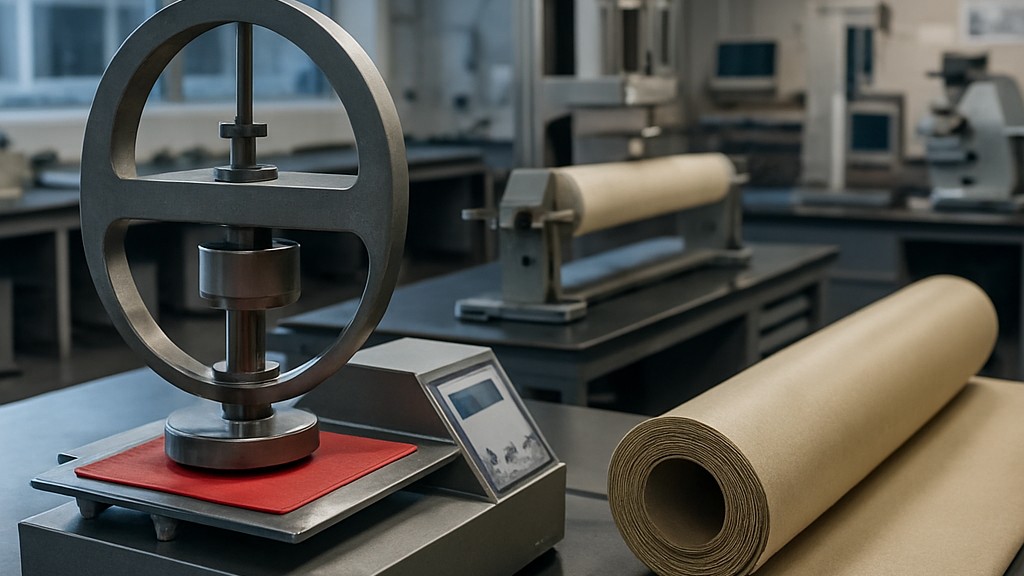
BS 3424 is a British Standard that provides a comprehensive set of test methods for assessing the performance and durability of textiles and related materials. Developed by the British Standards Institution (BSI), BS 3424 covers a wide range of laboratory test methods that play a crucial role in ensuring the quality, safety, and reliability of textile products used in sectors such as apparel, upholstery, and technical fabrics.
The BS 3424 standard consists of a number of sections, each of which specifies detailed procedures for testing various properties of fabrics. Some of these include:
This standard has become a reference point for manufacturers, testers and researchers, helping them maintain consistency and reliability in textile testing.
The BS 3424 standard is structured into multiple parts, each addressing a specific test method. Some notable test methods include:
The test involves clamping a standard strip of fabric in a tensile testing machine and pulling it at a constant rate until it breaks. The machine records the maximum force applied (tensile strength) and the fabric's elongation with that force.
The test simulates mechanical abrasion by subjecting the fabric to repeated rubbing movements against a standard abrasive surface under controlled conditions. The aim is to determine how long the fabric can withstand wear before visible wear, such as pinhole formation or coating loss, occurs.
A test sample is washed under controlled conditions (temperature, time, detergent, mechanical action) and then evaluated for:
Because coated fabrics may behave differently than woven or knitted fabrics due to the presence of plastic, rubber, or polyurethane coatings, this standard helps manufacturers ensure that the product retains its intended shape and fit after repeated cleanings.
Fabric samples are precisely measured and then laundered under controlled conditions that simulate actual laundering conditions. After drying, the fabric is measured again. The change in dimensions (length and width) is calculated and expressed as a percentage gain or loss.
Each method is designed to simulate real-world conditions to evaluate how textiles will perform in normal use and ensure final products meet customer expectations and regulatory requirements.
BS 3424 standards have played an important role in quality assurance in the textile industry by:
Many parts of BS 3424 have been superseded or integrated into international standards over time, particularly those developed by the International Organization for Standardization (ISO) and the American Society for Testing and Materials (ASTM). This reflects the global nature of the textile industry and the move towards harmonized test methods.
However, the BS 3424 standards remain an important historical benchmark in textile testing and their methods have influenced the development of many current standards used around the world.
As a result, BS 3424 is a British standard encompassing multiple test methods for assessing the performance, durability, and quality of textile materials. While some parts have now been superseded by newer international standards, BS 3424 has been influential in shaping the textile testing landscape and has supported manufacturers, researchers, and consumers.
Our organization, which has been supporting businesses across all sectors for years through a wide range of testing, measurement, analysis, and evaluation activities, has a strong team of employees who closely follow global developments in science and technology and are constantly improving themselves. In this context, we also provide testing services in accordance with the BS 3424 "Testing of Coated Fabrics" standard.
To get an appointment, to get more detailed information or to request an evaluation, you can ask us to fill in our form and reach you.

