

The standard “DIN 54221 Textile Tests - Quantitative analysis of binary blends - Mixture of polyamide 6.6 or polyamide 6 fibers with other fibers - Hydrochloric acid method”, published by the German Institute for Standardization (DIN), describes a chemical method for quantitatively determining the ratio of polyamide 6 (PA 6, nylon 6) or polyamide 6.6 (PA 6.6, nylon 6.6) fibers in binary textile blends with other fiber types. This standard is part of a series of DIN standards developed for the analysis of fiber composition in blended textiles.
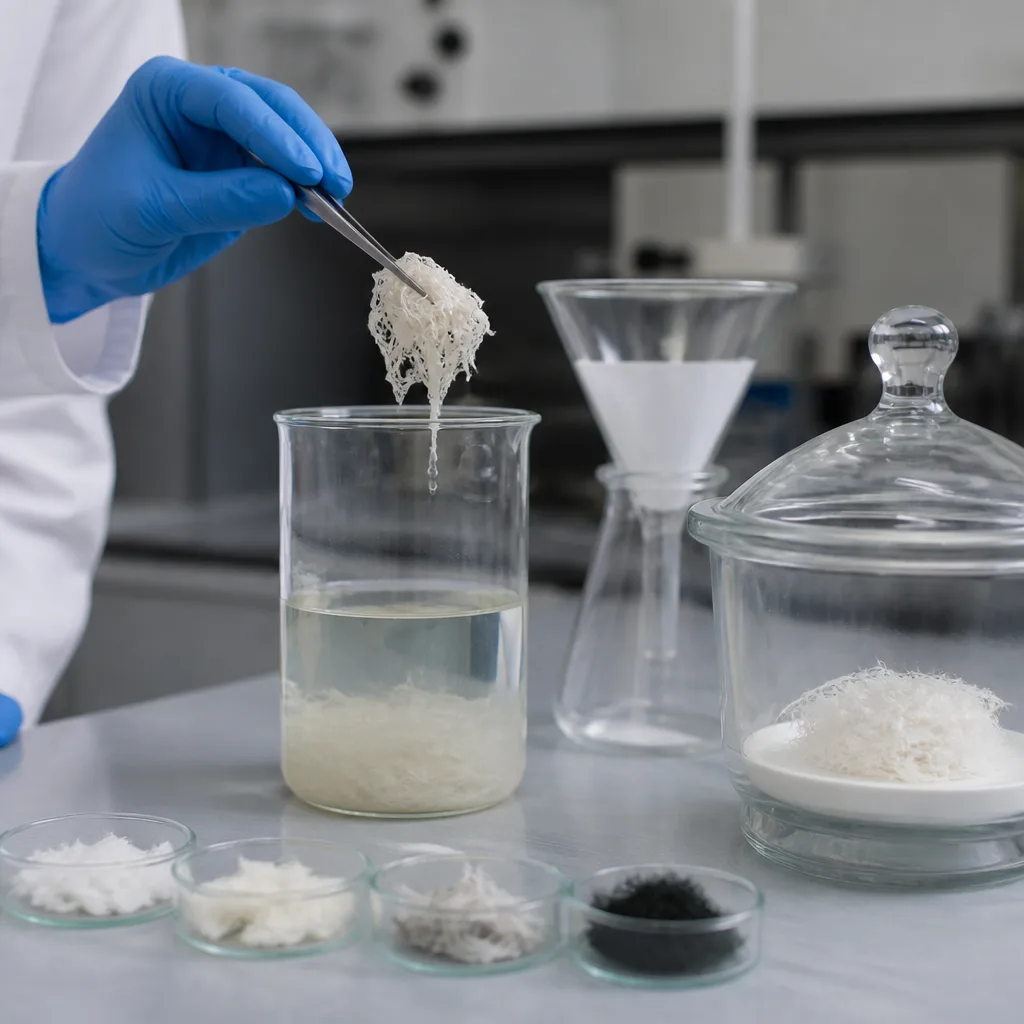
This method is based, in principle, on the selective solubility of polyamides in hydrochloric acid. Under controlled conditions,
This is a classic gravimetric separation technique used in textile chemistry laboratories for quality control, labeling verification, and compliance with fiber composition regulations.
The DIN 54221 standard belongs to a family of similar standards, including:
Textile manufacturers, importers, and testing institutes use this standard for the following purposes:
In short, the DIN 54221 standard is an industry standard developed to evaluate the color fastness of textile products, especially when exposed to organic solvents during cleaning, finishing, or industrial processes. In textile production and quality assurance, fabrics are frequently exposed to chemicals such as perchloroethylene, hydrocarbons, or other solvents used in dry cleaning and stain removal processes. This standard provides a consistent method for determining whether dyed or printed textile products can retain their original appearance after such exposures.
The primary purpose of the DIN 54221 standard is to evaluate how resistant textile materials are to color change, staining, or dye migration caused by solvent contact. Many garments and technical textiles are cleaned or treated using solvent-based methods instead of water-based washing. Without proper testing, the following may occur in fabrics:
This standard helps manufacturers predict product performance under realistic solvent exposure conditions before fabrics are released to the market.
The DIN 54221 standard is applicable to a wide range of textile products, including:
This standard is especially important for materials that require dry cleaning only or are designed for industrial cleaning environments.
The DIN 54221 standard test method generally involves exposing a textile sample to a specific organic solvent under controlled laboratory conditions. The test procedure typically follows these steps:
Results are generally evaluated according to standard rating scales.
The DIN 54221 standard is commonly used in the following sectors:
The DIN 54221 standard is necessary because textiles are exposed not only to water-based washing but also to organic solvents used in dry cleaning, stain removal, degreasing, and industrial finishing processes. A fabric that performs well in normal washing may still fail when exposed to solvents, leading to unexpected damage after purchase or during industrial use. This standard is considered important for the following reasons:
Without this test, clothing may show changes in color or appearance after cleaning.
In conclusion, the DIN 54221 standard is a fundamental textile testing standard for evaluating the resistance of textile dyes to organic solvents. By providing a repeatable testing method, it enables manufacturers to verify durability, improve product reliability, and ensure that fabrics remain visually stable after dry cleaning or solvent exposure. In sectors where textile performance and appearance are critical, this standard plays a valuable role in quality control and product development.
For many years, our organization, with its competent and experienced staff, has been understanding the needs of its clients, providing the advanced testing services they require, and assisting them in the establishment, implementation, and improvement of management systems. Within this framework, we also provide testing services in accordance with the DIN 54221 standard.
To get an appointment, to get more detailed information or to request an evaluation, you can ask us to fill in our form and reach you.

