

DIN 54200 Testing of Textiles - Quantitative Analysis of Fiber Blends by Solvent Method, Basis and Field of Application

DIN 54200 Testing of Textiles - Quantitative Analysis of Fiber Blends by Solvent Method, Basis and Field of Application

In the DIN 54200 standard published by the German Standardization Institute (DIN), test methods for determining the fiber blend composition of fiber blends are described. This standard also includes methods for the quantitative estimation of moisture content in textiles and certain non-fibrous materials for use in the analysis of blends. However, these test methods are not primary methods for determining moisture content.
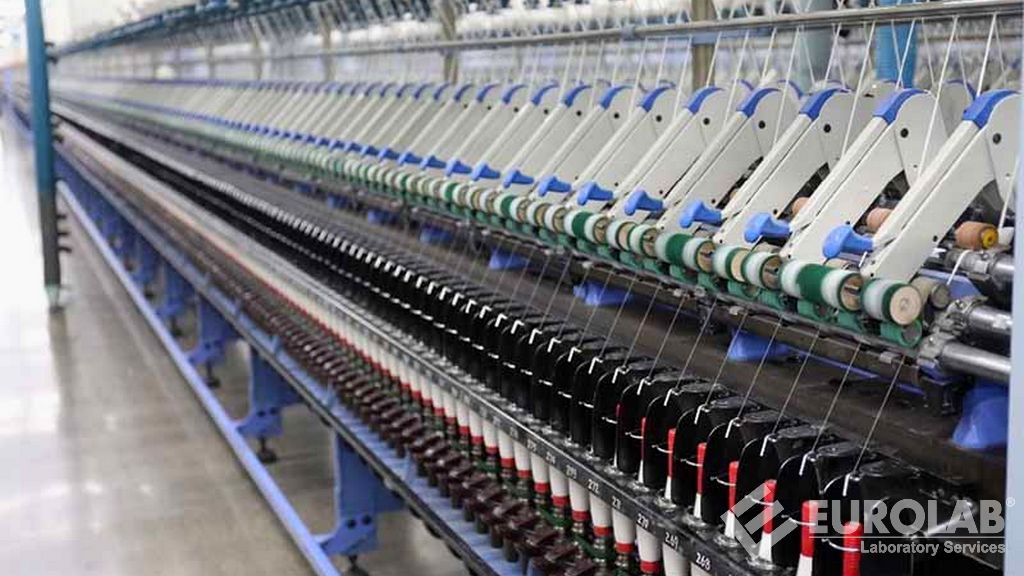
DIN 54200 Testing of Textiles - Quantitative Analysis of Fiber Blends by Solvent Method, Basis and Field of Application

The fiber types covered by this standard are as follows:

  • Natural fibers
    • Cellulose-based fibers: cotton hemp linen ramie (linen look fabric)
    • Protein-based fibres: animal hair (except wool) silk, processed silk, tussah wool (wild silk)
  • artificial fibers
    • Cellulose-based fibers: acetate rayon, viscose or cuprammonium triacetate (triacetate fabric, cellulose with more than 92 percent acetylated hydroxyl groups)
    • Synthetic-based fibers: acrylic aramid modacrylic nylon 6, nylon 6-6, olefin polyester spandex (a type of elastic and strong synthetic fiber)

The test methods described in the DIN 54200 standard are based on a centrifugation quantitative analysis method for bicomponent blended textiles. These methods help to efficiently solve the problem of qualitative quantitative analysis on a range of fibers, bicomposition blended textiles with similar chemical structures and slightly different densities. The method basically consists of the following steps:

  • The two-component blended textile is cut into short, loose fibers, baked to dry and placed in a drying pond to cool.
  • 1/10000 level balance is used to weigh a certain amount of mixed loose fiber
  • A mixed separation solution of a certain density is prepared (according to the density of the fibers, carbon tetrachloride and xylene are used)
  • The mixed fiber is put into the separation solution (a centrifuge machine is used for centrifugation separation)
  • Fibers from the upper layer and the lower layer, respectively taken, filtered, baked to dry, weighed and the percentage content of the various compositions calculated.

Quantitative analysis of fiber mixtures through solvent method, basis and application area, among textile tests, within the scope of DIN 54200 standard, with its trained and expert staff and advanced technological equipment, among the numerous test, measurement, analysis and evaluation studies it has given for businesses in various sectors. also provides services.

WhatsApp

