Color Fastness in Textiles
Color fastness in textiles refers to the resistance of dyed or printed textiles to fading, discoloration, bleeding, or transfer of dye to other materials when exposed to various environmental or usage-related conditions. It measures how well the color remains in place throughout the product's life cycle (from production and wear to washing and exposure to external factors).
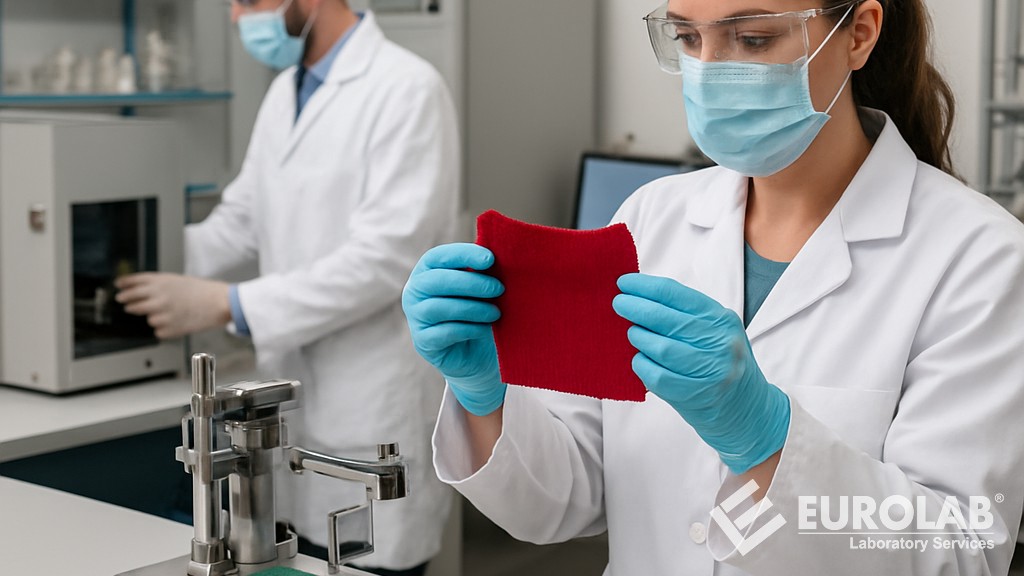
Poor color fastness leads to common consumer complaints: faded garments after a few washes, dye bleeding onto skin or other fabrics, or garments losing their vibrancy after exposure to sunlight. Therefore, high color fastness is a crucial quality indicator in the textile industry, directly impacting product durability, customer satisfaction, and brand reputation.
Color fastness is considered important for the following reasons:
- It prevents other items from getting stained during washing or use.
- It maintains its aesthetic appearance over time.
- Ensures compliance with retail and international standards (e.g., for export markets).
- It reduces returns and complaints in clothing, home textiles, upholstery, and technical fabrics.
Several factors determine how high the color fastness of a textile product will be. The main factors affecting color fastness are:
- Fiber type: Synthetic fibers like polyester generally exhibit better colorfastness than natural fibers like cotton or wool.
- Dye class: Reactive dyes (covalent bonding) offer superior fastness on cellulose-containing fabrics compared to direct dyes.
- Dyeing process: Proper fixation, mordanting (the process of binding certain dyes to the fibers), and finishing treatments improve the bond between the dye and the fiber.
- Color depth: Darker shades generally fade more noticeably than lighter shades.
- Chemical finishes: Some processes improve fastness properties.
The most commonly tested types simulate real-life stresses. The “ISO 105 Textiles – Colorfastness Testing” standards and the American Association of Textile Chemists and Dyers (AATCC) standards contain precise methods for determining colorfastness.
The ISO 105 standard is important for the following reasons:
- It ensures textile quality and durability.
- It is required by many automotive standards.
- Used in clothing, upholstery and technical textiles.
- It supports compliance with REACH and international trade requirements.
The sub-sections of this standard are defined as follows:
- General principles: These describe general procedures, gray scales, and evaluation methods.
- ISO 105-A01 General principles of testing.
- ISO 105-A02 Gray scale for evaluating color variation.
- ISO 105-A03 Grey scale for assessing staining.
- ISO 105-A04-A05 Instrumental evaluation of color change.
- Color fastness to light and weather: Tests resistance to light exposure.
- ISO 105-B01 Color fastness to light (daylight)
- ISO 105-B02 Artificial light (xenon arc lamp)
- ISO 105-B03 Weather resistance
- ISO 105-B04 Artificial weather resistance (xenon arc lamp)
- ISO 105-B06 Artificial light at high temperatures
- Chemical and water-related tests: Determine resistance to washing, water, perspiration, and similar effects.
- ISO 105-C01-C13 Color fastness to washing (at varying intensities)
- ISO 105-E01 Water
- ISO 105-E02 Seawater
- ISO 105-E03 Chlorinated water
- ISO 105-E04 Sweating
- ISO 105-D01 Dry cleaning
- Friction and physical effects: These determine mechanical or physical effects.
- ISO 105-X12 Color fastness to friction (cracking)
- ISO 105-X11 Hot pressing
- ISO 105-X16 Friction (small areas)
- ISO 105-X18 Phenolic yellowing
- Instrumental and specialized tests: Includes advanced and instrumental methods.
- ISO 105-Z01 Color fastness to metals
- ISO 105-Z08 Solvent staining
- ISO 105-Z10 Formaldehyde
The goal of this process is to test the role and privilege manipulation in order to access the resources of a
- Color fastness to wash: Measures resistance to fading and discoloration during machine or hand washing. Samples are washed with detergent at specified temperatures, then evaluated for color change and staining on adjacent white fabrics.
- Color fastness to friction: Evaluates color transfer due to friction (e.g., jeans rubbing against skin or furniture). Tested both dry and wet using a friction meter with a white test cloth.
- Color fastness to light: Evaluates fading from exposure to sunlight or artificial UV light (important for curtains and outerwear). Xenon arc lamps or carbon arc lamps are used to simulate sunlight; typically graded according to blue wool standards.
- Color fastness to sweat: Tests resistance to acidic/alkaline human sweat (critical for sportswear and underwear). Samples are immersed in artificial sweat solutions and subjected to pressure/heat.
Results are graded using grayscale scales (visual comparisons):
- Color change (fading in the example): Scale 1-5
- 5 = Perfect (no changes)
- 1 = Very bad (severe fading)
- Staining (dye transfer to adjacent fabric): Scale 1-5
- 5 = No staining
- 1 = Severe staining
Some lightfastness tests use an 8-point scale (8 = excellent).
In short, color fastness (i.e., the ability of dyed or printed textiles to resist fading, color bleeding, or color change when exposed to washing, light, perspiration, friction, chlorine, or other daily stresses) is one of the most critical quality parameters in the textile industry. It directly affects product performance, consumer satisfaction, brand reputation, and business results. The main reasons why color fastness is so important in the textile and apparel industry are as follows:
- It preserves the aesthetic appearance and perceived quality.
- It increases durability and product lifespan.
- It prevents paint from running and staining.
- It reduces customer complaints, returns, and after-sales issues.
- Ensures compliance with standards and customer requirements.
- It supports brand reputation and market positioning.
- It contributes to sustainability.
In conclusion, color fastness is more than just a technical characteristic. For manufacturers, rigorous testing according to standards such as ISO 105 ensures reliable performance. For consumers, it helps preserve vibrant colors for longer. Color fastness is much more than a technical feature; it is a fundamental indicator of textile quality, performance reliability, and commercial success. Manufacturers invest heavily in dye selection, dyeing processes, fixatives, and rigorous testing because poor fastness leads to dissatisfied customers, financial losses, and reputational damage, while excellent fastness boosts marketing.
For many years, our organization, with its competent and experienced team, has been understanding the needs of its clients, providing the advanced testing services they require, and assisting in the establishment, implementation, and improvement of management systems. Within this framework, we also provide color fastness testing services for textiles to businesses.



