

Fabrics coated with rubber or rubber-like materials exhibit increased stiffness when exposed to decreasing ambient temperatures. The American Society for Testing and Materials (ASTM) standard “ASTM D2136-19e1 Standard test method for coated fabrics - Low-temperature bending test” describes a simple pass/fail test method by which the flexibility of the material at a specified low temperature can be determined. Failure is an indication that the coated fabric is unacceptable for use at that temperature.
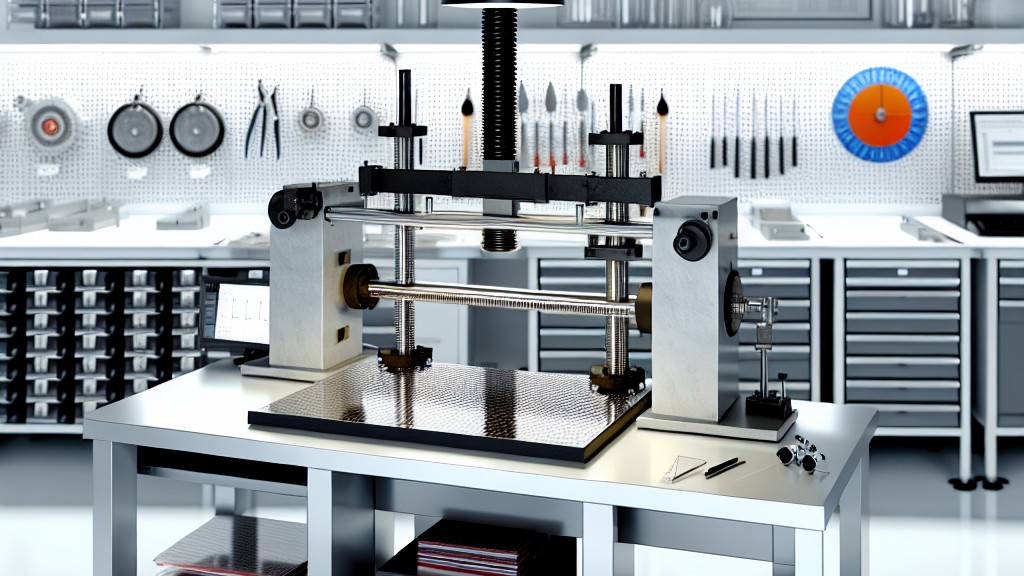
In testing, samples cut from the coated fabric are conditioned at a selected low temperature for a specified period of time. While remaining at this temperature, they are then individually placed in a bending apparatus and bent to a specified angle. Failure of the coated fabric is indicated by fracture of the sample or the appearance of surface cracks in the coating.
This test method evaluates the ability of coated fabrics to withstand a prescribed deflection at a specified low temperature. Fabrics coated with polymeric materials are used in many applications requiring low temperature deflection. Data obtained using this test method can only be used to determine in-service behavior in applications where deformation conditions are similar to those specified in this test method. This test method has been found to be useful for specification purposes but does not necessarily indicate the lowest temperature at which the material may be used.
The main equipment used in these tests are:
Test samples shall be taken from the roll ends at a frequency agreed upon between the purchaser and the supplier. Test samples shall be 25 mm plus/minus 1 mm wide and 100 mm plus/minus 2 mm long. Unless otherwise specified, the longer dimension shall be cut parallel to the longitudinal (machine) direction of the coated fabric. A minimum of three samples shall be cut from each sample tested.
Test specimens shall be conditioned prior to testing in accordance with the standard condition described in ASTM D751. Test specimens are placed between glass plates with sufficient space to allow cold air to pass through during the exposure period. The glass plates, bending apparatus and gloves holding the specimens are placed in the low temperature chamber. Unless otherwise specified, they are exposed to cold, dry air or any suitable gas for 4 hours at the specified temperature.
At the end of the exposure period and still in the test chamber, the samples are removed one by one from between the glass plates (gloves should always be worn when handling the samples before performing the bend test) and placed in the bending apparatus with the flex plate held in the open position by the trigger pin. The front should be oriented away from the mandrel unless otherwise stated.
In order to access the specimens and the test fixture, the access opening to the chamber should be kept as small as possible. The test should be carried out in the shortest time possible to prevent any wear to the chamber. As soon as the specimen is in position in the bending apparatus, the trigger is released and the flexing plate is allowed to free fall. The specimen is removed and set aside. It is discarded along with all other specimens.
Our organization, which has been trying to support businesses from every sector with its testing, measurement, analysis and evaluation studies carried out in a wide range for years, has a strong staff that closely follows the developments in the world in the field of science and technology and constantly improves itself. In this context, testing services in accordance with the "ASTM D2136-19e1 Standard test method for coated fabrics - Low temperature bending test" standard are also provided to businesses.
To get an appointment, to get more detailed information or to request an evaluation, you can ask us to fill in our form and reach you.

