

According to the “DIN 60001-2 Textile fibers - Fiber forms and methods of production” standard developed by the German Institute for Standardization (DIN), textile fibers can exist in various forms, or in the case of synthetic fibers, can be produced in various forms, as defined in DIN 60001-1 and DIN 60001-3 standards. This standard defines terms for fibers and their production forms. The terms listed here can be combined with the definitions of fiber types according to DIN 60001-1 and DIN 60001-3 standards.
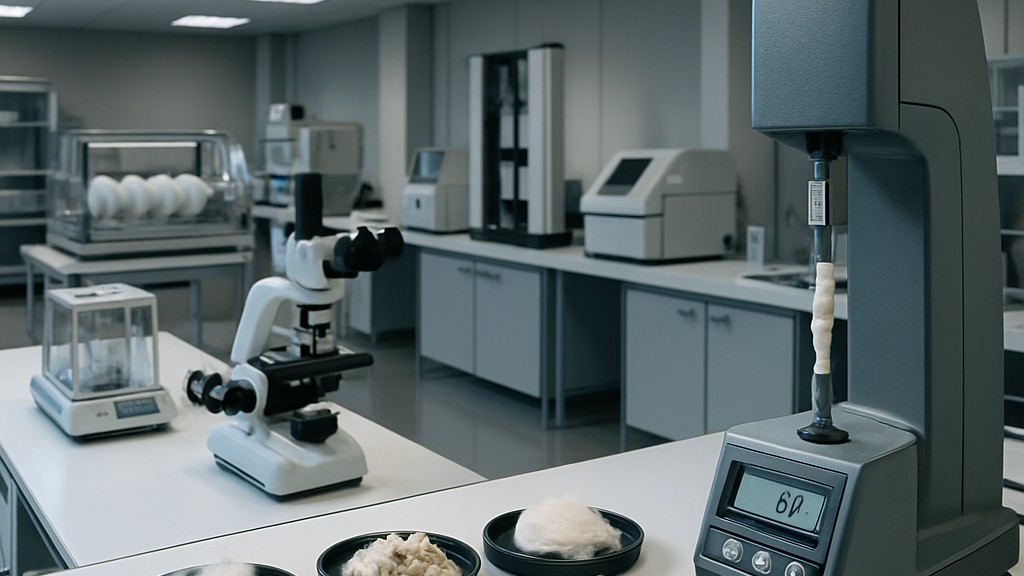
The longitudinal and cross-sectional shapes of natural fibers are determined by their growth. With the exception of the cocoon fibers of silk-spinning insects, which reach lengths exceeding 1.000 meters and are considered continuous within the meaning of this standard, all natural fibers have a finite length. Even if they are not always subsequently spun, they are referred to as staple fibers. Instead, they are processed into nonwoven fabrics used for felt, nonwovens, or wadding (DIN 61210 standard). Short, non-spunable natural fibers are called flock fibers or flock.
The processes involved in fiber extraction, spinning preparation, pre-spinning, spinning, and possibly finishing produce shorter fibers that can be further processed. Certain technical terms are common in certain fields. The natural cross-sectional shape of natural fibers is nearly round (e.g., wool and hair), flat (e.g., tussah silk), or irregular (e.g., cotton).
During chemical fiber production, special shaping is possible, for example according to:
Terms related to chemical fiber shapes are listed in the standard. Other production methods are included in DIN 60900-1, DIN 60900-5, and DIN 60021. Fabrics produced from chemical fibers through integrated processes are not included.
DIN 60001-2 is a German technical standard that addresses textile fibers, particularly fiber forms and manufacturing processes. This standard is part of the broader DIN 60001 series, which covers various aspects of textile fiber materials. DIN 60001-2 is particularly important for professionals in the textile industry because it defines terminology and classifications for fiber forms and manufacturing methods, ensuring consistency and clarity in technical communication.
DIN 60001-2:1990-10, "Textile Fibers; Fiber Forms and Production," defines standardized terms for the different forms textile fibers can take and the production processes used, particularly for synthetic (chemical) fibers. This standard complements DIN 60001-1, which focuses on natural fibers, and DIN 60001-3, which addresses synthetic fibers. By defining these terms, DIN 60001-2 facilitates accurate communication among manufacturers, researchers, and other stakeholders in the textile supply chain. The standard is particularly useful for determining fiber properties in production, quality control, and product labeling.
The main purposes of the DIN 60001-2 standard are:
The DIN 60001-2 standard focuses on the following key areas:
These definitions help standardize how fibers are described in specifications and product documentation.
The DIN 60001-2 standard standardizes these terms, ensuring that manufacturers and suppliers use consistent language when discussing production techniques.
Additionally, some content in the DIN 60001 series has been superseded by international standards such as “ISO 2076 Textiles - Man-made fibres - Generic names”, which provide a broader framework for textile fibre nomenclature.
The DIN 60001-2 standard is applied in various contexts in the textile industry:
The DIN 60001-2 standard reflects the state of textile technology at the time of its initial publication. While it remains valid for many applications, advancements in fiber production (e.g., sustainable fibers or nanotechnology) may not be fully addressed. Users should cross-reference it with more recent standards, such as DIN ISO 2076, to ensure compatibility with current industry practices.
As a result, the DIN 60001-2 standard plays a critical role in the textile industry by providing clear and consistent terminology for fiber forms and manufacturing processes. Its focus on both natural and synthetic fibers makes it a valuable resource for manufacturers, quality controllers, and researchers. While part of a well-established standard series, users should be aware of the standard's current status and consult related or updated standards for the latest developments in the industry.
The DIN 60001-2 standard is a German national standard and is compatible with European norms for assessing the quality and durability of textile floor coverings.
Our organization, which has been supporting businesses across all sectors for years through a wide range of testing, measurement, analysis, and evaluation activities, has a strong team of employees who closely follow global developments in science and technology and are constantly improving themselves. In this context, we also provide testing services in accordance with the "DIN 60001-2 Textile Fibers - Fiber Forms and Production Methods" standard.
To get an appointment, to get more detailed information or to request an evaluation, you can ask us to fill in our form and reach you.

