

The ASTM D4595-17 standard published by the American Society for Testing and Materials (ASTM) defines a test method for measuring the tensile properties of geotextiles using the wide strip sample drawing method. This test method is applicable to a wide range of geotextile materials including woven fabrics, non-woven fabrics, layered fabrics, knitted fabrics and felts used for geotextile application.
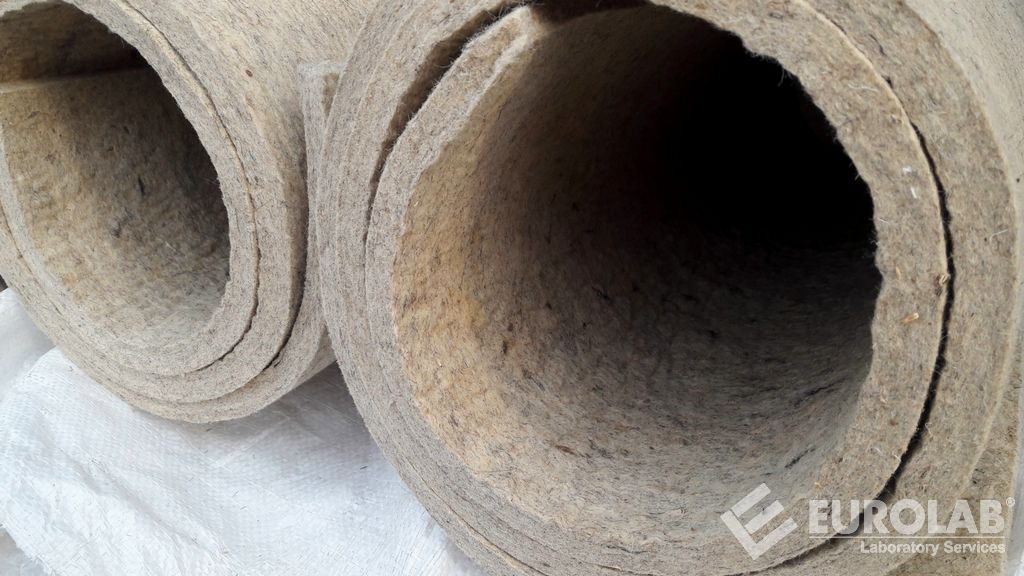
This standard covers the measurement of tensile strength and elongation of geotextiles and provides guidelines for calculating the initial modulus, offset modulus, secant modulus, and fracture toughness for this purpose. Procedures for measuring the tensile properties of both conditioned and wet geotextiles using the wide-strip method are also included in this standard.
The main distinction between the test method defined in ASTM D4595-17 and other methods for measuring strip tensile properties is the width of the sample. Some fabrics used in geotextile applications show a tendency to shrink (neck down) under a force in the gauge length area. The larger sample size specified in this test method minimizes the shrinkage effect of these fabrics and provides a closer correlation and standardized comparison to expected geotextile behavior in the field.
The ASTM D4595 standard is recognized as a reliable method for identifying geotextiles under tension. Geotextiles are typically used to reinforce embankments to prevent catastrophic events such as mudslides during rainstorms. During a storm, soils expand after absorbing water. These soils begin to disintegrate at only 1-2 percent stretch. This is why most geotextiles are designed to expand slightly without compromising the integrity of the entire woven fabric.
For the purposes of this standard,
Among the numerous test, measurement, analysis and evaluation studies it provides for businesses in various sectors, our organization also provides standard testing services for the tensile properties of geotextiles with the wide strip method, within the scope of ASTM D4595-17 standard, with its trained and expert staff and advanced technological equipment.
To get an appointment, to get more detailed information or to request an evaluation, you can ask us to fill in our form and reach you.

