

Developed by Suzuki Motor Corporation, the “SES N 3294 Textile durability tests (abrasion, pilling, tearing)” standard, within the scope of interior durability/lightfastness, is an important standard used to evaluate the long-term performance of textile materials used in the automotive industry. This standard specifically measures the durability of seat upholstery, door panels, and interior trim fabrics.
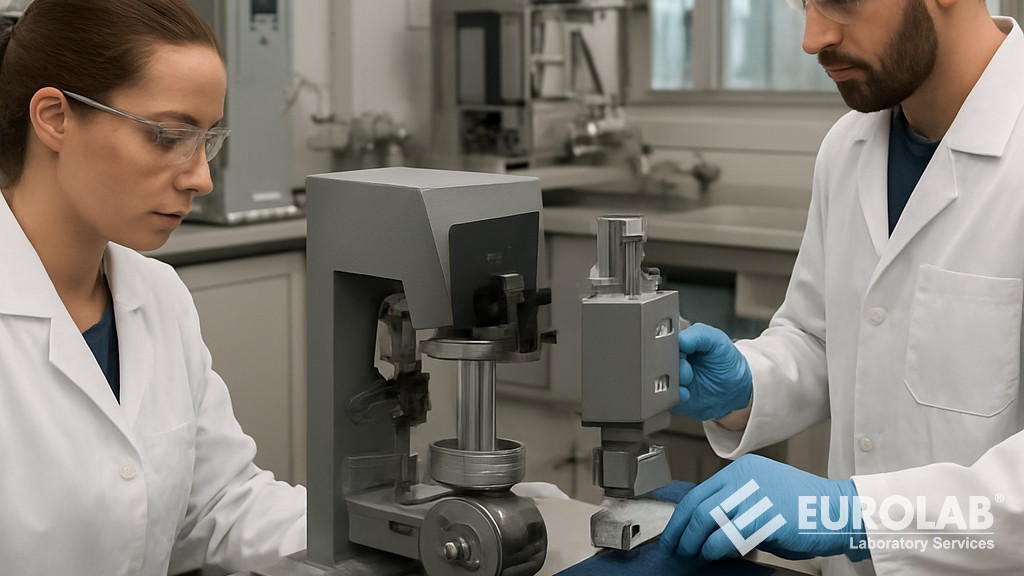
The purpose of the SES N 3294 standard is to estimate the service life of materials within a vehicle by evaluating the following:
Textile durability tests (abrasion, pilling, tearing) are performed to ensure that fabrics used in products, especially in the automotive industry, can withstand real-life conditions without loss of performance, appearance, or safety.
These tests are performed for the following reasons:
These tests, by simulating wear and tear over many years in a short period of time, help engineers predict how materials will behave over time.
Without these tests, materials can deteriorate prematurely in actual use.
These tests help ensure that the vehicle interior looks new for longer.
These tests ensure consistent quality across all vehicles.
In short, these tests are not only about the fabric, but also about the following:
Without abrasion, pilling, and snag tests, manufacturers have no reliable way to be sure that textile materials can withstand the harsh conditions of daily use.
The types of tests defined in the SES N 3294 standard are as follows:
This test is important in the automotive industry because it determines durability in high-contact areas such as the driver's seat.
This test is critical in the automotive industry in terms of aesthetics and customer perception.
This test is important in the automotive industry because it determines the risk of fabric damage during daily use.
In all tests, samples are prepared under specific temperature and humidity conditions. The number of test cycles is determined according to the use case. Results are evaluated according to visual and mechanical criteria.
Thanks to the SES N 3294 standard,
In conclusion, the SES N 3294 standard is a critical standard that evaluates both the mechanical durability and visual performance of automotive textiles. It is particularly indispensable for determining how well a product will withstand real-world usage conditions, especially in heavily used vehicle interiors.
For many years, our organization, with its competent and experienced team, has been understanding the needs of its clients, providing the advanced testing services they require, and assisting them in the establishment, implementation, and improvement of management systems. Within this framework, we also provide testing services compliant with the SES N 3294 standard.
To get an appointment, to get more detailed information or to request an evaluation, you can ask us to fill in our form and reach you.

