

Organic farming is an environmental approach to produce high quality organic fiber, which is then turned into fabric. Organic fabrics are natural fabrics obtained by using organic production systems from fiber to fabric stage. In the organic farming method, the fibers are grown in controlled environments without the use of pesticides, synthetic fertilizers or toxic chemical compounds. Also, for organic farming, the use of genetically modified seeds is prohibited.
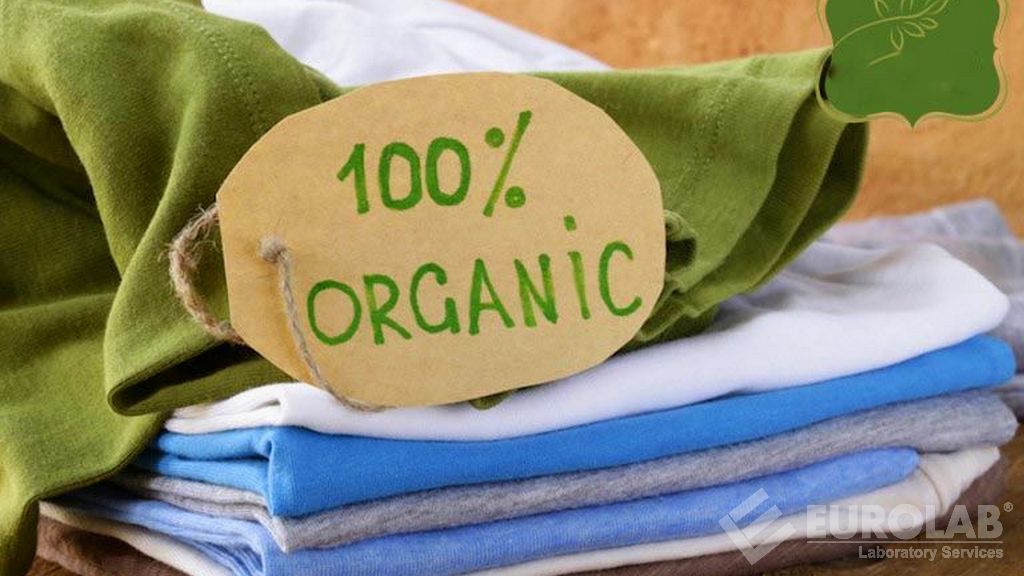
Organic cotton is a well-known organic fabric that is widely available and used to make organic textiles. Certified organic cotton fabric is very environmentally friendly compared to conventional cotton as it causes little or no impact on the environment.
Cotton is a highly pesticide-intensive crop and is widely grown in the world. Pesticides used during cotton cultivation are very harmful and have adverse effects on the air, water, soil and health of those working in the cotton fields. Today, India, China, Turkey, Tanzania and the USA produce about 97 percent of the total global organic cotton fiber.
Organic cotton fabric is produced from organically grown cotton fibers. Along with organic cotton, organic silk and organic wool are also produced. For a fiber to be certified organic, every stage of its production process must be organic.
In the test, analysis, measurement and evaluation studies carried out in our organization, national and international standards and applicable legal regulations are complied with and reliable and impartial results are obtained. Organic textile testing services are among the numerous tests carried out in this context.
To get an appointment, to get more detailed information or to request an evaluation, you can ask us to fill in our form and reach you.

