

The “AK LV 110 Shore L Hardness Determination” standard, prepared by Audi, Bavarian Motor Works, Daimler Chrysler, Porsche, and Volkswagen automobile companies, describes the hardness test method (Shore L) for polyurethane (PUR) foam used in steering wheels.
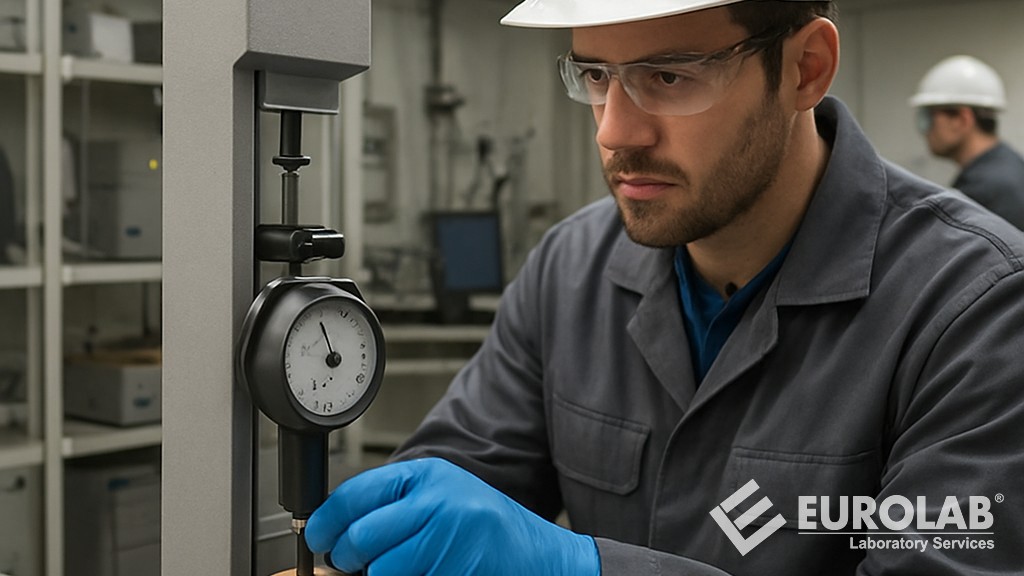
Polyurethane is a plastic material available in various forms. It can be designed to be rigid or flexible and is a preferred material in the automotive industry.
The AK-LV 110 standard is a specific engineering standard used in the automotive industry, particularly by German manufacturers and suppliers. The AK-LV standard series ensures consistent quality and performance in vehicle components. Examples include:
In this context, the AK LV 110 standard is very important for internal component suppliers. The AK-LV 110 standard focuses on the hardness testing of polyurethane (PUR) foam used in steering wheel covers. It primarily includes:
This test is crucial because the steering foam must balance softness for grip comfort with sufficient firmness to withstand prolonged use, temperature changes, and potential impacts.
In modern vehicles, steering wheels incorporate advanced materials for ergonomics, safety (e.g., energy absorption in collisions), and integration with controls. Consistent material properties, such as stiffness, prevent issues like premature wear, inconsistent feel, or failure under stress. Compliance with the AK LV 110 standard helps manufacturers meet regulatory safety standards and maintain high-quality interiors.
Test laboratories specializing in automotive materials perform the AK LV 110 test using standardized Shore L durometers to measure indentation resistance.
Particularly for companies in the automotive supply chain, such as those producing interior foam or steering systems, this standard ensures that products comply with the original equipment manufacturer (OEM) expectations of German car manufacturers.
In short, the AK LV 110 standard specifies the material requirements, such as hardness, physical properties, and other test criteria, that PUR foam used in steering wheel covers must meet during manufacturing and verification. This standard is similar in style to many internal automotive material specifications that define how parts should be manufactured and tested to meet quality, safety, and durability expectations for steering wheels and other internal components.
The primary objectives of the AK LV 110 standard generally include the following:
This type of standard is crucial because automotive interior components must meet expectations for fit, appearance, and safety, as well as performance, including tactile feel, durability, heat resistance, and more.
The AK LV 110 standard is important because it plays a critical role in ensuring the quality, safety, and consistency of automotive interior components throughout the supply chain. The main reasons why this standard is considered important are as follows:
This standard defines material performance limits that help ensure the steering wheel behaves predictably and safely in real-world driving and crash scenarios.
This consistency reduces misunderstandings, manufacturing defects, and disputes by clearly defining what constitutes acceptable material.
This is crucial for supplier approval, production audits, and change management.
This protects brand image and customer satisfaction.
In conclusion, the AK LV 110 standard is extremely important in the automotive industry, especially for companies involved in steering wheel design, material testing, and internal component manufacturing.
For many years, our organization, with its competent and experienced staff, has been understanding the needs of its customers, providing the advanced testing services they require, and assisting them in the establishment, implementation, and improvement of management systems. Within this framework, we also provide testing services to businesses in accordance with the "AK LV 110 Shore L hardness determination" standard.
To get an appointment, to get more detailed information or to request an evaluation, you can ask us to fill in our form and reach you.

