
SES N 3206 ABS (Acrylonitrile Butadiene Styrene) Materials

SES N 3206 ABS (Acrylonitrile Butadiene Styrene) Materials

Developed by Suzuki Motor Corporation as part of its plastics and polymer materials standards, the “SES N 3206 ABS (acrylonitrile butadiene styrene) materials” standard describes the requirements, properties, test methods, and application conditions for ABS-based plastics used in vehicle components. This standard is part of the internal material specifications developed for original equipment manufacturers to ensure consistent quality and performance.
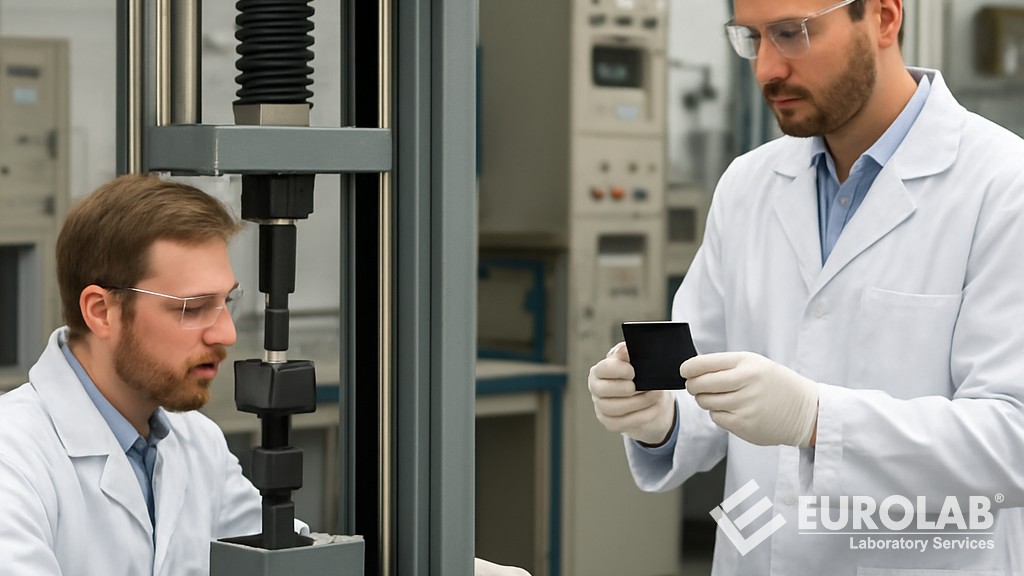
SES N 3206 ABS (Acrylonitrile Butadiene Styrene) Materials

Acrylonitrile butadiene styrene (ABS) is one of the most widely used thermoplastics in the automotive industry due to its balanced combination of mechanical strength, impact resistance, processability, and cost-effectiveness. This material plays a crucial role in both interior and exterior vehicle applications.

ABS is a terpolymer composed of three monomers:

  • Acrylonitrile: Provides chemical resistance and thermal stability.
  • Butadiene: Provides toughness and impact resistance.
  • Styrene: Offers hardness and a smooth, glossy surface.

This unique combination makes ABS extremely versatile and suitable for demanding automotive environments.

ABS materials are preferred in automotive engineering due to the following properties:

  • mechanical performance
  • High impact resistance even at low temperatures.
  • Good tensile strength and hardness.
  • Excellent dimensional stability.
  • Thermal behavior:
  • Moderate heat resistance (typically up to 80-100 degrees)
  • Suitable for interior and some under-hood applications (with modifications).
  • Surface quality
  • Smooth, high-gloss surface.
  • It is easy to paint, coat or chrome plate (e.g. chrome plating).
  • Processing advantages:
  • Excellent moldability (ideal for injection molding)
  • Low shrinkage and consistent part quality.
  • Compatible with high-volume production.

Acrylonitrile butadiene styrene (ABS) is widely used in many vehicle systems in the automotive industry:

  • Internal components:
  • Instrument panels (dashboards)
  • Door panels and handles
  • Center consoles
  • glove compartments

ABS is preferred here because of its aesthetic quality and tactile feel.

  • External components:
  • Mirror housings
  • Front grilles
  • Pole coverings

For outdoor use, ABS is often UV stabilized or blended (e.g., PC/ABS) to increase durability.

  • Functional and structural components:
  • HVAC system components
  • Electrical enclosures and connectors
  • Protective covers and cases

These applications take advantage of ABS's impact resistance and electrical insulation properties. ABS is preferred, especially where a balance between strength, cost, and surface quality is required.

To meet stricter automotive requirements, ABS is often modified in the following ways:

  • PC/ABS blends: Improved heat resistance and toughness.
  • Flame-retardant ABS: Used in electrical and electronic components.
  • Glass fiber reinforced ABS: Improved stiffness and strength.
  • UV-resistant ABS: Suitable for long-term outdoor exposure.

The advantages of ABS materials in automotive design are as follows:

  • It is cost-effective compared to engineering plastics.
  • Its lightweight design contributes to fuel efficiency.
  • Design flexibility is available for complex geometries.
  • A good balance of properties (strength, toughness, appearance).
  • Recyclability supports sustainability goals.

Despite its advantages, ABS has some limitations:

  • Lower heat resistance compared to high-performance plastics.
  • Susceptible to UV degradation without stabilization.
  • Moderate chemical resistance (may be affected by solvents)

To overcome these problems, engineers often use mixtures or coatings.

In automotive manufacturing, ABS materials must meet strict standards, including those listed below:

  • Original equipment manufacturer standards (e.g., SES material specifications)
  • International standards such as ISO and SAE.

These standards ensure the following:

  • Consistent quality among suppliers.
  • Safety and durability in real-world conditions.
  • Compatibility with production processes

The role of ABS in the automotive industry continues to evolve:

  • Increasing use of lightweight components in electric vehicles.
  • Development of bio-based and recycled ABS materials.
  • Surface technologies developed for superior interior designs.
  • Integration with smart components (sensor housings, displays)

In conclusion, ABS remains a fundamental material in the automotive industry, offering an excellent balance between performance, aesthetics, and cost. While new engineering plastics are emerging, ABS remains the preferred choice for many applications, particularly in interior components and functional housings.

Typical ABS characteristics according to the SES N 3206 standard:

  • Tensile strength: 40-50 MPa
  • Impact resistance: 200-400 J/m
  • Temperature resistance: Continuous use up to approximately 85 degrees.
  • It performs well even at low temperatures (minus 20 degrees).
  • Excellent fatigue resistance throughout a long service life.

The SES N 3206 standard generally specifies the following compliance:

  • Injection molding (primary process)
  • Thermoforming and extrusion
  • Secondary processes:
  • Painting
  • Plating (e.g., chrome)
  • Laser marking

ABS is widely used because it is easy to mold and maintains its dimensional accuracy during production.

According to the SES N 3206 standard, the test requirements are as follows:

  • Mechanical tests:
  • Pull, impact (Izod/Charpy)
  • Thermal tests:
  • Heat aging
  • Heat deflection temperature
  • Environmental tests:
  • UV / weather resistance
  • moisture resistance
  • Surface tests:
  • Scratch resistance
  • Brightness and color stability
  • Flammability tests

The SES N 3206 standard is generally considered necessary in the automotive industry for the following reasons:

  • Consistent material quality among suppliers.
  • Safety compliance (impact behavior, flammability)
  • Durability in automotive conditions (temperature, UV, aging)
  • Aesthetic consistency for visible parts.
  • Cost optimization by selecting the correct ABS class.

In the absence of such a standard, variations in ABS formulations could lead to the following:

  • Premature cracking
  • Color mismatch
  • Low impact performance

In conclusion, the SES N 3206 standard is a critical automotive materials standard that defines how ABS plastics should perform in vehicles. It guarantees that components made from ABS will provide the following:

  • Reliable mechanical performance
  • Long-term environmental resilience
  • High-quality visual appearance
  • Efficient and cost-effective production

For many years, our organization, with its competent and experienced team, has been understanding the needs of its clients, providing the advanced testing services they require, and assisting them in the establishment, implementation, and improvement of management systems. Within this framework, we also provide testing services compliant with the SES N 3206 standard.

WhatsApp

