

Developed by the American Society for Testing and Materials (ASTM), the ASTM E 2412 standard provides a test method that includes the use of FT-IR for monitoring additive depletion, contaminant buildup, and essential stock deterioration in lubricants, hydraulic fluids, and other fluids used in normal machine operation. The full title of this standard is: ASTM E2412-10 (2018) Standard practice for condition monitoring of in-service lubricants by trend analysis using Fourier transform infrared (FT-IR) spectrometry.
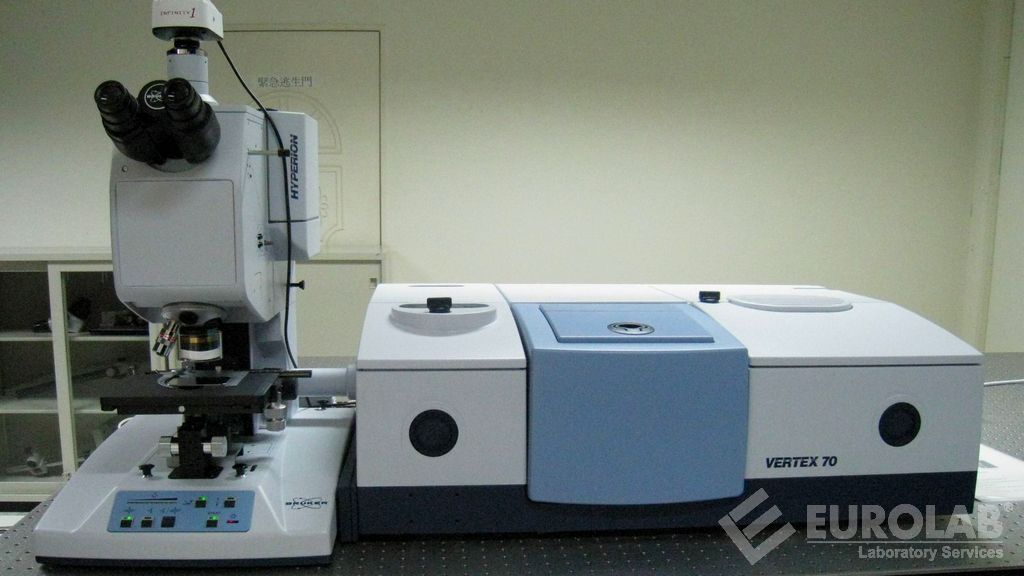
Contaminants monitored include water, soot, ethylene glycol, fuels and the wrong oil. Oxidation, nitration and sulfonation of base stocks are monitored as evidence of degradation. The purpose of this monitoring activity is to diagnose the operating condition of the machine based on the fault conditions observed in the oil. Measurement and data interpretation parameters are presented to allow operators of different FT-IR spectrometers to compare results using the same techniques.
Periodic sampling and analysis of lubricants has long been used to determine overall machine health. Atomic emission and atomic absorption spectroscopy are commonly used for wear metal analysis. A series of physical property tests complement the wear metal analysis and are used to provide information on lubricant condition.
In the test, analysis, measurement and evaluation studies carried out in our organization, national and international standards and applicable legal regulations are complied with and reliable and impartial results are obtained. These studies are based on the latest technological equipment, trained and experienced staff and modern methods. FT-IR (ASTM E 2412) services are among the numerous tests carried out in this context.
To get an appointment, to get more detailed information or to request an evaluation, you can ask us to fill in our form and reach you.

