

When the composite plastic and polymer materials in the vehicle are exposed to liquid oils and fuels, they begin to deteriorate and lose their effectiveness over time. The D47 1098 standard, developed by the PSA Peugeot Citroen group, Europe's second largest automobile manufacturer, defines a test method for determining the fluid resistance of these materials. The purpose of this test method is to determine the strength of the material against fluids such as oil and fuel.
While testing, the composite plastic and polymer material sample used in the vehicle is kept in diesel fuel at 70 degrees for 24 hours. Or, it is kept in motor oil (15W-40) for 80 hour at 1 degrees. At the end of this period, it is examined whether there is any visible deterioration or change in the material.
At the same time, the sample is dipped in 98 octane, unleaded gasoline and kept at 70 degrees for 24 hours. Or, it is kept in brake fluid at 85 degrees for 1 hour. In this case, slight dissolution of the sample is expected.
The main purposes of this test method are:
This standard applies only to compact vulcanized rubber-based materials found in plates, bands, corners, molded parts and the like.
The classification of composite plastic and polymer compounds is made on the basis of criteria, taking into account their physical-chemical properties. Compounds are categorized according to their use or the type of elastomer indicated in their composition.
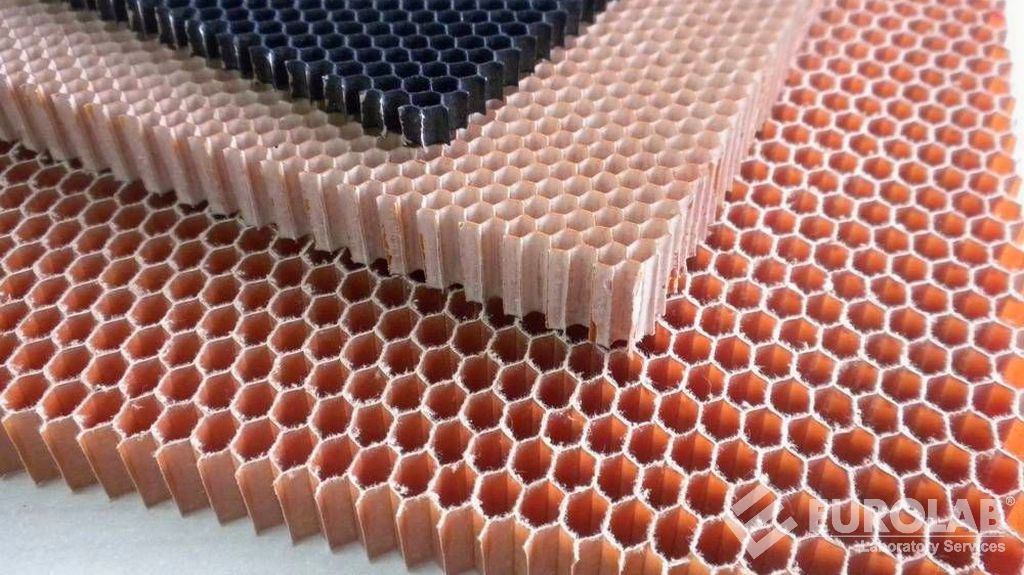
Polymer and plastic composites are plastics reinforced with fibers, fillers, particles, powders and other matrix reinforcements to provide improved strength and stiffness. For example, fiber reinforced plastics, sheet molding compounds, bulk molding compounds, pre-impregnated materials and fabricated composite parts. These materials are used in the automotive industry for various purposes.
Among the numerous test, measurement, analysis and evaluation studies it has given for businesses in various sectors, our organization, with its trained and expert staff and advanced technological equipment, aims to determine the fluid resistance of the composite plastic and polymer materials used in the vehicle against liquid oils and fuels, within the scope of the D47 1098 standard. It also provides testing services for
To get an appointment, to get more detailed information or to request an evaluation, you can ask us to fill in our form and reach you.

