SES N 3296 Interior Upholstery UV Resistance
Developed by Suzuki Motor Corporation as part of interior durability/lightfastness, the “SES N 3296 Interior Upholstery UV Resistance” standard is a test standard used in the automotive industry to evaluate the resistance of interior materials to ultraviolet (UV) rays. This standard is used specifically to measure the long-term performance of interior trim parts (such as dashboards, door panels, consoles, and seat covers) that are constantly exposed to sunlight.
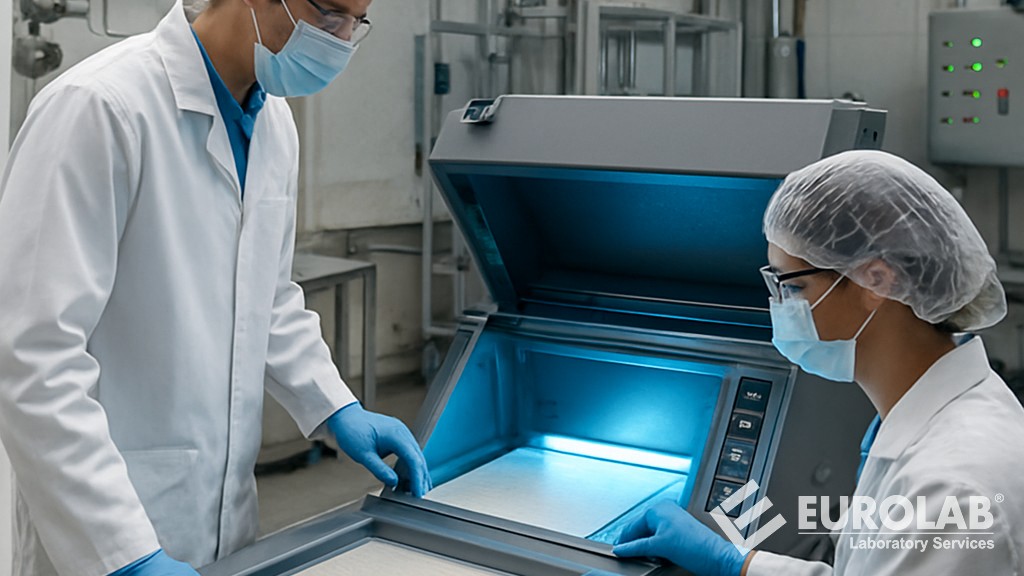
This test method measures the resistance of interior trim materials to the following effects under UV light:
- color change
- Surface deterioration (cracking, breaking)
- Loss of mechanical properties
- Coating or paint damage
UV rays cause aging, especially in polymer-based materials, by disrupting chemical bonds. Therefore, UV resistance falls under the category of weather resistance.
In the automotive industry, UV resistance of interior upholstery materials refers to the durability of a vehicle's interior materials against damage caused over time by ultraviolet (UV) radiation from sunlight.
Inside a car, many components are exposed to sunlight through the windows. For example,
- Dashboard
- Door panels
- Upholstery fabrics and leather
- Center console
- Pole coverings
Even when these parts are inside a vehicle, UV rays can penetrate glass and gradually degrade the materials. UV resistance means that these materials can withstand prolonged exposure to sunlight while maintaining the following:
- Color
- Surface quality
- Mechanical durability
- View
Without adequate UV resistance, interior flooring materials can be affected by:
- Fading (loss of original color)
- Yellowing (especially in light-colored plastics)
- Cracking or brittleness
- Surface peeling or chalking
- Loss of texture or shine
These effects result from UV radiation disrupting the chemical structure of polymers and coatings.
UV resistance is determined according to the SES N 3296 standard as follows:
- The materials are exposed to artificial UV light (simulating sunlight).
- Combined with heat and moisture (accelerated aging).
- It is evaluated for the following:
- color change
- Cracks or surface damage
- Mechanical failure
Manufacturers improve UV resistance using the following methods:
- UV stabilizers (additives that absorb or block UV rays)
- Protective coatings
- Fade-resistant pigments
- High-performance polymers
In short, interior upholstery UV resistance is the ability of automotive interior materials to resist fading, cracking, and deterioration caused by prolonged exposure to sunlight.
A typical UV test under the SES N 3296 standard is performed as follows:
- Sample preparation: Standard-sized pieces are taken from the interior trim material.
- UV exposure: Samples are kept under UV lamps (usually in the 300-400 nm range) for a specific period of time. This process simulates real sunlight.
- Environmental cycles: A combination of UV, temperature, and humidity is applied (accelerated aging).
- Evaluation: The results are evaluated from the following perspectives:
- color change
- Surface cracks
- Loss of brightness
- Change in mechanical strength
UV resistance directly impacts the perception of interior vehicle quality in the following ways:
- Aesthetic quality: Color fading and yellowing reduce customer satisfaction. This is a particularly critical point in premium vehicles.
- Material lifespan: UV light makes plastic and textile materials brittle over time. UV stabilizers are used to reduce this effect.
- Safety and functionality: Cracked trim pieces can create sharp edges. Peeling of the coatings can lead to loss of functionality.
- Brand perception: UV-resistant interiors convey a long-lasting, new-looking appearance. Original equipment manufacturers are a key part of quality standards.
The SES N 3296 standard is essential in the automotive industry because it ensures that vehicle interior materials can withstand prolonged exposure to sunlight without losing quality, safety, or appearance. The main reasons this standard is considered important are as follows:
- It simulates real-life sun exposure: Cars are constantly exposed to sunlight, especially through the windows. UV radiation gradually damages plastics, textiles, and coatings. This standard ensures that materials are tested under accelerated UV conditions before production. Without this, problems would only become apparent after the car is put into use.
- It preserves the interior appearance: Customers expect interiors to stay looking new for years. This standard prevents fading, yellowing, and discoloration. It protects the surface coating and texture. Poor UV performance causes a car to quickly look old and low-quality.
- Ensures long-term durability: UV exposure can weaken the material structure over time. This leads to cracking, brittleness, and surface deterioration, shortening product lifespan. This standard ensures that materials remain functional for the entire life of the vehicle.
- Supplier quality control ensures: Automotive manufacturing involves many suppliers. This standard establishes a common benchmark for all materials. It ensures consistency between different batches and suppliers. Original equipment manufacturers can approve or reject materials based on objective test results.
- It protects brand reputation: Interior quality is a key factor in customer satisfaction. Visible UV damage leads to complaints and warranty claims. High UV resistance creates a premium perception. Car manufacturers rely on this standard to protect their brand image.
- It supports safety and functionality: Materials exposed to UV light can crack or break and lose their structural integrity. This can affect usability and, in some cases, safety.
In short, the SES N 3296 standard is required for the following:
- Predicting the long-term behavior of interior materials.
- To ensure consistent quality and durability.
- To prevent premature aging and imperfections.
- To protect customer satisfaction and brand value.
UV stabilization is widely used in modern automotive materials and is validated through these tests.
In conclusion, the SES N 3296 standard,
- It measures the UV resistance of vehicle interior trim materials.
- It evaluates the fading, cracking, and aging behavior of materials.
- Quality is a critical standard in terms of aesthetics and durability.
For many years, our organization, with its competent and experienced team, has been understanding the needs of its clients, providing the advanced testing services they require, and assisting them in the establishment, implementation, and improvement of management systems. Within this framework, we also provide testing services compliant with the SES N 3296 standard.



