

The ready-to-use substances, which are mainly formed by the processing of petroleum, are called plastic granules. Granules used in production in various industries are basically a thermoplastic polymer. Granular raw material has a very wide usage area and granule is produced according to its properties and usage.
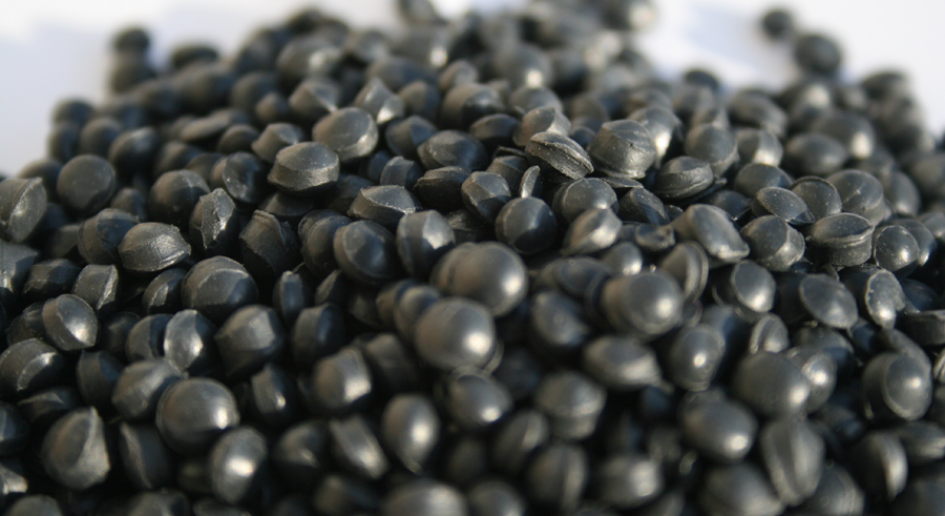
Propylene granule is particularly resistant to fatigue. Moreover, the production cost of the granule, which has a strong impact strength, is low. Meanwhile, the friction coefficient of the granule is low and with this feature, it provides good electrical insulation. The granule, which also has high chemical resistance, is suitable for thermoplastic processing processes.
While producing granules, the polypropylene raw material, which undergoes a certain recycling process, is cleaned first and then divided into small pieces. It is then transported to the recycling system using conveyors. With recycling, granules are produced in requested colors. The plastic granules produced in this way can be in the desired form in terms of color, durability and flexibility.
Granules are widely used in the automotive industry, in the production of kitchenware, in the construction industry, in the production of electrical materials, in the furniture industry, in the production of plastic toys, in the packaging industry, in the production of plastic pipes and in the production of natural gas pipes. In this respect, it has a wide range of uses.
In the granule raw material analysis, the main characteristics of the granule are determined:
In addition, the components that make up the granular material are so large that they are not subject to thermal motion fluctuations. Therefore, the lower size limit for grains in particulate material is about 1 µm. Granular materials are commercially important in a variety of applications such as the pharmaceutical industry, agriculture and power generation. Powders are a special class of granular materials due to their small particle size, making them more cohesive and more easily suspended in a gas.
Our organization also provides granular raw material analysis services with its trained and expert staff and advanced technological equipment, among the numerous test, measurement, analysis and evaluation studies it provides for businesses in various sectors.
To get an appointment, to get more detailed information or to request an evaluation, you can ask us to fill in our form and reach you.

