
SES N 3295 Interior Upholstery Color Durability

SES N 3295 Interior Upholstery Color Durability

Developed by Suzuki Motor Corporation as part of interior durability/lightfastness, the “SES N 3295 Interior Upholstery Color Fastness” standard is an automotive testing standard that evaluates how well interior upholstery materials retain their original colors over time, particularly under environmental stresses such as light and heat.
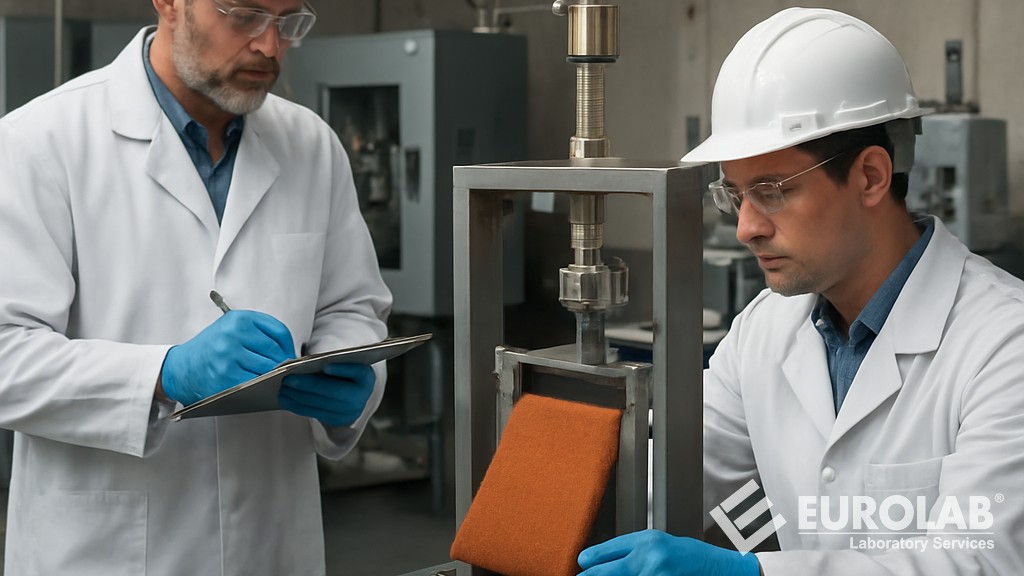
SES N 3295 Interior Upholstery Color Durability

Interior upholstery colorfastness refers to the resistance of interior upholstery materials (fabric, plastic, leather, coatings) to the following:

  • Fading (UV/light exposure)
  • Discoloration (heat, humidity, aging)
  • Color change due to environmental conditions.

Simply put, this standard assesses whether the dashboard, seat upholstery, or door panel retains its original color after years of use.

In the automotive industry, interior upholstery colorfastness refers to the ability of interior materials to retain their original color and appearance over time, despite exposure to environmental and usage conditions.

The SES N 3295 standard describes the resistance of interior trim components to the following:

  • Fading due to sunlight (UV radiation)
  • Discoloration due to heat and humidity.
  • Color change due to aging and chemical exposure.
  • Irregular color distortion (blonde or speckled appearance)

Interior upholstery color durability is important for the following materials:

  • Upholstery fabrics and leather
  • Instrument panel and instrument panel
  • Door panels and armrests
  • Carpets and mats
  • Plastic and coated surfaces

Several real-life conditions affect color stability:

  • Sunlight (exposure to UV rays): This is the main cause of fading.
  • High temperature: Accelerates chemical decomposition.
  • Moisture: Can cause discoloration or staining.
  • Human contact: Sweat, oils, and cleaning chemicals.
  • Aging over time: Deterioration of natural materials.

Manufacturers use accelerated testing methods to simulate long-term exposure (for example, the widely used SES N 3295 standard):

  • UV light rooms
  • Heat and humidity cycles
  • Color measurement using grayscale or instruments.

These tests quickly simulate years of use.

The SES N 3295 standard test method typically includes the following:

  • Accelerated aging using light (UV radiation)
  • Controlled conditions, for example,
  • The temperature is approximately 89 degrees plus/minus 3 degrees.
  • Humidity 50% plus/minus 5%
  • The light wavelength is approximately 300-400 nm.
  • Exposure time as defined by the standard.
  • Evaluation using grayscale grading (color change assessment)

The material is briefly exposed to simulated sunlight and environmental stress to mimic years of real vehicle use.

This test checks the following:

  • Color fading degree
  • Color change (e.g., beige, yellowish)
  • Homogeneity of appearance
  • Visual assessment (typically on a 1-5 or 1-6 scale)

SES N 3295 is used for testing the following types of materials:

  • Upholstery fabrics
  • Leather and synthetic leather
  • Plastic coverings (instrument panel, panels)
  • Coatings and paints used on interior parts

These materials must be resistant to the following:

  • UV degradation
  • Thermal aging
  • Environmental exposure

In short, the SES N 3295 standard ensures that a vehicle's interior does not fade, change color, or look old quickly. This is very important because...

  • Interior appearance speaks volumes about customer satisfaction.
  • Color stability affects perceived vehicle quality.
  • Durability builds brand reputation.

Interior upholstery color durability is an expression of how well a vehicle's interior retains its original color over time. This ensures:

  • The interior paint will not fade or change color.
  • The vehicle will have a new and high-quality look.
  • The materials perform well in real-life conditions.

Standards such as SES N 3295, which cover vehicle interior upholstery color durability, are important because they ensure that a vehicle's interior maintains its original appearance and quality throughout its lifespan. In the automotive industry, appearance is not just an aesthetic element; it directly affects customer perception, brand value, and product reliability. Therefore, this standard is considered important for the following reasons:

  • It preserves the vehicle's appearance over time: Vehicle interiors are constantly exposed to the following:
  • Strong sunlight (UV radiation)
  • High temperatures (especially in parked vehicles)
  • Daily use (touch, friction, cleaning)

Without proper testing, materials can quickly fade, yellow, or change color.

  • It ensures customer satisfaction: Customers expect interiors to look new for years to come. However,
  • A faded instrument panel or seats look old and worn.
  • Color mismatch between the parts creates a perception of low quality.

This standard prevents premature visual aging, a major customer complaint.

  • It protects brand image: Automotive brands rely heavily on perceived quality.
  • Consistent and durable colors create a sense of superior quality.
  • Visible fading gives the impression of being cheap or unreliable.

Even minor color changes can damage a brand's reputation.

  • It ensures material quality control: This standard offers a measurable and repeatable testing method.
  • Engineers can compare different materials.
  • Suppliers must meet the defined performance criteria.
  • It ensures consistency between production batches.

This helps manufacturers select the right pigments, dyes, and coatings.

  • Simulates long-term performance: In real vehicle conditions, it takes years for the effects to become apparent. This standard,
  • It uses accelerated aging (UV, heat, and humidity).
  • It predicts how materials will behave over time.

This speeds up the development process and prevents costly failures in the market.

  • It avoids warranty and cost issues: Poor color fastness can lead to:
  • Customer complaints
  • Warranty claims
  • Part replacements

Testing early reduces financial and reputational risks.

For many years, our organization, with its competent and experienced team, has been understanding the needs of its clients, providing the advanced testing services they require, and assisting them in the establishment, implementation, and improvement of management systems. Within this framework, we also provide testing services compliant with the SES N 3295 standard.

WhatsApp

