
ASTM D2807-17a Standard Test Method for Chromium Oxide in Leather (Perchloric Acid Oxidation)

ASTM D2807-17a Standard Test Method for Chromium Oxide in Leather (Perchloric Acid Oxidation)

The standard "ASTM D2807-17a Standard test method for chromic oxide in leather (perchloric acid oxidation)" developed by the American Society for Testing and Materials (ASTM) describes a test method for determining chromium oxide in leathers tanned partially or completely with chromium compounds. In general, samples should contain between 1 percent and 5 percent chromium calculated as chromium oxide.
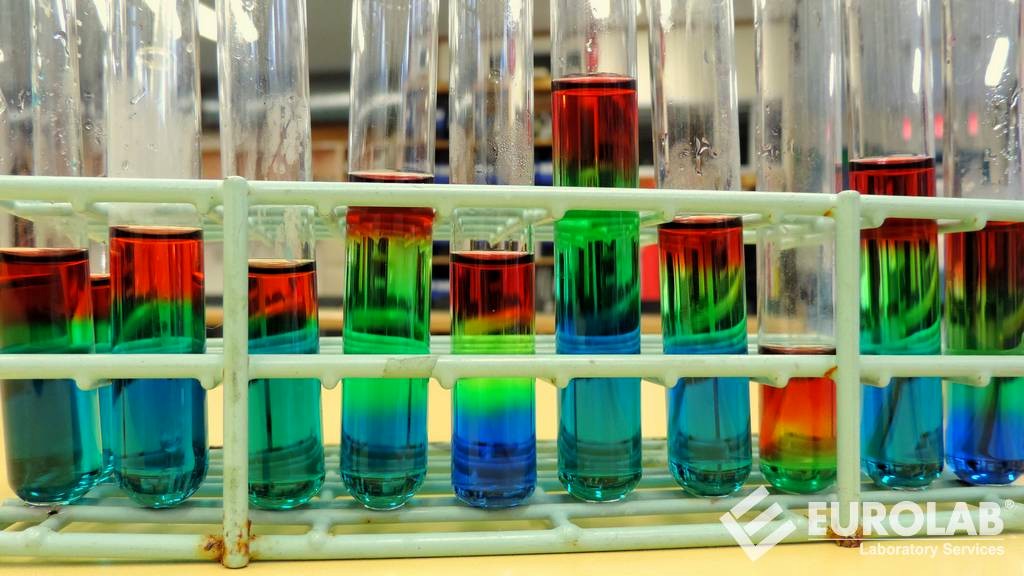
ASTM D2807-17a Standard Test Method for Chromium Oxide in Leather (Perchloric Acid Oxidation)

The perchloric acid method is applied to ash obtained by the method described in the standard “ASTM D2617-17 Standard test method for total ash on leather”. In acid digestion, the remaining organic matter is destroyed and chromium is oxidized to the hexavalent state. During dilution, chromium is titrated volumetrically with thiosulfate or iron salt. The perchloric acid method requires less manipulation than procedures based on fusion of ash, but caution should be exercised because of the potential hazards in the use of this reagent. The perchloric acid method also tends to give low results.

The procedure described is specific for chromium in leather. Vanadium is the only common interfering element and is rarely present in large quantities. The sensitivity and accuracy of the methods is generally at least as good as sampling the leather itself. The chromium content of the leather is related to the degree of tanning achieved and may therefore be a feature of the leather purchase. The procedure described provides sufficient accuracy for this purpose.

The primary equipment used in these tests is the potentiometric titration apparatus. This equipment also uses an alternative method to titrate hexavalent chromium (Cr6+) with ferrous ammonium sulfate solution. This apparatus consists of:

  • Mixer
  • Calomel and platinum electrodes
  • Potentiometer: Several devices will suffice. The most useful common feature of these devices is a zero-point device (a cathode ray electron tube or galvanometer) that will indicate the sudden change in potential when the endpoint is reached.

In performing titration, the electrodes are immersed in the sample, the solution is agitated by a stirrer, and the potential is balanced by a galvanometer or cathode ray tube. The titrant is added dropwise until a sharp and permanent change in potential occurs.

The reagents used in these tests are:

  • Purity of reagents: Reagent grade chemicals should be used in all tests. Unless otherwise specified, all reagents are intended to conform to the specifications of the American Chemical Society Committee on Analytical Reagents, where such specifications exist. Other grades may be used, provided it can be assured that the reagent is of sufficiently high purity to permit its use without diminishing the accuracy of the determination.
  • Purity of water: Unless otherwise stated, the term water shall be understood to mean distilled water or water of equal purity.
  • Ferrous ammonium sulfate, standard solution: 39,21 g of ferrous ammonium sulfate is dissolved in water, add 25 mL of sulfuric acid and diluted to 1 L.
  • Nitric acid: Concentrated nitric acid.
  • Perchloric acid (60 percent): 70 percent or 72 percent perchloric acid can be substituted but is slightly more hazardous in storage.
  • 1,10-Phenanthroline-iron sulfate solution
  • Phosphoric acid (40 percent): Dilute 85 mL of 45 percent phosphoric acid to 100 mL with water.
  • Potassium iodide solution (10 percent): Dissolve 10 g of potassium iodide in 100 mL of water.
  • Sodium thiosulfate, standard solution: 24,85 g of sodium thiosulfate is dissolved in pre-boiled water, 1 g of sodium carbonate is added and diluted to 1 L.
  • Starch indicator solution: Prepared according to accepted procedures found in analytical handbooks.
  • Sulfuric acid: Concentrated sulfuric acid.

This testing method involves several hazards:

  • Improper use of sulfuric acid can lead to violent and serious explosions.
  • The precise procedures given must be followed and digestates, once started, must be kept away from possible contact with other organic matter and never allowed to boil dry.
  • All spills containing sulfuric acid should be washed with water. Rags, sawdust, and other organic materials should never be used to clean up spilled acid.
  • A dedicated perchloric acid hood must be used for perchloric acid digestions, equipped with washing facilities and constructed entirely of non-porous inorganic material.
  • Perchloric acid bottles should be stored on a ceramic tray or shelf and never on a wooden or permeable shelf. It is recommended to have only one 0,45 kg acid bottle in the work area.

Among the numerous testing, measurement, analysis and evaluation studies that our organization has carried out for businesses in various sectors, it also provides testing services defined in the standard “ASTM D2807-17a Standard test method for chromic oxide in leather (perchloric acid oxidation)” with its trained and expert staff and advanced technological equipment.

WhatsApp

