

The “DIN 18035-7 Sports fields – Part 7: Synthetic turf fields” standard, published by the German Institute for Standardization (DIN), is part of the broader DIN 18035 standard series covering planning, construction, materials, testing and maintenance requirements for various outdoor sports facilities and playing surfaces in Germany.
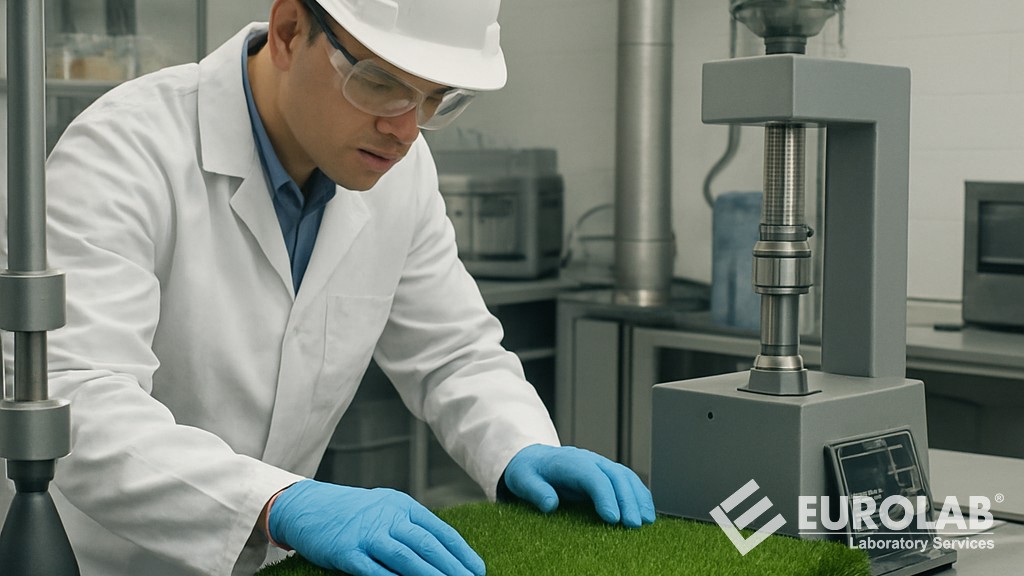
The DIN 18035-7 standard applies specifically to outdoor synthetic turf (artificial grass) systems, whether they are filled (with filler materials such as sand, rubber granules, or organic alternatives) or unfilled/unfilled pile surfaces. This standard defines the following requirements:
This standard complements, and in some respects even surpasses, the European harmonized standard “DIN EN 15330-1 Surfaces for sports fields - Synthetic turf and pin-punched surfaces intended primarily for outdoor use - Part 1: Specification for synthetic turf”, which focuses more on the turf product itself. The DIN 18035-7 standard adds important national requirements, particularly for German sports facility projects, concerning sub-bases, elastic layers, installation, and overall system performance.
This standard classifies synthetic turf systems into various surface types, generally labeled A to J or similar. These types differ in the following ways:
Approximately 15 technical criteria are evaluated to determine a type, including:
Regular maintenance is clearly necessary to maintain the system's sporting, functional, and protective properties throughout its lifespan.
In Germany, public sports facilities, school grounds, clubs, and municipal projects very frequently refer to the DIN 18035-7 standard (along with the DIN 18035-6 standard for polymeric sports surfaces) as a binding technical specification for tendering, planning approval, funding eligibility, and quality certification.
This ensures that synthetic pitches provide consistent, all-weather playability and minimize the risk of injury. This is a critical factor for a country with high community and amateur sports usage.
In short, the DIN 18035-7 standard is a German technical standard that specifies the requirements for outdoor synthetic turf sports surfaces commonly used for football, hockey, American football, tennis, school sports, and other athletic activities. This standard is particularly applicable to synthetic (artificial) turf systems with a pile surface, with or without infill, used outdoors.
The main objectives of the DIN 18035-7 standard are as follows:
The structure of this standard generally covers the following areas:
The DIN 18035-7 standard complements the DIN EN 15330-1 standard, which is the primary accepted specification for synthetic turf sports surfaces in Europe.
Synthetic turf systems are widely used due to their year-round availability, durability, and relatively low maintenance requirements compared to natural grass. Standards such as DIN 18035-7 help ensure these pitches are safe, fit for purpose, and environmentally friendly, especially where they are heavily used in competitive sports, community recreation, and training settings.
In conclusion, the DIN 18035-7 standard is a key technical standard in sports field construction and materials engineering, providing guidance on how synthetic turf fields should be designed, constructed, and evaluated. This standard reflects ongoing developments in sports surface technology and is aligned with broader European standards to ensure uniformity and quality across facilities.
The filling materials for synthetic turf fields are defined in the following subcategories:
For many years, our organization, with its competent and experienced staff, has been understanding the needs of its clients, providing the advanced testing services they require, and assisting them in the establishment, implementation, and improvement of management systems. Within this framework, we also provide testing services to businesses in accordance with the "DIN 18035-7 Sports fields - Part 7: Synthetic turf fields" standard.
To get an appointment, to get more detailed information or to request an evaluation, you can ask us to fill in our form and reach you.

