

In the TS 11900 standard published by the Turkish Standards Institute (TSE), two different test methods are described to determine the resistance of elastic floor coverings to extinguished and lit cigarettes.
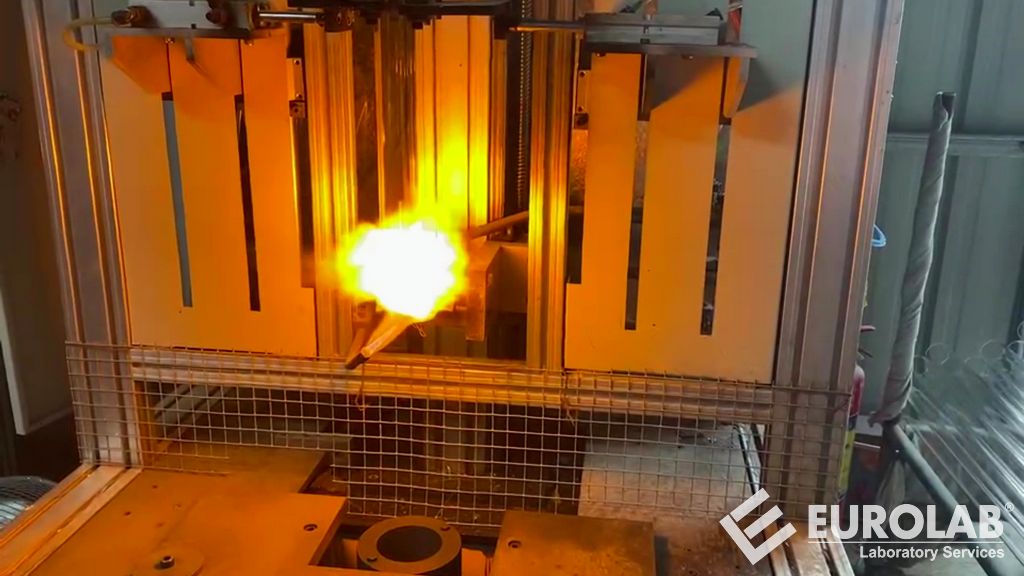
This standard was prepared based on the European standard EN 1399 (EN 1399 Flexible floor coverings - Determination of resistance to cut and burning cigarettes). This standard defines two test methods for determining the resistance of flexible floor coverings to persistent and burning cigarettes.
Resilient floor coverings are highly engineered sheet and tile products made to withstand heavy use in a variety of commercial and residential environments. Different environments require different floors. Resilient flooring is produced in many styles and materials, with a range of performance qualities, and is known for being easy to maintain, hygienic and comfortable underfoot.
The main benefits of resilient flooring are: better traction and lower risk of slip and fall accidents, lower cost to replace damaged sections, less fatigue and greater comfort for walking people, and lower noise from foot traffic.
The purpose of fire safety is to provide effective firefighting to prevent the spread of fires and, in the event of a fire, to prevent injury and loss of life. For this reason, the use of easily flammable building materials in buildings is avoided. In this regard, tests in accordance with standards such as EN 1399 (TS 11900) are required.
The two test methods defined in EN 1399 (TS 11900) standards are:
Our organization, among the numerous test, measurement, analysis and evaluation studies it provides for businesses in various sectors, also provides test services for the determination of the resistance of extinguished and burning cigarettes of resistant floor coverings within the scope of TS 11900 standard, with its trained and expert staff and advanced technological equipment.
To get an appointment, to get more detailed information or to request an evaluation, you can ask us to fill in our form and reach you.

