

A material thickness is determined by the viscosity of the material used and the experimental measurement conditions applied. Combining the material thickness with the material type is the most logical way to describe the material. Businesses have to consider the thickness, stress, fatigue and assembly condition of a manufactured part.
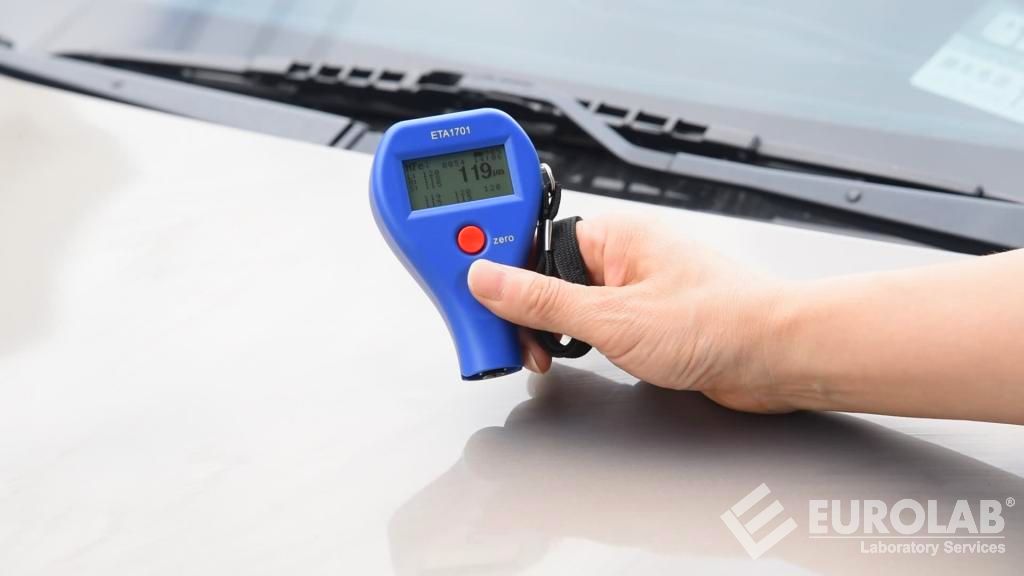
In industry, thickness gauges are used to measure the thickness of a material. In many industries such as oil, gas, aerospace, automotive, pharmaceutical, food processing and manufacturing, thickness measurements are considered essential as part of quality control. Thickness gauges are commonly used in a variety of applications involving wood, composites, metals, fiberglass, ceramics, glass, concrete, plastic, foam products, paint and other non-metallic materials.
The increasing use of automation and continuous advancements in manufacturing sectors have increased the demand for the use of gauging systems to improve material properties such as strength, dimensional accuracy, flatness, surface, and formability . The use of thickness gauges has become popular because ultrasonic is a non-destructive technique. This method has become a viable alternative to destructive methods for measuring the thickness of a material.
Ultrasonic thickness gauges use sound waves to non-destructively measure thickness. Some conventional thickness gauges are limited to reading on steel and aluminum panels. Ultrasonic gauges are used to measure the thickness of metallic and non-metallic materials such as steel, plastic and glass. With this method, the installation is scanned to detect corrosion and weak points that will cause problems if not repaired.
The thickness gauges used today are simplified and advanced instruments that are more accurate than before. Manufacturers decide how to use existing equipment for part quality and cost control, based on coating type, thickness range, substrate material, and part size and condition. Today, magnetic measurement, ultrasonic coating thickness measurement and eddy current measurements are commonly performed. Today, many companies avoid the use of destructive tests in their quality programs and use the ultrasonic method because it is more time efficient. Ultrasonic thickness gauges are also replacing destructive measuring techniques for concrete, wood and plastic applications.
Our organization also provides thickness analysis services with its trained and expert staff and advanced technological equipment, among the numerous test, measurement, analysis and evaluation studies it provides for businesses in various sectors.
To get an appointment, to get more detailed information or to request an evaluation, you can ask us to fill in our form and reach you.

