

The standard “ISO 21534 Non-active surgical implants - Joint replacement implants - Specific requirements” developed by the International Organization for Standardization (ISO) describes specific requirements for total and partial joint replacement implants, artificial ligaments and bone cement. For the purposes of this international standard, artificial ligaments and their associated fixation devices are referred to as implants.
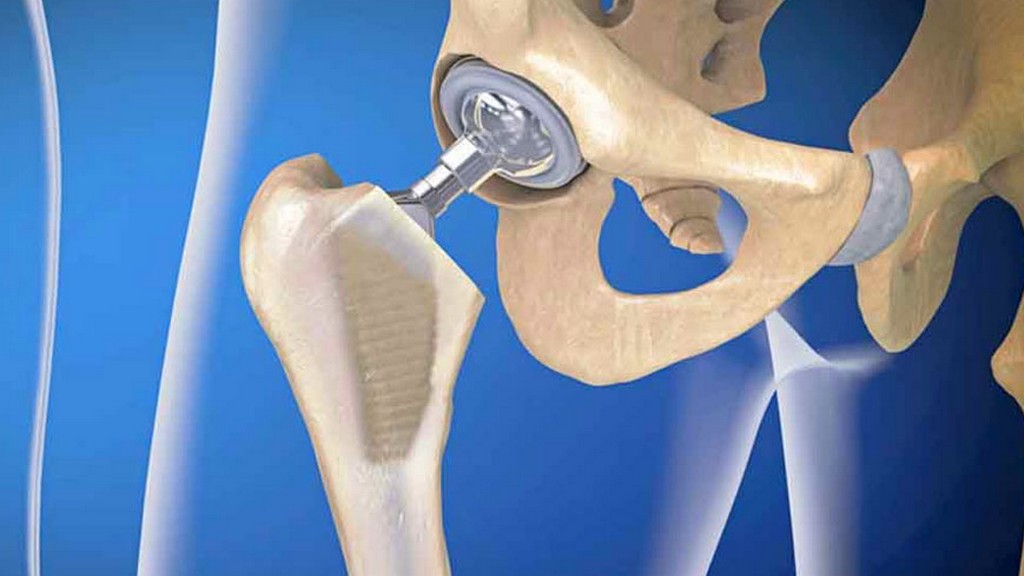
This standard includes requirements for design attributes, materials, design evaluation, manufacturing, sterilization, packaging and information for the performance intended by the manufacturer.
For the purposes of this standard, the following definitions apply, along with the terms and definitions in ISO 14630:
For the purposes of this international standard, the intended performance of implants should be in accordance with ISO 14630 and the design input should also address:
The clinical indications and contraindications for use of a particular implant are complex and should be reviewed by surgeons based on their personal judgment and experience when selecting implants to be used for particular patients.
The life of an implant depends on the interaction of several factors. Some of them are the responsibility of the manufacturer, some, for example, the implantation technique, are the responsibility of the operating surgeon, and some are related to the patient, for example, the biological and physiological response to the implant, the patient's medical condition, the patient's behavior regarding increasing body weight, carrying heavy loads and adopting high levels of physical activity.
The development of design features to meet the manufacturer's intended performance must comply with the requirements of the ISO 14630 standard, and the following points must also be taken into account:
Methods for assessing wear on joints and other surfaces are prescribed in standards such as ISO 14242-2, ISO 14243-1 , ISO 14243-2, and ISO 14243-3. More specific requirements, such as hip joint replacements, may appear in other standards.
The articular surfaces of metallic or ceramic components of total joint replacements intended to articulate on ultra-high molecular weight polyethylene (UHMWPE) should have a surface roughness value not greater than 0,1 µm.
The articular surface of metallic or ceramic components of partial joint replacements should have a surface roughness value not greater than 0,5 µm.
The joint surface of convex spherical conformal metallic or ceramic components of total joint replacement parts intended to articulate on UHMWPE shall have a surface roughness not greater than 0,05 µm and a radial separation value for sphericity not greater than 10 µm.
Among the numerous tests, measurements, analyses and evaluations that our organization has carried out for businesses in various sectors, it also provides testing services defined in the “ISO 21534 Non-active surgical implants - Joint replacement implants - Special requirements” standard with its trained and expert staff and advanced technological equipment.
To get an appointment, to get more detailed information or to request an evaluation, you can ask us to fill in our form and reach you.

