Characterization Analysis of the Material (Inorganic, Organic, Polymer Compounds)
Polymer characterization is an analytical branch of polymer science. This branch of science is concerned with the characterization of polymeric materials at various levels. Characterization generally aims to improve the performance of the material. Therefore, many characterization techniques are mainly related to the desired properties of the material such as strength, impermeability, thermal stability and optical properties. Characterization techniques are generally used to determine molecular mass, molecular structure, morphology, thermal properties and mechanical properties.
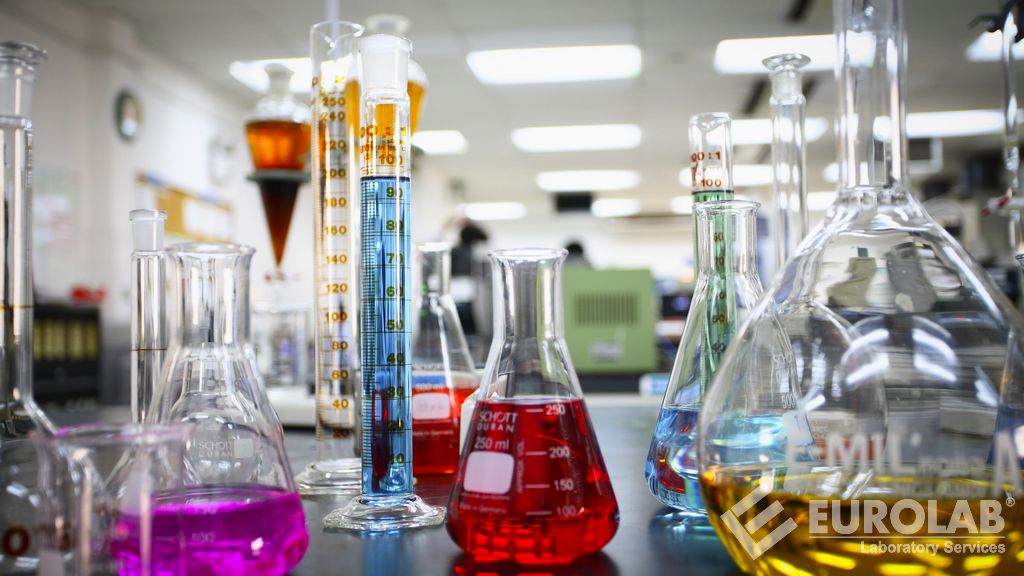
- The molecular mass of a polymer is unlike any other molecule because polymerization reactions affect the molecular weights and distribution of shapes. A few commonly applied methods to detect these parameters are colligative property measurements, static light scattering techniques, viscometry, and size exclusion chromatography. Among them, gel permeation chromatography, a type of size exclusion chromatography, appears to be a particularly useful technique.
- As for the molecular structure. Most of the analytical techniques applied to determine the molecular structure of unknown organic compounds are also used in polymer characterization. Spectroscopic techniques such as ultraviolet-visible spectroscopy, infrared spectroscopy, nuclear magnetic resonance spectroscopy, X-ray diffraction and mass spectrometry are used to identify common functional groups.
- Polymer morphology is a microscale property largely determined by the amorphous or crystalline segments of polymer chains and their effects on each other.
- The real technique for polymer characterization in determining thermal properties is differential scanning calorimetry, in particular. Changes in the compositional and structural parameters of the material often affect the melt transitions or glass transitions, which are linked to many performance parameters. Thermal analysis techniques are generally combinations of basic techniques and include differential thermal analysis, thermomechanical analysis, dynamic mechanical thermal analysis and dielectric thermal analysis.
- Characterization of mechanical properties in polymers is typically based on the strength, elasticity, and viscoelasticity of a polymeric material. represents a measure. The mechanical properties of a polymer are highly dependent on the interactions of the polymer chains and the ability of the chains to elongate and align in the direction of the applied force. In general, polymeric materials are characterized as elastomers, plastics or rigid polymers, depending on their mechanical properties.
Our organization also provides material characterization analysis (inorganic, organic, polymer compounds) services with its trained and expert staff and advanced technological equipment, among the numerous test, measurement, analysis and evaluation studies it provides for businesses in various sectors.



