

The “BS 7959-1 Materials used in the control of liquid spills” standard, developed by the British Standards Institute (BSI), consists of the following sub-sections published under the same title:
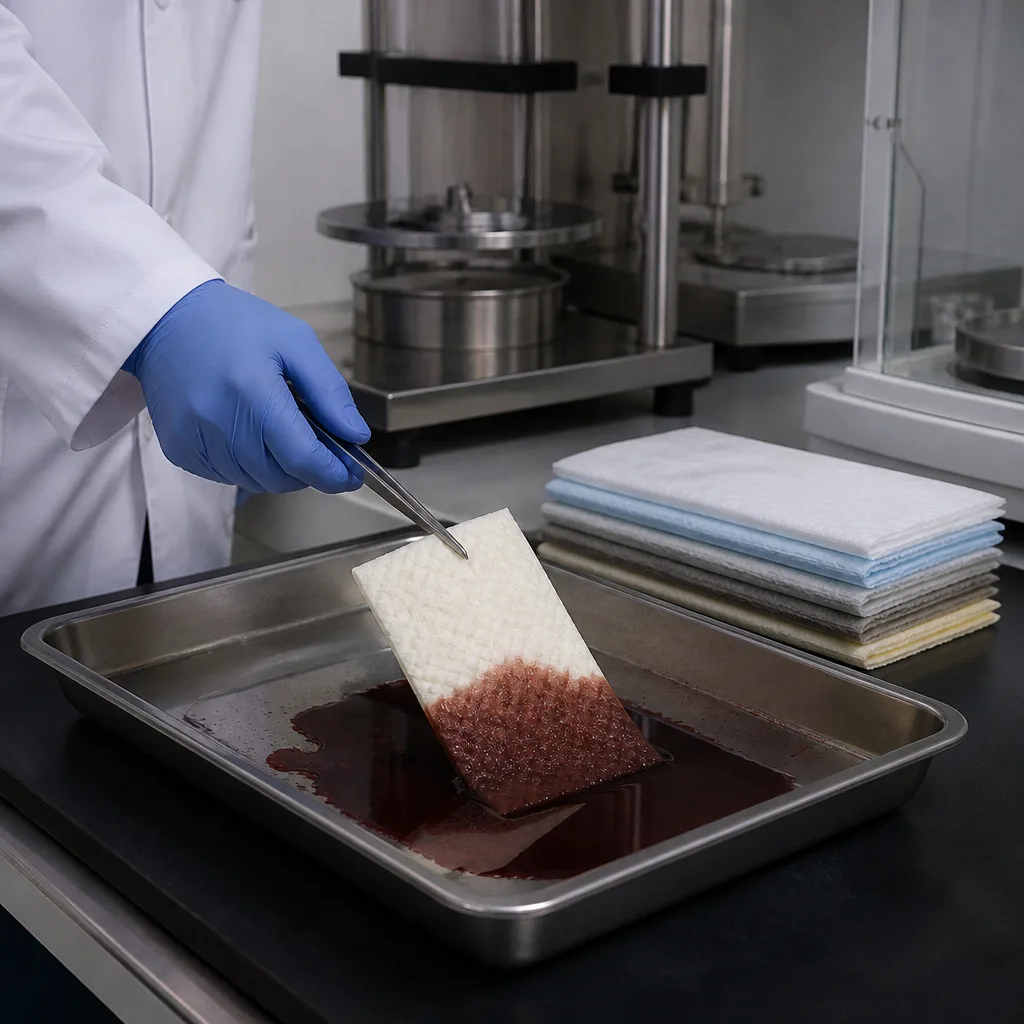
This standard describes methods for determining the sampling and absorbency properties of materials used for liquid spill control. Various materials with different compositions and formats are used in this application, and for the purposes of this standard, the following categories are employed.
The methods are applicable to all types of absorbent materials.
This standard also includes a test (swelling rate test) to distinguish between absorbent and adsorbent materials.
The BS 7959-1 standard outlines the requirements and test methods for coated fabrics used in automotive interior upholstery applications, particularly regarding abrasion resistance. It is widely referenced in the automotive industry for evaluating the durability and abrasion performance of materials such as synthetic leather, vinyl, and coated textiles.
The primary purpose of this standard is to ensure that interior materials used in vehicles can withstand mechanical wear over time. Interior surfaces such as seats, door panels, armrests, and instrument panels are subjected to repeated friction from passengers, clothing, and daily use. This standard provides a controlled method to simulate this type of wear and evaluate material performance.
The BS 7959-1 standard applies to the following:
Typical applications include:
This standard describes a laboratory wear test:
The results help determine the material's wear resistance level.
The key parameters measured are as follows:
In conclusion, the BS 7959-1 standard plays a critical role in ensuring the quality, durability, and reliability of automotive interior materials. By providing a standardized approach to wear testing, it helps manufacturers produce interiors that remain visually appealing and structurally sound throughout the life of the vehicle.
This standard is designed to provide a more comprehensive assessment of material performance, particularly in the following situations:
This ensures that coated fabrics not only meet basic abrasion resistance requirements but also perform well against various mechanical stresses.
The BS 7959-2 standard applies to the following:
Typical automotive uses include:
This standard describes alternative wear or tear simulation techniques, including:
The test evaluates how the material behaves under more complex and realistic usage scenarios compared to standard wear tests.
Materials tested under this standard are evaluated in the following respects:
In conclusion, the BS 7959-2 standard is a key part of the BS 7959 series, providing advanced test methodologies for coated fabric durability. This allows automotive manufacturers to evaluate materials under more realistic and challenging conditions, ensuring that vehicle interiors remain durable, functional, and visually appealing throughout their lifespan.
The primary aim of this standard is to evaluate how coated materials respond to real-world mechanical damage beyond simple abrasion. Automotive interiors are exposed not only to friction but also to:
This standard helps to simulate such conditions and evaluate material strength and surface integrity. This standard applies to:
Typical applications in vehicles include:
This standard offers specialized mechanical tests that go beyond traditional wear testing. For example,
During and after testing, the material is examined from the following perspectives:
The BS 7959-3 standard focuses on the following points:
In conclusion, the BS 7959-3 standard plays a crucial role in evaluating the resistance of coated fabrics to scratching, abrasion, and localized damage. By addressing real-world mechanical impacts, it complements previous sections of this standard and ensures that automotive interiors remain durable, attractive, and high-quality throughout their lifespan.
For many years, our organization, with its competent and experienced staff, has been understanding the needs of its clients, providing the advanced testing services they require, and assisting them in the establishment, implementation, and improvement of management systems. Within this framework, we also provide testing services compliant with the BS 7959 standard.
To get an appointment, to get more detailed information or to request an evaluation, you can ask us to fill in our form and reach you.

