SES N 3115 High Strength Steel Plates
The “SES N 3115 High-strength steel plates” standard, developed by Suzuki Motor Corporation within the scope of metallic material standards, describes the requirements for high-strength steel plates used in automotive structures.
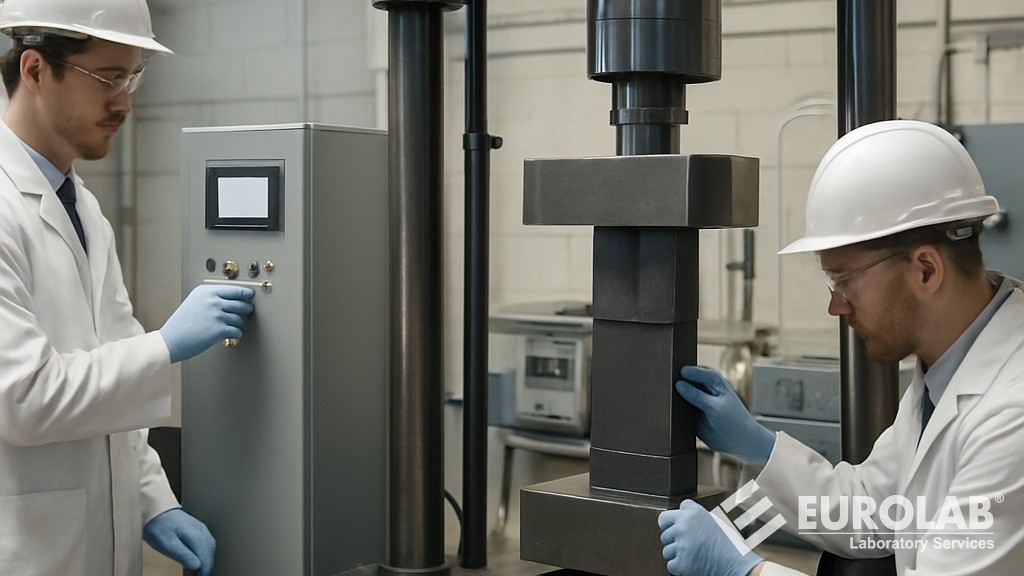
High-strength steel plates are widely used in the automotive industry because they provide high strength with low weight, which is critical for safety, efficiency, and performance. High-strength steel plates are used in automotive manufacturing in the following ways:
- Structural components (body): High-strength steel plates are used extensively in the main structure of the vehicle.
- Chassis frames
- Door impact beams
- Poles (Poles A, B, C)
- Ground reinforcements
- Roof rails
These parts require the following:
- High load-bearing capacity
- Resistance to deformation during collisions.
- High strength
- Good fatigue resistance.
- Reliable sourcing capability
- Collision safety components: These are important in areas designed to absorb or resist impact:
- Side impact beams (doors)
- Bumpers and reinforcement bars
- Impact zones
The benefit of these components is that they enhance passenger safety by absorbing energy or maintaining cabin integrity.
- Lightweight design (fuel efficiency): Automobile manufacturers achieve this by replacing traditional mild steel with high-strength steel plates.
- Reducing the thickness of the parts
- To maintain or improve strength
Result:
- Lower vehicle weight
- Better fuel economy or longer electric vehicle range
- Shaped and stamped parts: High-strength steel plates are processed using the following methods:
- Cold stamping
- Hot stamping (press curing)
Usage areas:
- Complexly shaped body panels
- Reinforced structural components
- Suspension and reinforcement components: Areas of application:
- Control levers
- Subframes
- Cross elements
This is because it provides high fatigue resistance and durability under dynamic loads.
- Hot-stamped (press-hardened) components: A very important modern application. Steel is heated and then shaped in a die, making the steel ultra-strong.
Typical parts:
- Door knockers
- B columns
- Safety cages
The automotive industry uses high-strength steel for the following reasons:
- Safety: Provides high impact resistance.
- Weight reduction: Thinner materials are possible.
- Cost efficiency: It is cheaper than aluminum/carbon fiber.
- Manufacturability: Compatible with existing pressing processes.
- Durability: Exhibits high fatigue resistance.
In short, the Suzuki SES N 3115 standard ensures that steel plates used in vehicle manufacturing meet the following strict criteria:
- Mechanical strength
- Moldability
- Weldability
- Durability
High-strength steels are crucial in modern vehicles where weight reduction and crash safety need to be balanced.
The SES N 3115 standard generally covers the following:
- Hot-rolled or cold-rolled high-strength steel sheets
- Materials used in automotive structural parts.
- Steel grades with improved tensile and yield strength.
These materials are commonly used in:
- Body skeleton structures
- Reinforcements and safety components
- Chassis and subbody parts
High-strength steel material properties include:
- Mechanical properties: High-strength steel plates, as defined in this standard, generally exhibit the following:
- High yield strength (for resistance to deformation)
- High tensile strength (to withstand loads)
- Good elongation (for shaping processes)
For reference, high-strength steels are generally in the following range:
- 270 MPa - 700 MPa (high-strength steel)
- At least 700 MPa (ultra-high strength steel)
- Chemical composition: High-strength automotive steels typically contain the following:
- Carbon: Increases strength.
- Manganese: Increases satiety.
- Silicon: Increases strength.
- Microalloying elements (niobium, titanium, vanadium): Provide grain refinement.
These components are carefully controlled to ensure a balance between them:
- Resistance
- Weldability
- Moldability
- Production and processing requirements: This standard defines production conditions such as:
- Hot rolling or cold rolling processes
- Heat treatment (if necessary)
- Surface quality requirements
Steel plates must be suitable for the following:
- Stamping
- Bending
- Deep draw
- Testing and quality requirements: This standard includes the following rigorous testing methods:
- Mechanical tests:
- Tensile strength test
- Yield strength measurement
- Elongation test
- Surface and dimensional inspection:
- Thickness tolerance
- Surface defects (cracks, flaking, inclusions)
- Weldability and formability tests:
- Spot welding performance
- Bending tests
The Suzuki SES N 3115 standard is critical because it ensures the following:
- Collision safety: High-strength steel improves energy absorption and passenger protection.
- Weight reduction: Enables the use of thinner materials. Reduces vehicle mass and provides better fuel efficiency.
- Production consistency: Ensures standardized material quality among suppliers. Demonstrates reliable forming and welding performance.
Although the SES N 3115 standard is specific to Suzuki, it is conceptually compatible with the following international standards:
- JIS G 3113 Automotive structural steel plates
- JIS G 3115 High-strength steel plates for pressure applications.
In short, high-strength steel plates are used in automotive applications to strike a balance between safety, weight, and cost. They enable manufacturers to produce vehicles with the following characteristics:
- Safer vehicle structures.
- Lightweight design strategies
- Consistent production quality.
- More fuel efficient
- Structurally stronger
In conclusion, the Suzuki SES N 3115 standard plays a crucial role in ensuring that high-strength steel plates used in automotive manufacturing meet stringent performance and safety requirements.
For many years, our organization, with its competent and experienced team, has been understanding the needs of its clients, providing the advanced testing services they require, and assisting them in the establishment, implementation, and improvement of management systems. Within this framework, we also provide testing services compliant with the SES N 3115 standard.



