SES N 3127 Galvanized Steel Materials
Developed by Suzuki Motor Corporation as part of its standards for cast iron and iron-based materials, the “SES N 3127 Galvanized Steel Materials” standard describes the technical requirements for galvanized steels (zinc-coated steels) used in the automotive industry. This standard was specifically developed for sheet and strip materials with high corrosion resistance.
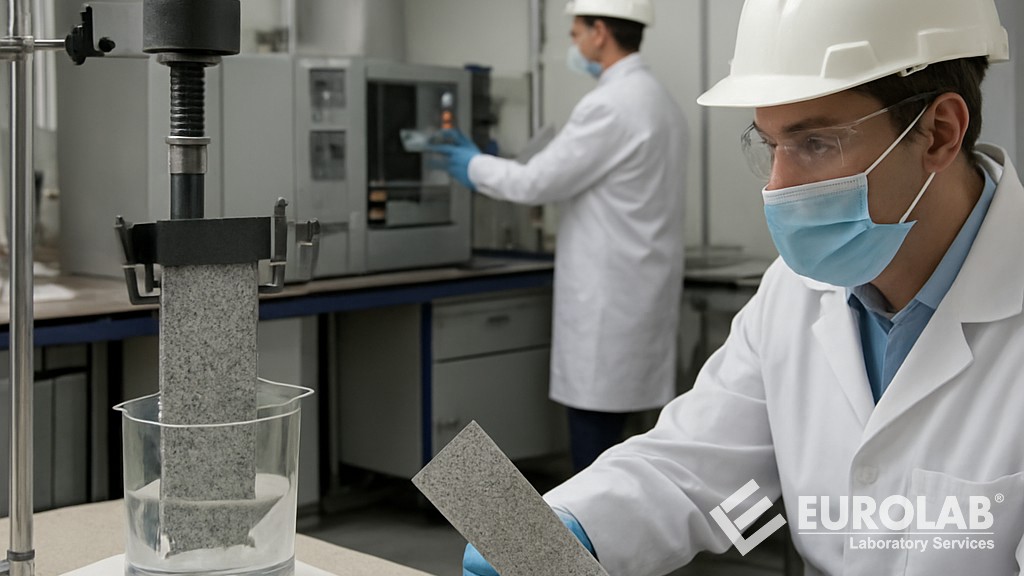
In the automotive industry, the use of galvanized steel materials is about protecting steel parts from corrosion while maintaining strength, formability, and cost-effectiveness.
In vehicles, galvanized steel is commonly used in areas exposed to moisture, road salt, and environmental conditions:
- Fuselage (BIW)
- Door panels
- Ceiling panels
- Hood (engine cover)
- Side panels
These parts typically use electro-galvanized or hot-dip galvanized steel for a smooth, paintable surface.
- Lower body and structural components:
- Base panels
- Chassis reinforcements
- Cross elements
Thicker hot-dip galvanizing coatings are generally used for greater corrosion resistance.
- Covers and outer panels:
- Trunk lids
- Mudguards
Requirements:
- High surface quality
- Good moldability
- Excellent paint adhesion.
- Functional components:
- Fuel tanks
- Seat structures
- Battery housings (especially for electric vehicles)
In manufacturing, galvanized steel is used in the following ways:
- Material selection: Engineers choose the basic steel grade (mild, high-strength low-alloy steel or advanced high-strength steel). For coating type, better corrosion protection or better surface finish is preferred.
- Forming (stamping): Galvanized steel sheets are cold-formed using stamping presses. Applications include: deep drawing, bending, or stretch forming. The zinc coating must not crack or peel during forming.
- Combining: Common combining methods include:
- Spot welding (most common)
- Laser source
- Joining with adhesive
- Mechanical connection
Zinc plating affects the welding process in the following ways:
- It requires adjustment of the electrode design according to the current.
- It prevents burning and increases durability.
- Surface treatment and painting: Although corrosion-resistant, galvanized steel is still painted.
- Phosphating (surface preparation)
- E-coating (electrophoretic coating)
- Primer and topcoat paint
Zinc improves the following:
- Paint adhesion
- Long-term corrosion resistance
The performance advantages of galvanized steel materials are as follows:
- Corrosion protection:
- Zinc acts as a protective layer.
- It protects even if it gets scratched.
- Extending vehicle lifespan:
- It prevents rust in critical areas.
- It meets 10-15 year corrosion protection guarantees.
- Relief support:
- It allows the use of thinner steel with the same durability.
- Cost efficiency:
- It is cheaper than aluminum or stainless steel.
When designing with galvanized steel materials, engineers should consider the following:
- Coating thickness:
- Its thinness results in poor corrosion resistance.
- Its excessive thickness causes shaping and welding problems.
- Formability: Grades specified in the standard are preferred (e.g., advanced high-strength steels).
- Resource behavior:
- Zinc evaporation must be controlled.
- Appropriate electrode pressure and timing must be used.
- Edge protection: Cut edges are more vulnerable and require sealing or painting.
In automotive production, galvanized steel is generally inspected according to the following standards:
- Manufacturer specifications (e.g., SES N 3127 standard)
- EN 10346 standard
- JIS G 3302 standard
- ASTM A653 standard
In short, the SES N 3127 standard is a materials standard defined by Suzuki and covers the following topics:
- Galvanized (zinc-coated) steel sheets and strips.
- Coating types (such as hot-dip galvanizing, electro-galvanizing)
- Mechanical and chemical properties
- Surface quality and coating thickness
- Corrosion resistance tests
Suzuki standards are generally used to guarantee material quality, manufacturing consistency, and safety.
Galvanized steel is steel whose surface has been coated with zinc. The purpose is to prevent rusting (corrosion protection). Zinc protects the steel in two ways:
- Physical barrier
- Cathodic protection (zinc oxidizes first)
Technical specifications under the SES N 3127 standard:
- Coating types:
- Hot-dip galvanizing (the most common)
- Electro-galvanized (thinner and smoother surface)
- Zinc alloy coatings (e.g., zinc-iron)
- Coating thickness:
- It is generally expressed in g/m2 (e.g., Z100, Z140). As the thickness increases, corrosion resistance and cost also increase.
- Mechanical properties:
- Yield strength
- Tensile strength
- Elongation
- Moldability
- Surface quality: For automotive exterior surfaces:
- Smooth surface
- Paintability
- Coating homogeneity
- Tests:
- Salt spray test
- Coating adhesion test
- Bending test
- Thickness measurement
Galvanized steels conforming to the SES N 3127 standard are used particularly in the following areas:
- Fuselage (BIW):
- Kapilar
- Bonnet
- Mudguards
- Ceiling panels
- Chassis and structural components:
- Lower body parts
- Connectors
- Areas susceptible to corrosion:
- Fuel tank surroundings
- Subchassis
- Exhaust surround (some applications)
The main reasons why this standard is considered necessary are as follows:
- Corrosion protection guarantee: Prevents rust for the life of the vehicle. Meets warranty requirements.
- Global production harmonization: Establishes common quality standards for suppliers.
- Safety and durability: Ensures a long service life, even in thin sheet metal.
- Paint and coating compatibility: Provides a surface with high paint adhesion.
In conclusion, the SES N 3127 standard,
- It standardizes the use of galvanized steel in the automotive industry.
- It guarantees corrosion resistance, surface quality, and mechanical performance.
- It plays a particularly critical role in the vehicle body.
- Provides a smooth surface for painting.
- It provides long-term corrosion resistance.
- It balances cost and performance.
For many years, our organization, with its competent and experienced team, has been understanding the needs of its clients, providing the advanced testing services they require, and assisting them in the establishment, implementation, and improvement of management systems. Within this framework, we also provide testing services compliant with the SES N 3127 standard.



