SES N 3138 Aluminum Cast Alloys
Developed by Suzuki Motor Corporation as part of aluminum material standards, the “SES N 3138 Aluminum Casting Alloys” standard describes the requirements, composition, properties, and quality criteria for aluminum casting alloys used in automotive components. This standard is commonly used in Suzuki and related automotive specifications.
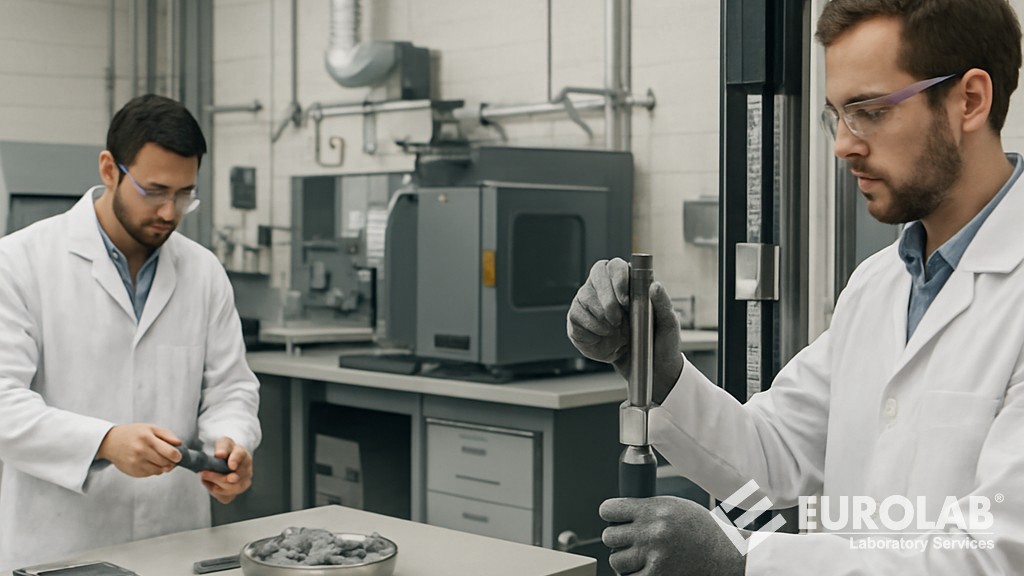
This standard focuses specifically on alloys designed for the following casting processes:
- Sand casting
- Gravity die casting
- High-pressure die casting
Aluminum casting alloys play a critical role in the modern automotive industry, enabling manufacturers to produce lightweight, complex, and high-performance components. As the demand for fuel efficiency, low emissions, and electric vehicle performance increases, aluminum castings have become a cornerstone of vehicle design and engineering.
Aluminum casting alloys are specially formulated materials that are melted, poured into molds, and solidified into the desired shapes. These alloys are designed to provide the following:
- High fluidity for complex geometries.
- Controlled solidification behavior
- Good mechanical and thermal properties.
The most commonly used alloy system is the aluminum-silicon system, known for its excellent casting properties.
The basic properties of aluminum casting alloys for automotive use are as follows:
- Lightweight performance: Aluminum is approximately three times lighter than steel, making it ideal for reducing vehicle weight and improving:
- Fuel efficiency
- Battery range (in electric vehicles)
- Ease of use and performance
- Excellent castability: Aluminum alloys can be formed into complex shapes with minimal machining, providing:
- Thin walls
- Integrated features
- Reduced number of parts.
- Thermal conductivity: High thermal conductivity makes these alloys ideal for:
- Engine components
- heat exchangers
- Electric vehicle battery housings
- Corrosion resistance: The natural oxide layer provides protection against corrosion and extends the life of the component.
Common alloy systems include:
- Aluminum-silicon alloys: This is the most commonly used alloy in automotive casting. Silicon improves:
- AkIşkanlIk
- Wear resistance
- Reduced shrinkage
Typical applications: engine blocks, cylinder heads
- Aluminum-silicon-magnesium: Heat treatable (e.g., T6 grade). Provides higher strength and ductility. Typical applications: structural components, suspension parts.
- Aluminum-silicon-copper: Exhibits high strength at high temperatures. Provides slightly lower corrosion resistance. Typical applications: engine parts, transmission housings.
In the automotive industry, casting processes generally include the following:
- High-pressure die casting: Molten aluminum is injected at high speed into steel molds. Ideal for mass production. Applications: gearbox housings, electric vehicle motor housings.
- Gravity casting: Metal is poured into permanent molds under gravity. It exhibits better mechanical properties than high-pressure casting. Applications: wheels, structural parts.
- Sand casting: A traditional method using sand molds. Suitable for large and complex parts. Applications: engine blocks, prototypes.
Aluminum casting alloys are used in a wide variety of automotive components:
- Powertrain: engine blocks, cylinder heads, pistons
- Chassis: suspension arms, subframes
- Body: structural nodes, collision components
- Wheels: lightweight alloy rims
- Electric vehicle components: battery housings, inverter housings
In modern automotive design, aluminum cast alloys offer the following advantages:
- Fuel efficiency and emissions: Weight reduction directly leads to lower fuel consumption and emissions.
- Electric vehicle optimization: Extends driving range. Improves battery thermal management.
- Design flexibility: Casting allows multiple parts to be integrated into a single piece, reducing the following:
- Assembly time
- Connectors
- Production costs
In conclusion, aluminum casting alloys have transformed the automotive industry by enabling lighter, more efficient, and highly integrated vehicle designs. As electric vehicles and sustainability continue to shape the future of transportation, these materials remain indispensable for achieving performance, efficiency, and environmental goals.
The SES N 3138 standard generally defines the following:
- Chemical composition: Limits for alloying elements:
- Silicone: Improves casting performance.
- Magnesium: Provides strengthening through heat treatment.
- Copper: Increases strength (but reduces corrosion resistance)
- Iron: Checked to prevent brittleness.
- Mechanical properties:
- Tensile strength
- Yield strength
- Elongation
- Hardness
These characteristics depend on the following:
- Casting method
- Heat treatment condition
- Casting quality requirements:
- Porosity limits
- Internal contribution control
- Surface quality
- Internal integrity (usually confirmed by X-ray or ultrasonographic examination)
- Heat treatment requirements: Some of the alloys covered by this standard are:
- Heat treatable (e.g., aluminum-silicon-magnesium): Improved strength.
- Not heat-treated: Used for simpler or less critical parts.
While the exact classes depend on the specification, the SES N 3138 standard typically includes the following:
- Aluminum-silicon alloys (most important): Key properties:
- Excellent pourability
- Good strength-to-weight ratio.
- It is widely used in the automotive industry.
- Aluminum-silicon-magnesium alloys: Heat treatable. Used for structural components.
- Aluminum-silicon-copper alloys: Exhibit higher strength at high temperatures. Used in engine components.
The SES N 3138 standard is considered important for the following reasons:
- It ensures consistent material quality: Aluminum casting involves many variables (melting temperature, cooling rate, mold design). This standard defines the following:
- Chemical composition limits
- Mechanical properties requirements
- Acceptable tolerances
- It prevents critical casting defects: This standard specifies the following:
- Examination criteria (e.g., X-ray, ultrasonography)
- Limits of fault tolerance
- It ensures the safety of automotive components: Many cast aluminum parts, including suspension components and engine parts, are critical to safety. This standard directly impacts passenger safety by providing predictable strength and durability.
- It supports mass production and global supply chains: Automotive manufacturing relies on numerous suppliers in different countries. This standard,
- It creates a common technical language.
- Ensures compatibility between original equipment manufacturers and suppliers.
- It reduces redesign and approval time.
- It controls heat treatment and performance: Some aluminum casting alloys require heat treatment to achieve the desired strength. This standard specifies the following:
- Heat treatment processes
- Required mechanical results
- It enables lightweight and efficient design: Automotive manufacturers rely on aluminum to reduce weight. This standard provides the confidence needed to replace heavier materials like steel.
For many years, our organization, with its competent and experienced team, has been understanding the needs of its clients, providing the advanced testing services they require, and assisting them in the establishment, implementation, and improvement of management systems. Within this framework, we also provide testing services compliant with the SES N 3138 standard.



