

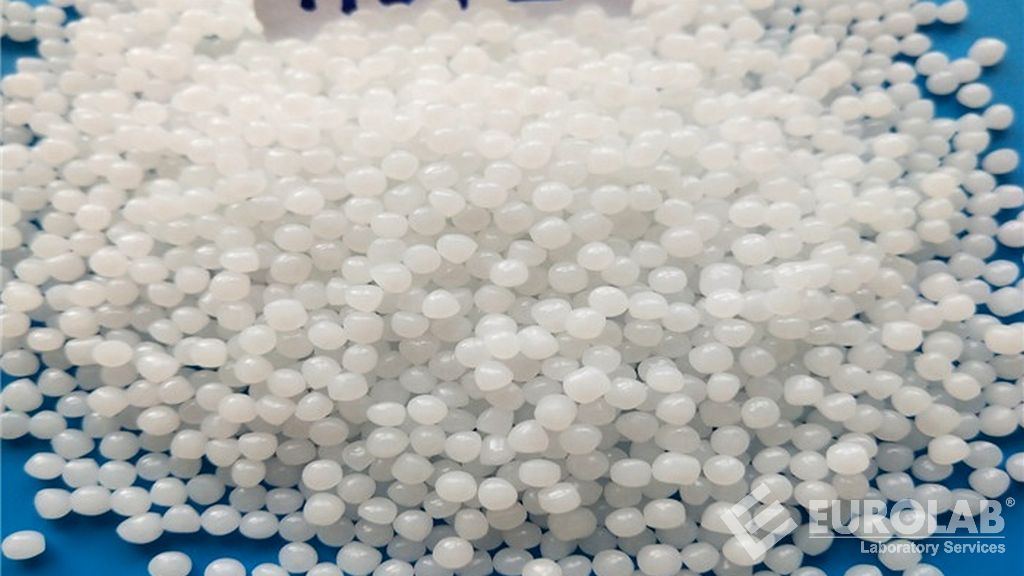
High-density polyethylene (HDPE) is a type of thermoplastic polymer made from petroleum. One of the most versatile plastic materials around, high-density polyethylene (HDPE) is used in a wide variety of applications, including plastic bottles, milk bottles, shampoo bottles, bleach bottles, cutting boards and tubing. Known for its exceptional tensile strength and great strength-to-density ratio, this type of plastic has high impact resistance and melting point.
Besides its use for food applications, it has unusual uses including:
High-density polyethylene (HDPE) materials used in the food industry are designed to be low-maintenance, safe and long-lasting. Its textured surfaces hold food securely and maintain food quality.
The main benefit of high-density polyethylene (HDPE) materials is that they can be naturally shaped. Thanks to its high melting point, HDPE maintains its hardness up to very high temperatures. Once it has reached its melting point, it can be molded quickly and efficiently for use in a variety of unique applications such as food storage containers, corrosion resistant tubing, and plastic lumber.
Low-density polyethylene (LDPE), on the other hand, is a soft, flexible and lightweight plastic material that is easy to manufacture and shape. This type of plastic is noted for its low temperature flexibility, toughness and corrosion resistance. Not suitable for applications where rigidity, high temperature resistance and structural strength are required. LDPE has good chemical and impact resistance. LDPE is a thermoplastic like HDPE. That is, it can change shape when exposed to heat and can change repeatedly without losing its overall strength or structure. However, LDPE has a less compact molecular structure than HDPE. That is, it has a lower density, a lower tensile strength and therefore more flexibility. As such, it finds many application areas.
Among the numerous tests, measurements, analyses, and evaluations our organization provides for businesses in various sectors, we also offer high-density polyethylene (HDPE) and low-density polyethylene (LDPE) plastic analysis services with our trained and expert staff and advanced technological equipment.
To get an appointment, to get more detailed information or to request an evaluation, you can ask us to fill in our form and reach you.

