

According to the “ISO 696 Surfactants – Measurement of foaming power – Modified Ross-Miles method” standard published by the International Organization for Standardization (ISO), the volume of foam formed after a 500 ml solution of the substance to be tested is poured from a height of 450 mm onto the surface of another solution is measured. This method is valid for all surfactants, but solutions of easily hydrolyzed substances do not yield reliable results because hydrolysis products accumulate in the liquid films and affect the stability of the foam.
For the purposes of this standard, the following terms and definitions apply:
For testing, the surfactant laboratory sample must be prepared and stored according to the procedures specified in the ISO 607 standard.
The ISO 696 standard defines a standardized test method for evaluating the foaming power (foaming capacity or foaming ability) of surfactants, which are essential components in detergents, shampoos, soaps, foaming cleaners, and many other chemical products.
This method is widely referenced in the chemical, detergent, and personal care industries to compare and characterize surfactants based on their foam-generating and stabilizing capabilities.
The essence of the ISO 696 standard is the Modified Ross-Miles method, a pouring test procedure developed in the 1940s and subsequently adapted into an international standard. In principle, a standardized surfactant solution (typically at a low concentration, e.g., 0,25% or as specified) is prepared in distilled water (or sometimes hard water). 200 ml of this solution is poured from a fixed height (usually 90 cm) through a narrow opening into a tall, graduated cylinder containing 50 ml of the same solution. The pouring process mechanically creates foam. The height of the foam column is measured immediately after pouring (initial foam height) and again after a specific time (usually 5 minutes) to assess foam stability. Results are reported as foam height in millimeters.
Temperature is typically controlled at 20 or 40 degrees Celsius, depending on the product application. This method measures the initial foaming power and foam persistence/stability.
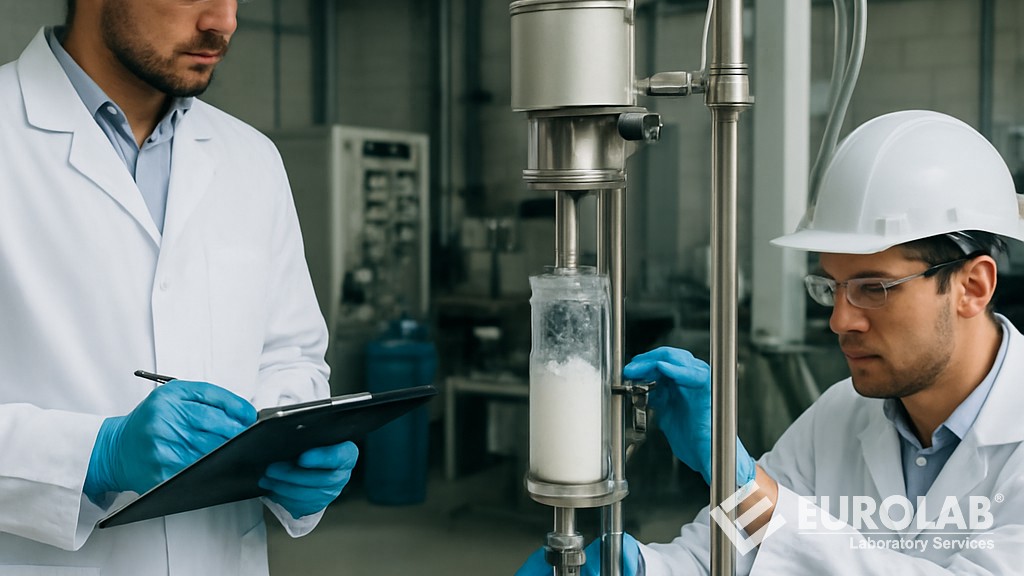
This test requires simple, repeatable, and relatively basic laboratory equipment (a dedicated Ross-Miles bulk testing machine or equivalent setup).
This method is applicable to most anionic, nonionic, cationic, and amphoteric surfactants. It is unreliable for solutions of substances that hydrolyze easily (e.g., some esters or compounds that decompose rapidly in water) as hydrolysis can distort the results. The test primarily measures foam volume/height, not foam quality (such as bubble size, creaminess, drainage rate, etc.).
Industry applications of this standard include:
For those working in surfactant chemistry, product development, or quality assurance, and for reproducibly evaluating foam performance, this standard offers one of the most established and internationally accepted procedures available.
In short, the ISO 696 standard provides a method for determining the foaming power of surfactants using a modified Ross-Miles method. This standard evaluates the following:
This method is widely used in industries where foam performance is critical, such as detergents, cosmetics, cleaners, and industrial formulations.
The modified Ross-Miles method measures foam formation as follows:
The changes made compared to the original Ross-Miles method primarily standardize the following:
The test setup typically includes the following:
The main parameters checked in the tests are as follows:
Strict control ensures reproducibility and comparability between laboratories.
The testing process generally follows these steps:
Two basic parameters are obtained:
Higher foam height indicates stronger foaming ability. Slower collapse indicates better foam stability.
The ISO 696 standard is particularly important in the following areas:
The advantages of this method are:
Foam properties are affected by the following:
In conclusion, the ISO 696 standard provides a consistent way to compare surfactant performance globally.
For many years, our organization, with its competent and experienced staff, has been understanding the needs of its clients, providing the advanced testing services they require, and assisting them in the establishment, implementation, and improvement of management systems. Within this framework, we also provide testing services compliant with the ISO 696 standard.
To get an appointment, to get more detailed information or to request an evaluation, you can ask us to fill in our form and reach you.

