

The standard “ASTM F1160-14 Standard test method for shear and bending fatigue testing of calcium phosphate and metallic medical and composite calcium phosphate/metallic coatings” developed by the American Society for Testing and Materials (ASTM) describes a test method for determining the shear and bending fatigue performance of calcium phosphate coatings and porous and non-porous metallic coatings and for determining the flexural fatigue performance of calcium phosphate-sprayed metallic coatings.
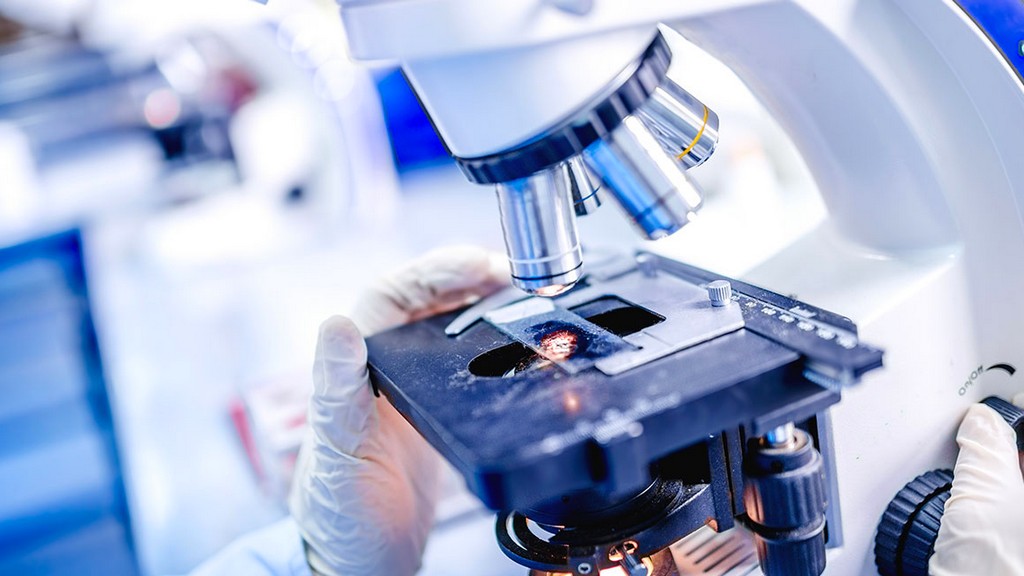
This test method was designed based on plasma-sprayed titanium and plasma-sprayed hydroxylapatite coatings. However, the effectiveness of this test method for other coatings has not been determined. In shear fatigue mode, this test method evaluates the adhesive and cohesive properties of the coating on a metallic substrate. In flexural fatigue mode, this test method evaluates both the adhesion of the coating and the possible effects of the coating on the substrate material. These methods are limited to testing in air at ambient temperature. These test methods are not intended for application in fatigue testing of components or devices, however, the test method that most closely mimics the actual loading configuration is preferred.
Shear and bending fatigue tests are used to determine the effects of material, geometry, surface condition, stress, and similar variations on the fatigue resistance of coated metallic materials subjected to direct stress for up to 10⁷ cycles. These tests can serve as a guide for the selection of coated materials for service under repeated stress conditions.
In order for these basic fatigue data to be comparable, repeatable, and relatable across laboratories, it is essential to establish uniform fatigue practices. Fatigue test results can be used for basic material property design. However, actual components should not be tested using these test methods.
The most common test used to determine the lateral load applied perpendicular to the face of a component is the shear test. In this test method, a bond tester performing the shear test applies a lateral load to the specimen and shears the bond from its surface. The choice between tensile or shear testing depends on the application and the test objectives.
The purpose of shear fatigue testing is to determine the adhesive or cohesive strength of a coating, or both. This test method is designed to allow the coating to fail at the coating and substrate interface, within the coating, or at the glue/coating interface between the coating and the adhesive bonding agent used to transmit the load to the coating.
The primary purpose of the bending fatigue test is to measure the effect of the coating on the substrate to which it is applied. Secondarily, it can be used to make a subjective assessment of coating adhesion, i.e., to determine flaking resistance, crack resistance, and similar effects. This test is designed primarily to provide a substrate fatigue strength as a basis for evaluating the effects of the coating on the resulting fatigue strength of the system.
The number of specimens required for testing and the test methods by which fatigue data can be interpreted may vary. Several test methods are used in this test method. The type of specimen used depends on the purpose of the test program, the type of equipment available, the equipment capacity, and the form in which the material is available. The specimen selected should be as close as possible to the intended application. The test frequency used should not exceed 170 Hz.
The test results obtained for shear fatigue specimens largely depend on the adhesive used and the curing method. The specimen assembly is placed in couplings such that the long axis of the specimen is perpendicular to the direction of the applied shear load passing through the centerline of the coupling assembly. Specimens in which the adhesive has penetrated the substrate are discarded, and the results are not included in the analysis and report.
For bending fatigue specimens, appropriate tests of the uncoated substrate material to which the coating will be applied should be performed to establish a basis for evaluating the coating's effectiveness. Alignment is crucial when mounting the specimen. Factors such as poorly machined specimens and misaligned machine parts can lead to excessive vibration and erroneous results. For rotary beam testing, no load is applied until the machine operates at the frequency required for testing. Any fracture occurring outside the dimension cross-section is rejected.
Among the numerous testing, measurement, analysis and evaluation studies that our organization has provided for businesses in various sectors, our organization also provides testing services defined in the standard “ASTM F1160-14 Standard test method for cutting and bending fatigue testing of calcium phosphate and metallic medical and composite calcium phosphate/metallic coatings” with its trained and expert staff and advanced technological equipment.
To get an appointment, to get more detailed information or to request an evaluation, you can ask us to fill in our form and reach you.

