

The standard “MBN 51000-3 Polymer-based materials, material systems and semi-finished products - Part 3: Thermal and climatic behavior” developed by the Mercedes Benz Group addresses the evaluation of materials used in automotive applications under thermal and climatic conditions, ensuring that they can withstand various environmental stresses over time. This standard is used by manufacturers such as Mercedes-Benz to ensure material quality and performance.
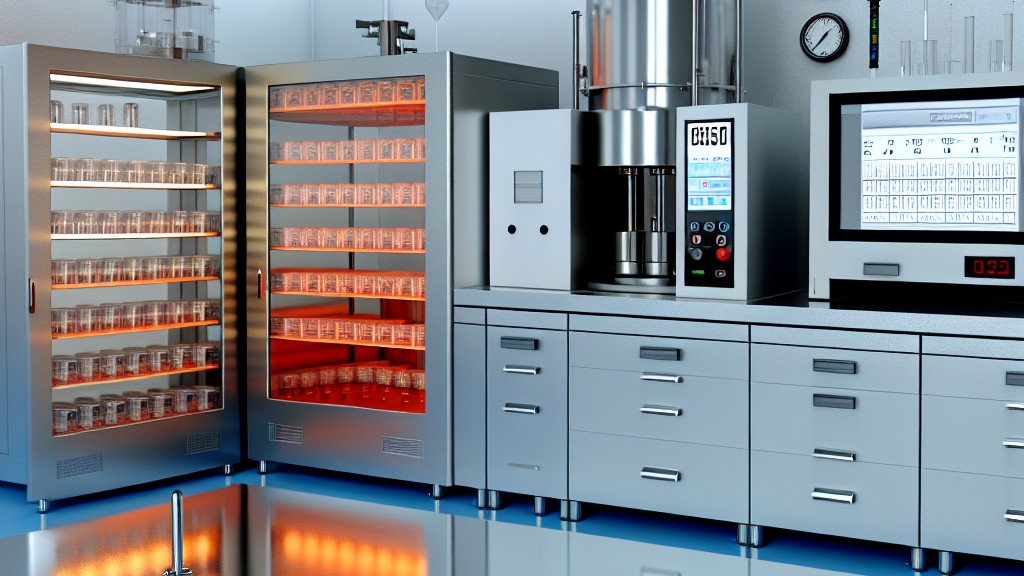
In the context of the MBN 51000-3 standard, thermal and climatic behavior refers to the testing of non-metallic materials (such as plastics, elastomers, and composites) to evaluate how they perform under various temperature and environmental conditions. These tests are crucial to ensuring that materials used in automotive applications are durable, reliable, and safe under the extreme conditions they may encounter throughout the vehicle’s lifecycle.
The main aspects of thermal and climatic behaviour testing according to this standard are:
This standard focuses on hot light ageing tests, for example, and evaluates how materials withstand long-term exposure to light and heat. For example, HLA is the section of this standard that covers test methods and requirements for polymer materials for vehicle interiors and exteriors. Hot light ageing (HLA) is a key section of the section and is a test performed to simulate ageing under the combined effects of heat and light (usually UV). The objectives of hot light ageing (HLA) testing are to:
In terms of test conditions, high temperature (e.g. 120 degrees or as specified) is used. Intense artificial light with ultraviolet (UV) content is used. Test duration can be several hundred hours (e.g. 300, 500 or 1000 hours depending on material and feature). Test may include heating/cooling cycles.
Automotive parts are exposed to a wide range of temperatures and environmental conditions throughout their life cycle. Testing their thermal and climatic behavior allows:
Such testing is vital to ensuring that vehicles are built to withstand the harsh environments they will encounter on the road, whether it be extreme temperatures, humidity, UV exposure or other environmental stressors.
In short, the MBN 51000-3 standard is a part of the Mercedes-Benz standard series that focuses on evaluating the thermal properties of non-metallic materials, material systems and semi-finished products used in automotive applications. This part of the standard covers various tests to evaluate how materials behave under thermal stress.
In the automotive industry, components are frequently exposed to fluctuating temperatures. The MBN 51000-3 standard provides standardized methods to ensure that materials can withstand such conditions, thus ensuring the safety, reliability and longevity of vehicle parts.
Our organization, which has been trying to support businesses from every sector with its wide range of testing, measurement, analysis and evaluation studies for years, has a strong staff that closely follows the developments in the world in the field of science and technology and constantly improves itself. In this context, testing services in accordance with the "MBN 51000-3 Polymer-based materials, material systems and semi-finished products - Part 3: Thermal and climatic behavior" standard are also provided to businesses.
To get an appointment, to get more detailed information or to request an evaluation, you can ask us to fill in our form and reach you.

