

The standard “DIN 53109 Paper and cardboard tests - Determination of wear by the wear wheel method”, published by the German Institute for Standardization (DIN), describes a test method for evaluating the abrasion resistance (friction resistance or surface abrasion resistance) of paper and cardboard.
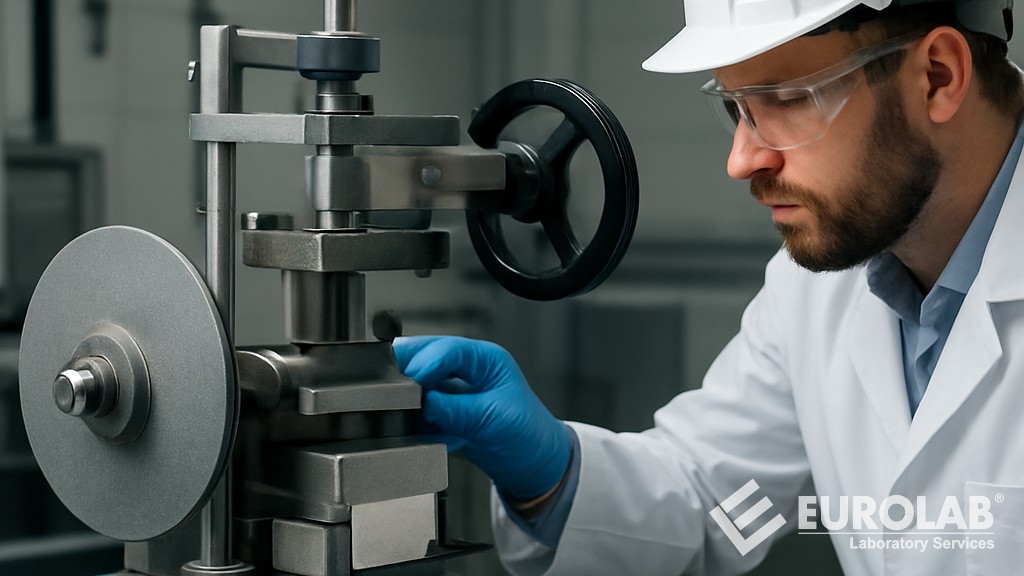
This standard describes how to determine the surface wear (abrasion) of dry and wet paper and cardboard samples using a rotating wear wheel. This simulates the mechanical stress that paper products may be subjected to during handling, printing, packaging, converting, or use. For example, friction against other surfaces, transport on conveyor belts, or repeated contact in daily applications.
This standard applies in particular to:
This method helps manufacturers, converters, and quality control laboratories assess how well a paper surface resists friction without excessive dusting, tearing, scratching, or loss of coating.
This test uses a Taber-type rotary abrasive (typically a Taber abrasive or abrasive wheel tester), a commonly used instrument referenced in many other standards.
The typical setup is as follows:
This standard includes provisions for testing in both dry and wet conditions. This is important because many papers behave differently when moisture is present (e.g., uncoated or lightly sized grades have weaker wet abrasion resistance).
The basic equipment used in the tests is as follows:
This method is very similar to (and is often applied to) the following standards:
Many modern Taber models list compliance with the DIN 53109 standard among their standards.
In the paper industry, good abrasion resistance is critical for:
Low wear values can lead to manufacturing problems, customer complaints, or product failure at the end of use.
In short, the DIN 53109 standard contains a standardized method for determining the abrasion resistance of paper and cardboard using the abrasion wheel method. The main purpose of the standard is to provide a repeatable laboratory procedure to measure how resistant a paper or cardboard sample is to surface abrasion (wear). This is important in industries where paper products are exposed to friction and surface damage during handling, processing, printing, packaging, or end use.
According to these standards, the method is applicable to both dry and moist paper and cardboard substrates, reflecting real-world conditions where materials may be handled at varying moisture levels.
Abrasion resistance is an indicator of the surface durability of paper and cardboard. It helps measure the tendency of the material's surface to wear when subjected to friction. Higher abrasion resistance generally means a more durable surface that will maintain its integrity and appearance through mechanical processing or frictional contact.
The grinding wheel method specified in the DIN 53109 standard follows these steps:
This standard also details calibration, sampling methods, equipment requirements, and reporting formats to ensure consistency among laboratories.
Abrasion resistance is one of many mechanical and surface parameters used in the quality control of paper and cardboard. High abrasion resistance is particularly important for materials used in the following areas:
The DIN 53109 standard defines a common test method, ensuring that manufacturers, testers, and buyers speak the same language when comparing wear performance across products and batches.
While the DIN 53109 standard focuses on wear, other standards cover different paper properties (e.g., tensile strength, hardness, roughness). The DIN 53109 standard specifically defines wear testing for surface abrasion.
In conclusion, the DIN 53109 standard provides a clear and repeatable method for determining how well paper and cardboard resist surface abrasion under friction. This standardized abrasion wheel test supports quality assurance in production, material comparison, and performance specifications for various paper products.
For many years, our organization, with its competent and experienced staff, has been understanding the needs of its clients, providing the advanced testing services they require, and assisting them in the establishment, implementation, and improvement of management systems. Within this framework, we also provide testing services in accordance with the DIN 53109 standard.
To get an appointment, to get more detailed information or to request an evaluation, you can ask us to fill in our form and reach you.

