

The Toyota engineering standard, “TSH1544G Test Method for Resistance to Fingernail Scratch in Paint Film,” describes a specific test method for evaluating the scratch resistance of painted surfaces on automotive interior and exterior components, particularly using fingernail scratching (or fingernail scratch simulation). It is typically referenced in the context of automotive interior parts (e.g., instrument panels, door panels, trim pieces, switches, and piano black gloss surfaces) where the cosmetic appearance must remain intact despite frequent contact.
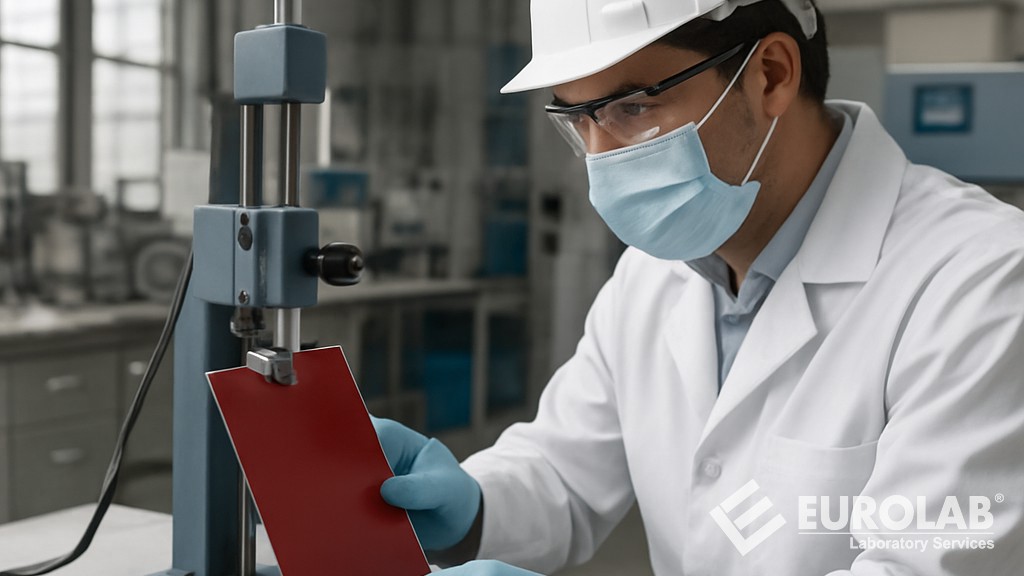
The testing method is based on the principle of a controlled scratching process using a specific tool that mimics the nail, with a certain hardness, shape, and applied force. For evaluation, a visual inspection is performed for visible marks, scratches, or damage to the coating. This method is sometimes used in conjunction with gloss change, color difference (or other measurements). Test conditions include: controlled load/force, number of scratch cycles, angle, and environmental factors (temperature and humidity, if specified).
The aim of this method is to ensure that painted surfaces, especially high-visibility interior coatings, are resistant to daily wear and tear caused by users' fingernails or scratches. The TSH3130G standard, a broader paint quality standard for interior parts where resistance to fingernail scratches is one of the required performance tests, is frequently used as a cross-reference.
This testing method is used by original equipment manufacturers and first and second-tier suppliers.
The TSH1544G standard is part of a broader group of Toyota coating test methods, including the following:
Together, these standards evaluate different aspects of paint performance, including corrosion resistance, environmental durability, stain resistance, and tolerance to mechanical damage.
This standard is also included in global automotive testing lists for the durability of coatings on plastics, metals, and composites.
In recent years, high-gloss piano black and soft-touch interior coatings have become popular, but these are quite susceptible to micro-scratches and fingerprints. The TSH1544G standard helps qualify coatings that claim to be scratch-resistant or anti-scratch. Suppliers of two-component polyurethane or nano-reinforced coatings typically verify their products against this method to meet Toyota requirements.
In short, the TSH1544G standard is a test method developed to determine how resistant a paint film or coating is to fingernail scratching. The test simulates real-life situations where vehicle surfaces, especially interior trim panels, buttons, and painted plastics, are scratched by human fingernails during normal use.
This standard ensures that painted components maintain their appearance, durability, and perceived quality to the customer throughout the vehicle's lifespan.
The main objectives of the TSH1544G standard are as follows:
Since modern vehicles contain many painted plastic components, these types of tests are crucial for maintaining both aesthetics and long-term performance.
The TSH1544G standard generally applies to the following:
This method is frequently referenced in other Toyota coating standards. For example, some Toyota paint performance specifications require the assessment of fingernail scratch resistance according to the TSH1544G standard as part of the overall durability testing process.
The TSH1544G standard test method simulates a fingernail scratching a painted surface under controlled conditions. The main steps of this method are as follows:
The TSH1544G standard plays a significant role in the development and validation of automotive paints, particularly for interior surfaces. This standard assists manufacturers in the following areas:
Toyota verifies coatings with standardized scratch tests, ensuring vehicle surfaces remain attractive and durable even after years of use.
In conclusion, the TSH1544G standard is a key Toyota internal testing standard that measures the scratch resistance of paint films used on automotive components. This method ensures that coatings used on vehicles maintain their appearance, durability, and quality throughout normal use by simulating everyday fingernail contact.
This standard is a critical part of Toyota’s coating validation framework and helps engineers develop surfaces that are both visually appealing and wear-resistant.
For many years, our organization, with its competent and experienced team, has been understanding the needs of its clients, providing the advanced testing services they require, and assisting in the establishment, implementation, and improvement of management systems. Within this framework, we also provide testing services compliant with the TSH1544G standard to businesses.
To get an appointment, to get more detailed information or to request an evaluation, you can ask us to fill in our form and reach you.

