
ISO 1817 Rubber, Vulcanized or Thermoplastic - Determination of the Effect of Liquids

ISO 1817 Rubber, Vulcanized or Thermoplastic - Determination of the Effect of Liquids

The ISO 1817 standard, “Rubber, vulcanized or thermoplastic – Determination of the effect of liquids,” published by the International Organization for Standardization (ISO) , describes methods for evaluating the resistance of vulcanized and thermoplastic rubbers to the effect of liquids by measuring their properties before and after immersion in test liquids. These liquids include readily available service fluids such as petroleum derivatives, organic solvents, and chemical reagents, as well as reference test fluids.
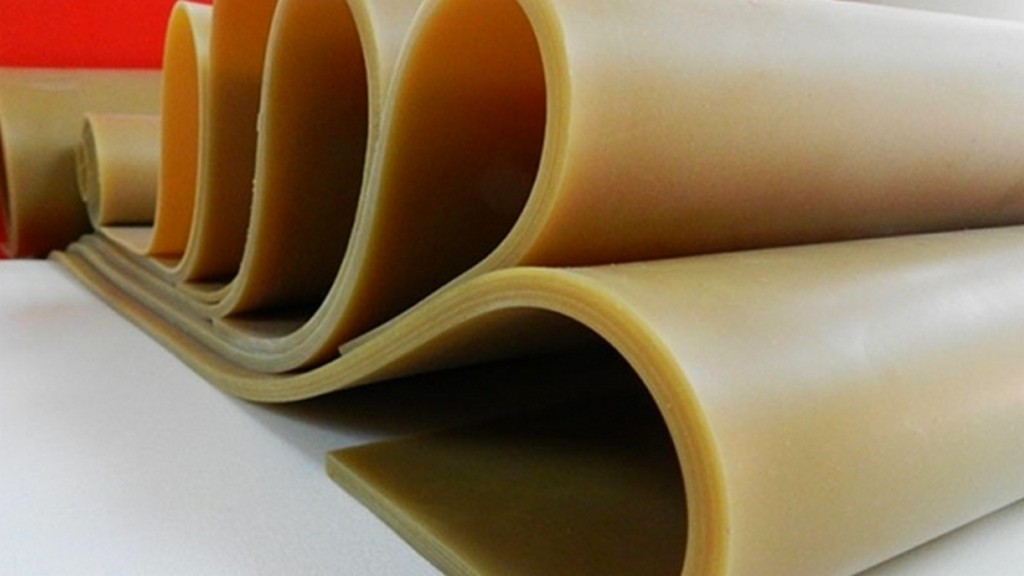
ISO 1817 Rubber, Vulcanized or Thermoplastic - Determination of the Effect of Liquids

The ISO 1817 standard is an international standard that defines a test method for determining the effects of liquids on vulcanized rubber and thermoplastic rubber. This standard is crucial in industries where rubber components are exposed to oils, fuels, water, and various chemical solutions. The performance of rubber materials in liquid environments directly affects their durability, safety, and functionality.

The ISO 1817 standard defines procedures for evaluating changes in the physical properties of rubber when immersed in liquids. These properties include:

  • Volume change
  • Mass change
  • Hardness change
  • Changes in mechanical properties (such as tensile strength and elongation)

This standard is used for quality control, product development and material comparison purposes.

The ISO 1817 standard test method includes:

  • Sample preparation: Standard rubber samples are prepared according to specific dimensions and physical properties.
  • Immersion: Samples are immersed in a specific liquid (e.g., oil, water, fuel, or chemical solutions) at a controlled temperature and for a defined period of time.
  • After immersion, the following measurements are made:
    • Volume and mass before and after immersion
    • Hardness test (usually Shore A)
    • Tensile strength and elongation testing if necessary
  • Calculating changes: Changes are expressed as percentages to quantify the material's resistance to liquid exposure.

Common types of liquids used in tests include:

  • Mineral oils
  • Hydraulic fluids
  • Fuel types (gasoline, diesel)
  • Water and salt water
  • Detergents and cleaning agents
  • Organic solvents and alcohols

During testing, samples are completely immersed in a test liquid (e.g., oil, fuel, water, chemical solution). This process is conducted under controlled conditions. The temperature is typically 23°C, 40°C, 70°C, or 100°C, depending on the test requirements. The test duration can typically be 24 hours, 72 hours, or longer (up to 168 hours or more). The container must be sealed to prevent evaporation or contamination.

After immersion, samples are removed from the liquid. They are gently wiped or blotted to remove excess liquid. They are conditioned at room temperature for a specified recovery time (typically 30 minutes to 1 hour).

Post-exposure measurements include:

  • Mass change: Mass is measured using a precision balance before and after immersion and the mass change is calculated as a percentage.
  • Change in volume or dimensions: Volume change is determined by dimension measurement (length, width, thickness) or displacement method, and volume change is calculated as a percentage.
  • Hardness change: Hardness is measured using Shore A (or other scales, if available). The difference in Shore hardness is reported before and after the test.
  • Mechanical properties (optional): Tensile strength and elongation at break are tested according to ISO 37 standard.

These properties are compared before and after exposure to assess degradation.

The ISO 1817 standard is a fundamental standard for materials testing, particularly for industries using rubber components exposed to liquids. This standard is considered important for the following reasons:

  • Ensures material compatibility: Rubber components such as seals, hoses, and membranes frequently come into contact with oils, fuels, water, and various chemicals. This standard helps determine whether a particular rubber formulation is suitable for use with a particular fluid. This prevents premature failure due to swelling, degradation, or loss of mechanical properties.
  • Supports safety and reliability: Components that deteriorate when exposed to certain fluids can lead to dangerous failures in critical systems, such as fuel lines in vehicles or seals in hydraulic systems. Testing according to ISO 1817 ensures that materials maintain their integrity and function safely over time.
  • Simplifies quality control and product development: Manufacturers use ISO 1817 during quality control processes to verify that each batch of rubber material meets specified performance standards. It's also valuable in research and development when comparing new formulations or selecting materials for fluid resistance.
  • Provides a standardized test method: This standard ensures consistency in test results using a globally recognized and reproducible method. This is important when materials are sourced, tested, or specified across international supply chains and industries.
  • Increases durability and performance: Understanding how rubber behaves when immersed in various liquids allows designers and engineers to select materials that maintain mechanical strength, flexibility, and dimensional stability, ultimately leading to longer-lasting products.
  • Critical to compliance and specification: The ISO 1817 standard is frequently referenced in technical specifications, industry regulations, and procurement requirements. Compliance with this standard ensures alignment with industry best practices and can be crucial for certifications or contractual obligations.

Ultimately, the importance of this standard lies in its ability to provide reliable data on the chemical resistance of rubber materials. This ensures that products perform safely and effectively under real-world conditions, especially where contact with aggressive liquids is unavoidable. Whether for safety, quality assurance, or material selection, the ISO 1817 standard is an essential tool for many industries.

Our organization, which has been supporting businesses across all sectors for years through a wide range of testing, measurement, analysis, and evaluation activities, has a strong team of employees who closely follow global developments in science and technology and are constantly improving themselves. In this context, we also provide testing services in accordance with the ISO 1817 "Rubber, vulcanized or thermoplastic - Determination of the effects of liquids."

WhatsApp

