

Methyl methacrylate is obtained by a process based primarily on the reaction of acetone with hydrogen cyanide. This compound is an important monomer used in the production of acrylic sheet, molding powders and resins, and surface coatings.
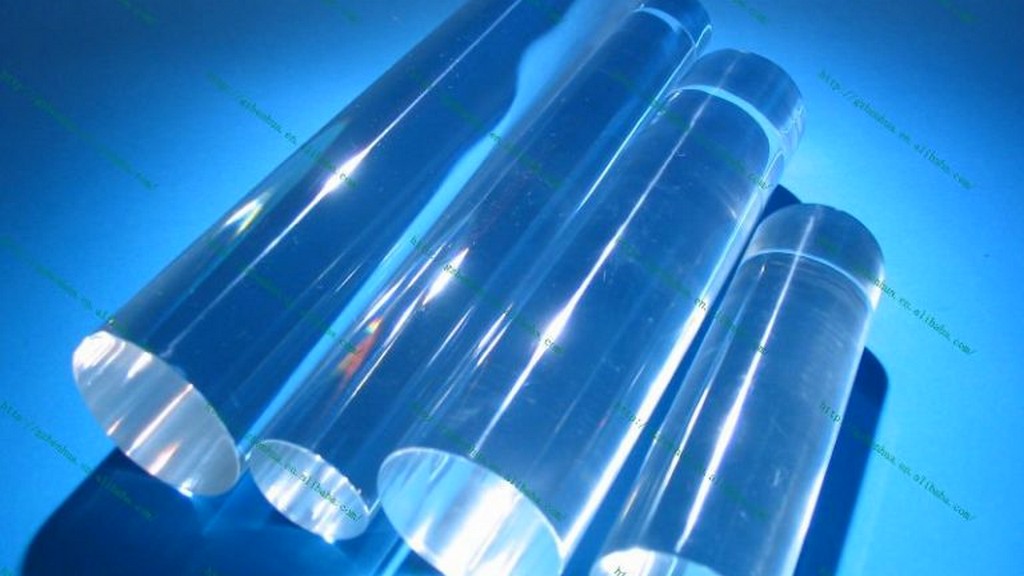
Methyl methacrylate, methacrylic acid, and other methacrylates polymerize readily to form long-chain homopolymers and copolymers. Methyl methacrylate monomer is the most important commercial ester of methacrylic acid. Acrylic sheets made by casting, molding, or extruding polymethyl methacrylate or modified polymers are the largest application for methyl methacrylate. Cast sheets, for example, used for safety glass, panels, and lighting, are the primary types of sheets produced. Polymethyl methacrylate resins are also used to make molded and extruded products that require resins with good optical clarity and stability, such as plumbing fixtures and outdoor lighting. Methyl methacrylate/butadiene/styrene resins are increasingly being produced for use as impact modifiers for clear rigid polyvinyl chloride, particularly in bottle making.
Methyl methacrylate polymers and copolymers are used in waterborne, solventborne, and insoluble coatings. Exterior latex paints based on emulsions containing methyl methacrylate are the most common surface coatings for which the monomer is used. Solvent-reducible polymers containing methyl methacrylate are used for industrial surfaces, metal and foil coatings, and a variety of special-purpose coatings. Solvent and emulsion polymers containing methacrylate are also used in adhesives, sealants, leather coatings, paper coatings, inks, floor polishes, and textile finishes. Engineering adhesives are insoluble, liquid, reactive, durable adhesives used to bond durable substrates and consist primarily of methyl methacrylate monomer combined with polymethyl methacrylate and other polymers.
Occupational exposures occur during its manufacture and use in polymers, as a component of surgical bone cement, in the fabrication of prosthetics, and in the preparation of artificial nails.
Industries where exposure to methyl methacrylate may occur include: monomer production, polymer production and plastics manufacturing, thermoplastic processing, plastic cutting, hospitals, and dental clinics. Occupations with potential exposure to methyl methacrylate include: chemical process operator, surgeon and surgical assistant, operating room nurse, dental technician and hygienist, and synthetic nail technician. Most exposure data have been obtained from the chemical industry during the production or use of the monomer as a chemical intermediate in the production of acrylic plastics and polymers, and from dental clinics and laboratories during the manufacture and repair of dentures.
Due to the high level of concern for food safety, there is a focus on residual organic solvents in food packaging. Material testing for containers and food packaging materials, performed in advanced laboratories, is subject to certain standards. These standards generally cover synthetic resins, primarily polymethyl methacrylate, where the base polymer consists of at least 50 percent methyl methacrylate. Polymethyl methacrylate is primarily used in table products because of its high transparency, good weather resistance, and excellent processability.
A separate leak test standard exists for the monomer polymethyl methacrylate, methyl methacrylate. Polymethyl methacrylate is used primarily in chopsticks, drinking glasses, soy sauce dispensers, and similar tableware. A separate food packaging standard has been published for the monomer methyl methacrylate.
In the test method for methyl methacrylate in plastics where the main component is polymethyl methacrylate, GC/FID (gas chromatography - flame ionization detector) is used to measure the amount of methyl methacrylate leached from a sample immersed in a 20 percent aqueous ethanol solution. In the leaching test, the peak area value of methyl methacrylate in the test solution should not exceed the peak area value obtained from the analysis of a 15 pg/mL methyl methacrylate standard solution.
Among the numerous testing, measurement, analysis and evaluation studies carried out for businesses in various sectors, our organization also provides methyl methacrylate analysis services with its trained and expert staff and advanced technological equipment.
To get an appointment, to get more detailed information or to request an evaluation, you can ask us to fill in our form and reach you.

