SES N 3232 Synthetic Rubber Materials
Developed by Suzuki Motor Corporation as part of its standards for rubber and elastomer materials, the “SES N 3232 Synthetic Rubber Materials” standard is an automotive material standard that defines the requirements, classification, and testing of synthetic rubber (elastomer) materials used in vehicle components (e.g., gaskets, hoses, seals, and vibration damping parts).
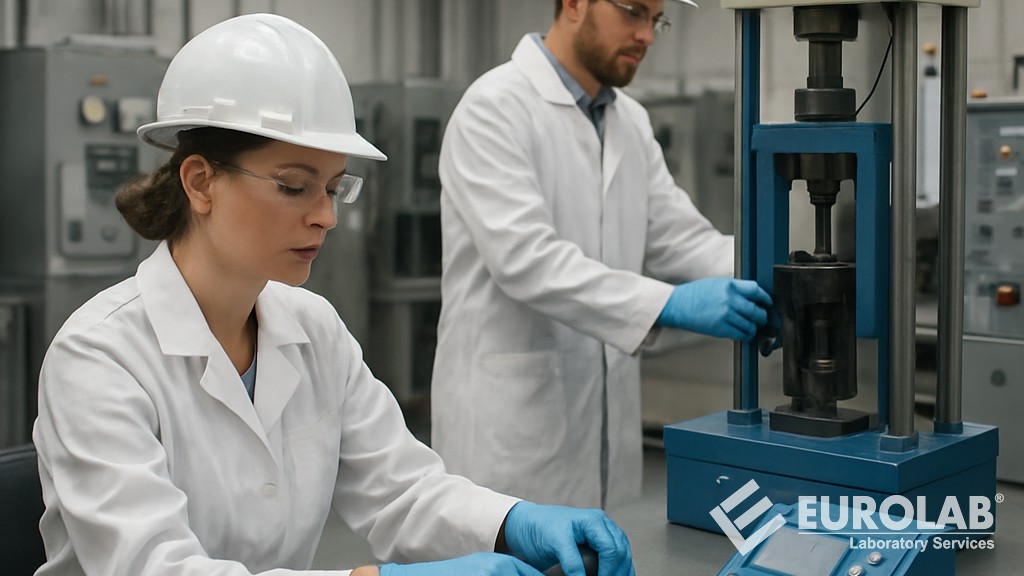
This standard generally applies to synthetic rubber materials. For example, ethylene propylene diene monomer (EPDM), nitrile butadiene rubber (NBR), styrene butadiene rubber (SBR), cold-rolled rubber (CR), and silicone.
These materials are commonly used in automotive parts that are exposed to the following:
- Heat
- Oils and fuels
- Exposure to weather conditions (UV, ozone)
- Mechanical stress
Synthetic rubbers are petroleum-based elastomers commonly used in automotive systems. Common types include:
- Nitrile butadiene rubber (NBR): Oil and fuel resistant.
- Ethylene propylene diene monomer (EPDM): Resistant to weathering and ozone.
- Styrene butadiene rubber (SBR): General purpose.
- Cold-rolled (CR) (chloroprene/neoprene): Chemical and flame resistant.
- Silicone rubber: High-temperature applications
Synthetic rubber dominates many automotive applications due to its durability and performance advantages.
The SES N 3232 standard defines the following performance criteria:
- Mechanical properties:
- Tensile strength
- Elongation at break
- Hardness (Shore A)
- Thermal resistance:
- High/low temperature performance
- Aging behavior
- Chemical resistance:
- Oils, fuels, coolants, brake fluids
- Environmental resistance:
- Ozone depletion
- UV/weather resistance
- Water absorption
- Permanent compression deformation:
- Ability to maintain leak tightness over time
The SES N 3232 standard provides uniform test methods, including:
- Heat aging tests
- Oil immersion tests
- Ozone resistance tests
- Compression permanent deformation tests
- Hardness and tensile tests
Standardized rubber testing is critical to ensuring consistent quality and comparable results among suppliers.
Synthetic rubber materials are widely used in the automotive industry because they combine flexibility, durability, and resistance to heat, chemicals, and weathering. Their use is not only related to where they are applied, but also to how they are selected and designed for specific functions.
The use of synthetic rubber materials in the automotive industry is as follows:
- Sealing applications (leak prevention): Synthetic rubber is primarily used to create tight and durable seals. It is molded into O-rings, gaskets, and sealing elements. It is designed with precise hardness (Shore A) and flexibility. It is installed at connection points where leak prevention is required. Examples include engine gaskets, fuel injector gaskets, and transmission gaskets. Materials such as EPDM and NBR are selected depending on the exposure situation (water versus oil).
- Hose systems (liquid transport): Rubber hoses transport liquids under varying pressure and temperature conditions. They are produced by extrusion into multi-layered hoses. They are reinforced with textile or metal braiding. They are formulated for chemical compatibility. For example,
- Fuel hoses: NBR (fuel resistant)
- Cooling hoses: EPDM (heat and water resistant)
- Turbo hoses: silicone rubber (high temperature)
- Vibration and noise control (NVH): Synthetic rubber absorbs vibrations and reduces noise. It is designed as bushings and connecting elements. It is adjusted for stiffness and damping properties. For example, engine mounting elements, suspension bushings, and exhaust hangers. It helps to improve ride comfort and vehicle durability.
- Weather protection (external protection): Protects the vehicle interior from environmental conditions. Produced by extrusion in long profiles. Designed for flexibility and UV resistance. Examples include door seals, window trims, and sunroof seals. EPDM rubber is widely used due to its excellent ozone and UV resistance.
- Electrical insulation: Rubber materials act as insulators in electrical systems. They are coated around wires and connectors. They are designed for dielectric strength and heat resistance. Examples include cable insulation and spark plug casings.
- Tire manufacturing: This is one of the largest applications of synthetic rubber. It is mixed with natural rubber and optimized for grip, abrasion resistance, and rolling resistance. For example, in tire tread compounds (SBR, BR) and sidewalls.
- High-temperature components: Some applications require extreme heat resistance. They are produced with special formulations (e.g., silicone rubber). They retain their elasticity even at very high temperatures. Examples include turbocharger hoses and engine bay gaskets.
The selection of the right synthetic rubber depends on the following factors:
- Temperature range (e.g., minus 40 degrees to 200 degrees)
- Chemical exposure (oil, fuel, coolant)
- Mechanical stress (compression, vibration)
- Environmental conditions (UV, ozone, humidity)
The SES N 3232 standard guides this selection by providing the following definitions:
- Material classes
- Performance limits
- Test methods
In conclusion, the SES N 3232 standard is considered important because it standardizes synthetic rubber materials, thereby providing the following:
- High performance under challenging conditions.
- Long-term durability and reliability
- Security-critical functionality.
- Consistent quality among global suppliers.
This standard is essential for safety, comfort, and long-term durability in modern vehicles.
For many years, our organization, with its competent and experienced team, has been understanding the needs of its clients, providing the advanced testing services they require, and assisting them in the establishment, implementation, and improvement of management systems. Within this framework, we also provide testing services compliant with the SES N 3232 standard.



