

The ASTM C117-13 standard, developed by the American Testing and Materials Organization (ASTM), provides a test method for determining the amount of material in the aggregate, which is 75 µm in size and finer than No 200 sieve, by washing.
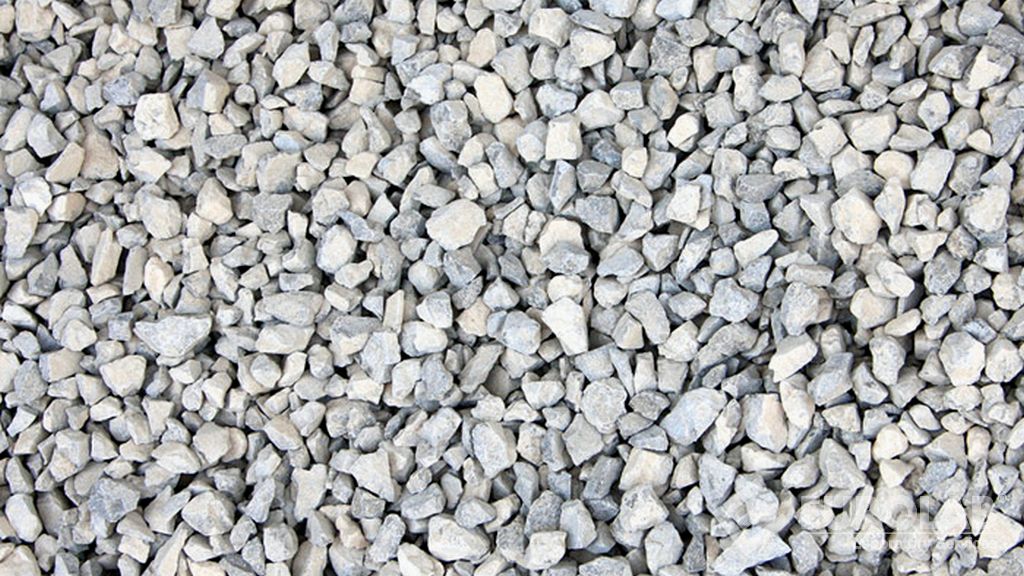
During this test, water-soluble materials are also removed from the aggregate, along with the clay particles and other aggregate particles dispersed by the wash water.
There are two different test procedures in the ASTM C117-13 standard:
Unless otherwise stated, the first procedure, that is, only the water-only procedure, is used in the tests.
Aggregate is the main component of cement concrete and asphalt concrete. All aggregates used for construction are subjected to a number of physical and chemical tests in order to verify their suitability for the intended use.
The production site must be tested to ensure materials meet the relevant standards for a particular application and to determine their appropriate requirements for use. Standards have been established by international organizations especially for aggregate used in construction activities. The ASTM C117-13 standard is one of them.
Aggregate size distribution is important for the various uses of aggregate. In general, aggregates are classified into two sizes: coarse-grained and fine-grained. Fine-grained aggregates are aggregates that pass through the No 200 sieve. It consists of fine aggregate, natural sand, manufactured sand or a combination of these.
All natural aggregates are formed by the disintegration of large rock masses. Rock types and degree of weathering are the main factors affecting the quality of construction aggregate. The type of rock determines the hardness, durability and potential chemical reactivity of the rock when mixed with cement to make concrete.
Among the numerous test, measurement, analysis and evaluation studies it has given for businesses in various sectors, our organization, with its trained and expert staff and advanced technological equipment, within the scope of ASTM C117-13 standard, in mineral aggregates by washing, finer than 75-μm (no 200) sieve. It also provides standard testing services for materials.
To get an appointment, to get more detailed information or to request an evaluation, you can ask us to fill in our form and reach you.

