

The standard “PSA D11 1158 Adhesives - Straight angle peel”, developed by the French automobile company Renault, describes a procedure for characterizing the bond that exists between two flexible supports, regardless of the process used. Transfer from one of the two supports is valid for double-sided or pre-laid adhesives.
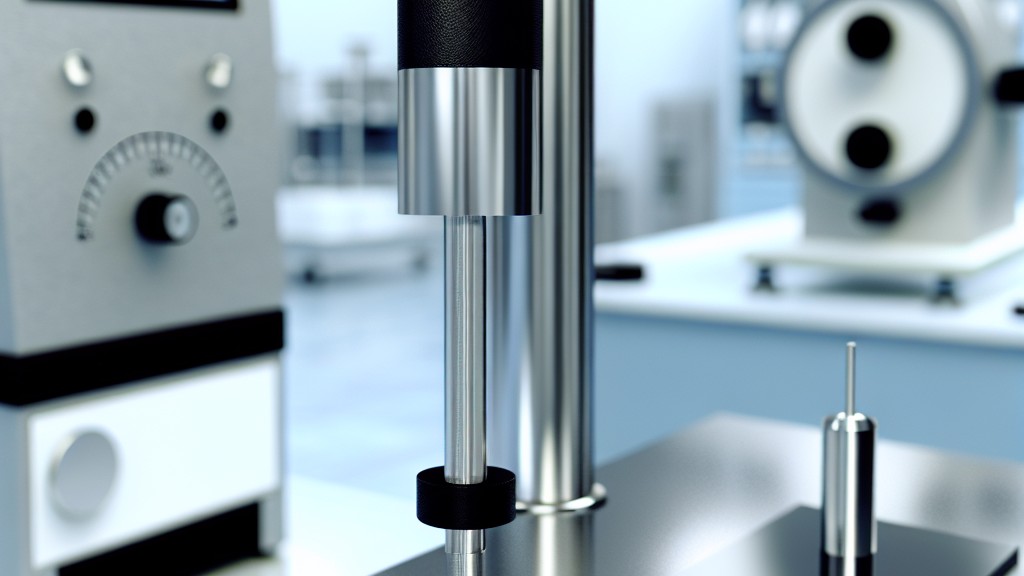
In this test method, in principle, the bond of two flexible materials is characterized by measuring the average force required to separate these two materials by straight angle peeling (180 degrees).
The equipment used in these tests includes:
Test samples should be representative of the size to be characterized. To ensure this representation, it is necessary to find the basic characteristics of the population under study. Selection criteria for test samples should be stated in the test report in accordance with the PSA A10 0156 standard. In case of doubt about sampling, PSA should be contacted for the rules to be followed.
When preparing test samples, at least three test samples are selected for each test condition in the conditioned room, following the following principles:
Then pressure is applied:
During the conditioning process of the sample, the test samples are placed in the conditioned chamber for 24 hours plus/minus 2 hours, unless there is a special provision. Finally, they are subjected to the aging prescribed in the normative standards.
The tests are carried out in a conditioned room. The tensile machine is set to the appropriate sensitivity. The test specimen is placed in the jaws of the tensile machine. Peeling is carried out over a length of 75 mm, corresponding to a displacement between the jaws of 75 mm plus/minus 150 mm = 75 mm. The load-displacement curve of the moving jaw is recorded. For adhesive tests, the additional fracture pattern is noted. The test specimens are placed in natural ageing.
For each test specimen, the average peel force in Newtons is determined over a length of 25 mm after eliminating the part of the load-displacement curve corresponding to the first 50 mm of peeled part:
The values determined in this way on three test specimens are averaged. The results are given as the average peel stress expressed in Newtons per centimeter width of the product. Note the fracture pattern obtained.
Our organization has a strong staff that closely follows the developments in the world in the field of science and technology and constantly improves itself. Among the numerous test, measurement, analysis and evaluation studies provided for businesses in various sectors, there are also test services in accordance with the "PSA D11 1158 Adhesives - Flat angled peel" standard.
To get an appointment, to get more detailed information or to request an evaluation, you can ask us to fill in our form and reach you.

