SES N 3132 Aluminum Alloy Expanded Materials
Developed by Suzuki Motor Corporation as part of aluminum material standards, the “SES N 3132 Aluminum alloy expanded materials” standard specifically references aluminum alloy expanded materials for supplier compliance in material data systems and highlights their regulated uses in manufacturing processes.
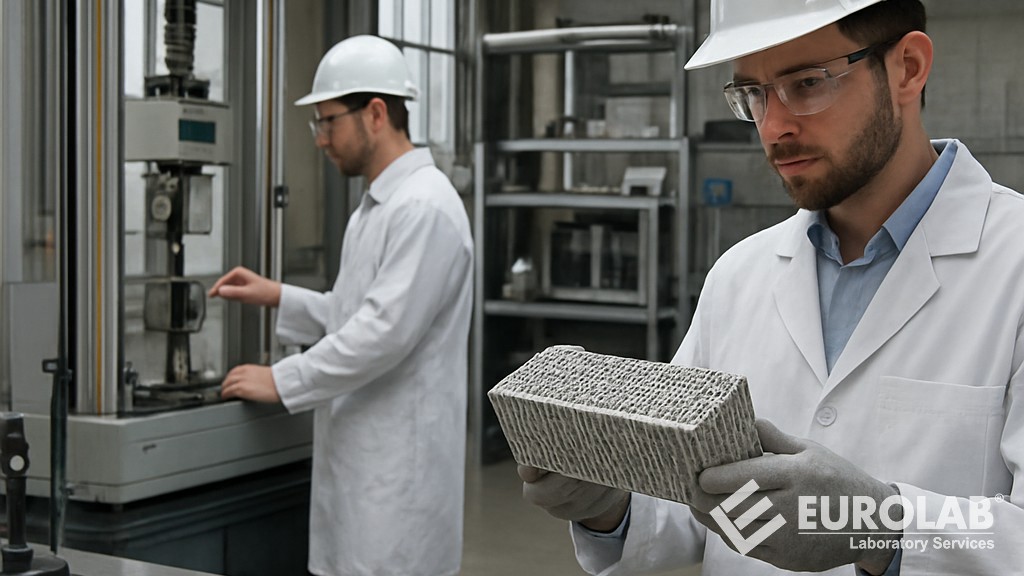
Expanded aluminum is a versatile sheet metal product created by simultaneously slicing and stretching a solid aluminum sheet. This process allows for the creation of a lightweight, rigid network structure that can expand up to three times the original sheet size, forming a uniform pattern of diamond-shaped, hexagonal, or other openings without removing any material.
Common alloys include 3003 (excellent corrosion resistance and formability) and other non-heat-treatable or heat-treatable series suitable for automotive requirements. The mesh is available in raised (standard) or flattened forms with customizable wire thickness, aperture size, and sheet dimensions.
The production process is as follows:
- A flat aluminum sheet is fed into a specially molded press.
- The sheet is precisely sliced in a graduated pattern.
- By being stretched simultaneously, the wires are joined together at the knot points while slits are created in diamond or hexagonal holes.
- Optional smoothing rollers create a smoother surface, while the smoothing process ensures evenness.
- Final steps may include powder coating, anodizing, chrome plating, or black coating for aesthetics and durability.
This zero-waste process makes expanded aluminum cost-effective and sustainable compared to perforated sheets.
Its key features and advantages are as follows:
- Lightweight construction with a high strength-to-weight ratio: Significantly lighter than solid aluminum or steel sheets while maintaining structural integrity.
- Excellent ventilation and airflow: Open space (typically 36-70 percent) allows air, light, and liquids to pass through freely while preventing debris from entering.
- Corrosion resistance: Aluminum's natural oxide layer provides protection against rust, making it ideal for outdoor/exposed vehicle parts.
- Thermal performance: Good heat dissipation and reflectivity make it useful in high-temperature regions.
- Durability and impact resistance: It easily withstands flying rocks, road debris, and vibrations without deformation.
- Aesthetic versatility: Modern diamond, honeycomb, or custom patterns enhance the vehicle's styling.
- Sustainability: Fully recyclable, aligned with automotive weight reduction and circular economy goals.
- Easy to process: Can be cut, shaped, or welded into complex shapes.
These properties make aluminum expanded materials ideal for weight-sensitive applications where traditional solid panels would add unnecessary bulk.
Expanded aluminum materials are widely used in the automotive industry for both functional and decorative purposes.
- Radiator and front grilles: Provide protection against leaves, stones, and debris while maximizing airflow for engine cooling. Common in passenger cars, trucks, and performance vehicles. Powder-coated black or chrome finishes are popular for aftermarket looks.
- Bumper vents and air intakes: Providing ventilation in bumpers and bonnets improves aerodynamics and cooling.
- Speaker grilles: Lightweight, acoustically friendly mesh for indoor or outdoor sound systems.
- Heat shields and exhaust protection: Reflect heat and protect sensitive components (e.g., underbody, exhaust pipes, or battery areas in electric vehicles). Aluminum-coated or embossed variants enhance heat insulation.
- Protective screens and barriers: For engine compartments, underbody panels, or commercial vehicles, to prevent damage while allowing drainage and airflow.
- Ventilation panels: For battery cooling in electric vehicles or equipment ventilation in heavy machinery/tractors.
The benefits of aluminum alloy expanded materials for the automotive industry are as follows:
- Weight reduction: Contributing to a reduction in overall vehicle mass improves fuel efficiency, electric vehicle range, handling, and emissions compliance. Every kilogram saved translates to better performance and secondary savings (such as smaller brakes and suspension).
- Cost efficiency: No material waste in production; easily integrated into existing assembly lines.
- Safety and durability: It maintains structural integrity under impact while providing visibility and airflow.
- Design flexibility: Provides stylish, functional elements that differentiate vehicle models.
- Environmental impact: Supports sustainability goals through recyclability and reduced vehicle weight (lower carbon dioxide emissions over the life cycle).
As industry shifts towards electrification and stricter efficiency standards, demand for such lightweight grids is increasing in grids, battery housings, and thermal management systems.
With the rise of electric and autonomous vehicles, expanded aluminum materials are expected to be used more in thermal management (battery cooling vents) and lightweight structural applications. Advances in alloys and surface treatments further improve performance in challenging environments.
Expanded aluminum is becoming a smart choice for modern automotive design, offering an optimal balance between functionality, aesthetics, and efficiency. Whether according to standards such as SES N 3132 or for aftermarket customization, it continues to play a valuable role in producing lighter, cooler, and sleeker vehicles.
The SES N 3132 standard is a Suzuki engineering standard. This standard specifically covers expanded aluminum sheet used in automotive parts. It defines requirements for aluminum alloy sheets that have been cut and stretched to form a mesh-like structure with diamond, hexagonal, or other openings. This includes:
- Material specifications: Acceptable aluminum alloys (typically 3003-H14 or similar non-heat-treatable grades), chemical composition limits, and mechanical properties.
- Extended geometry: Parameters such as wire thickness, wire width, short design path, long design path, opening dimensions, open area percentage, and tolerances.
- Shapes: Standard expanded (raised) or flattened expanded (smooth) aluminum.
- Surface treatment and finishing: Factory-applied finish, anodizing, powder coating, etc.
- Quality and testing requirements: Dimensional tolerances, flatness, mechanical strength, corrosion resistance, and other automotive-grade tests.
- Marking and identification: How the material should be identified for traceability purposes.
For many years, our organization, with its competent and experienced team, has been understanding the needs of its clients, providing the advanced testing services they require, and assisting them in the establishment, implementation, and improvement of management systems. Within this framework, we also provide testing services compliant with the SES N 3132 standard.



