ISO 14692 Petroleum and Natural Gas Industries - Glass Reinforced Plastic (GRP) Piping
The “ISO 14692 Petroleum and natural gas industries - Glass reinforced plastic (GRP) piping” standard developed by the International Organization for Standardization (ISO) consists of a standard published under the same title.
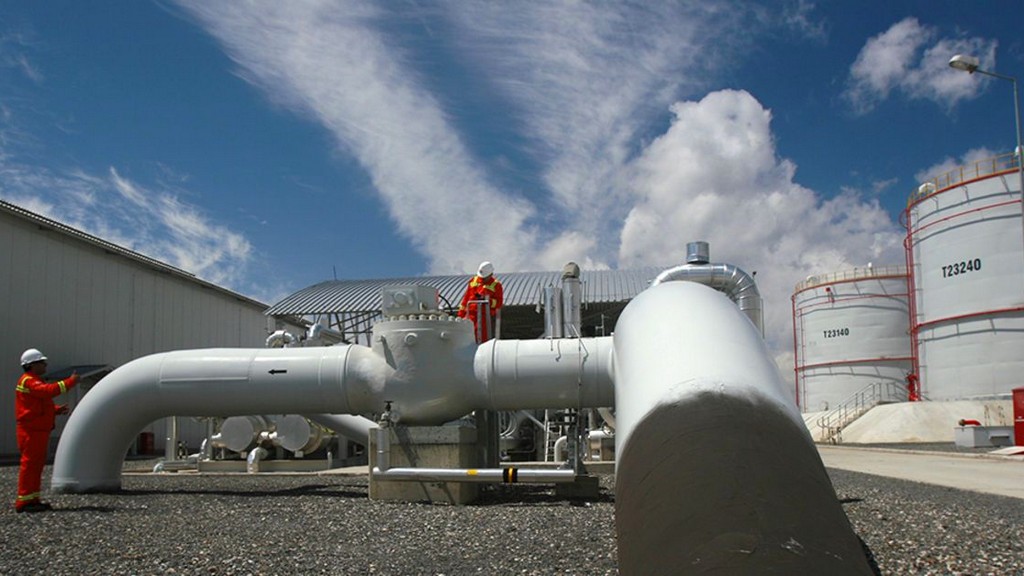
- The standard “ISO 14692-1 Part 1: Vocabulary, symbols, applications and materials” describes the pressure rating methodology, classification of products by application, type of bond and resin matrix, and definitions of limitations for both construction materials and dimensions.
All parts of this standard are applicable to the following types of piping systems:
- Piping systems using connections that can limit axial thrust from internal pressure, temperature change, and fluid hydrodynamic forces
- Glass reinforced plastic piping systems with a trapezoidal shape for the design envelope
This standard is primarily designed for offshore applications in both fixed and floating superstructure installations, but can also be used for the specification, manufacture, testing, and installation of GRP piping systems in other similar onshore applications, such as produced water, fire water systems, and general industrial use. For floating installations, reference is made to the design, construction, and certification standards for the hull or vessel, as these may allow for alternative codes and standards for GRP piping associated with marine or ballast systems. However, it is recommended that all sections of this standard be used to the highest possible degree for such applications. Typical applications relating to the use of glass-reinforced plastic piping and transmission lines in the oil and gas industry are listed in the table included in the standard.
- The standard “ISO 14692-2 Part 2: Qualification and manufacture” describes the requirements for the qualification and manufacture of GRP pipes and fittings to enable the purchase of glass reinforced plastic pipe components with known and consistent properties from any source. This standard applies to qualification procedures, preferred dimensions, quality programs, component marking and documentation. This standard is intended to be considered in conjunction with ISO 14692-1.
- The standard “ISO 14692-3 Part 3: System design” describes guidelines for the design of glass reinforced plastic piping systems. The requirements and recommendations described in this standard apply to layout dimensions, hydraulic design, structural design, detailing, fire resistance, fire propagation and emissions, and control of electrostatic discharge. This standard is intended to be considered in conjunction with ISO 14692-1.
- The standard “ISO 14692-4 Part 4: Manufacture, installation and operation” specifies requirements and recommendations for the manufacture, installation and operation of glass reinforced plastic piping systems for use in processing and utility applications in the oil and gas industry. The recommendations described apply to delivery, inspection, handling, storage, installation, system pressure testing, maintenance, repair and decommissioning. The explanation of pressure terminology used in this standard is intended to be considered in conjunction with ISO 14692-1.
GRP pipes or glass fiber reinforced plastic pipes are composite material pipes composed of a glass fiber reinforced polymer matrix. Such pipes have very high corrosion resistance ability and hence are widely used for low temperature corrosion resistant applications. Recently, glass fiber reinforced plastic pipes are gradually replacing steel in various services such as fire and water services. At the same time, such pipes can withstand high pressures.
The main features of glass fiber reinforced plastic pipes are:
- Corrosion resistance: High corrosion resistance against both internal and external corrosion. As a result, additional primers and external coatings are not necessary.
- When considering the strength per unit of weight ratio, fiberglass composites outperform carbon steel pipes and stainless steel pipes.
- Lightweight: Fiberglass pipes are only one-sixth the weight of steel products and 10 percent the weight of similar concrete products.
- Electrical properties: Standard fiberglass tubing is non-conductive. Some manufacturers offer conductive fiberglass tubing systems for carrying liquids such as jet fuel.
- Dimensional stability: Fiberglass material meets the most stringent material stiffness, dimensional tolerance, weight and cost criteria.
- Low maintenance cost: Fiberglass pipes are easy to maintain as they do not rust, are easily cleaned and require minimal protection from the environment.
Among the numerous testing, measurement, analysis and evaluation studies that our organization has provided for businesses in various sectors, it also provides testing services defined in the “ISO 14692 Petroleum and natural gas industries - glass reinforced plastic (GRP) piping” standard with its trained and expert staff and advanced technological equipment.



